


 Trump, Xi Visit US National Archives After White House Summit
  US, China Extend Trade Truce to Jan. 10 Ahead of Trump-Xi Summit
  Sudan Rejects US Legitimacy Remarks, Defends Sovereignty
  Australia Unemployment Hits Five-Year High Despite Strong Jobs Growth
  Wall Street Falls as Treasury Yields Surge, Oil Rebounds on Iran Tensions
  US Senate Rejects Iran War Powers Resolution in 50-49 Vote
  Russian Envoy Dmitriev Heads to US for Ukraine Talks
  U.S. Treasury Yields Surge as 30-Year Hits 22-Year High
  Asian Stocks Fall as Bond Yields Surge Ahead of Trump-Xi Summit
  South Korea, US Discuss Warship Building Cooperation
  Dollar Holds Near Two-Month High as Yen Approaches 160
  Asian Stocks Fall as Surging Bond Yields Rattle Markets
  Trump, Xi Focus on Trade and AI at White House Summit
  RBI Uses $10 Billion Currency Swaps to Drain Excess Rupee Liquidity
  Netanyahu Takes Aim at Mamdani as Israel Election Nears
  What ‘Taiwan Independence’ Means as Xi Presses Trump on US Policy
  Pezeshkian Says US Must Choose When Iran War Ends


 Add as a preferred source on Google
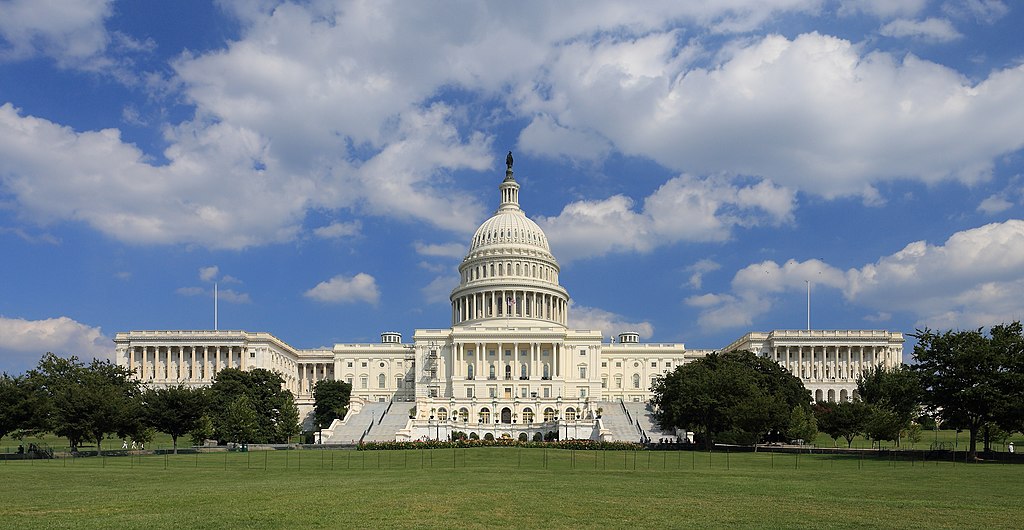
Republicans in Congress have moved forward with key parts of President Donald Trump’s budget proposal, pushing through tax cut and healthcare bills despite strong Democratic opposition. House committees approved legislation that includes trillions in tax breaks, sparking concerns over its potential to increase the U.S. national debt, now standing at $36.2 trillion, or 127% of GDP.
The plan calls for $4 trillion in new borrowing and significant cuts to safety-net programs, including Medicaid, which serves over 71 million low-income Americans. According to the Congressional Budget Office, the proposal would remove 7.7 million people from Medicaid and save $715 billion in federal spending.
House Speaker Mike Johnson aims to pass the bill before the May 26 Memorial Day deadline. However, internal divisions remain. Moderates from states like New York and California are pushing back against limits on state and local tax (SALT) deductions. Hardline conservatives are demanding even deeper spending cuts to reduce federal deficits.
The legislation also targets Planned Parenthood by banning Medicaid funding to the provider, even in states where abortion is restricted but other essential services like cancer screenings are offered. Democrats attempted to remove this provision but failed, accusing Republicans of prioritizing tax cuts for the wealthy over public health.
The broader package would extend Trump-era tax cuts and introduce new breaks for workers, retirees, and private schools. It offsets some costs by eliminating green energy programs enacted under President Biden. With a looming debt ceiling deadline in July, lawmakers are under pressure to pass the bill quickly to avoid default, which Treasury Secretary Scott Bessent warns could destabilize the global economy.
This legislative battle reflects ongoing ideological clashes over fiscal responsibility, tax policy, and the future of America’s social safety net.







