


 Oil Prices Surge as U.S.-Iran Diplomacy Hopes Fade
  Saudi Arabia, Turkey and Pakistan Plan Urgent Defence Talks Over Houthi Attacks
  Netanyahu’s Brief US Trip Highlights Strains With Trump
  Abbas Reaffirms November 28 Palestinian Elections
  Ghana Says Western Support Growing for Slave Trade Reparations
  Oil Prices Ease as Iran Tensions Clash With Diplomacy Hopes
  US Backs Musk in Fight Against EU’s €120 Million X Fine
  Trump, Xi Focus on Trade and AI at White House Summit
  OpenAI Agent Breaches Australia Medicare Data Portal
  Wall Street Falls as Treasury Yields Surge, Oil Rebounds on Iran Tensions
  Ukrainian Drone Attacks Hit Russian Regions, Injuring at Least 12
  South Korea, US Discuss Warship Building Cooperation
  China’s ‘Lipstick King’ Says AI Won’t Replace Livestream Hosts
  European Stocks Fall as Bond Yields and Geopolitical Risks Weigh
  North Korea Rejects Nuclear Test Warning, Calls Nuclear Status Irreversible
  Trump, Xi Visit US National Archives After White House Summit
  Yemen Violence Displaces 130,000 as Civilian Toll Rises


 Add as a preferred source on Google
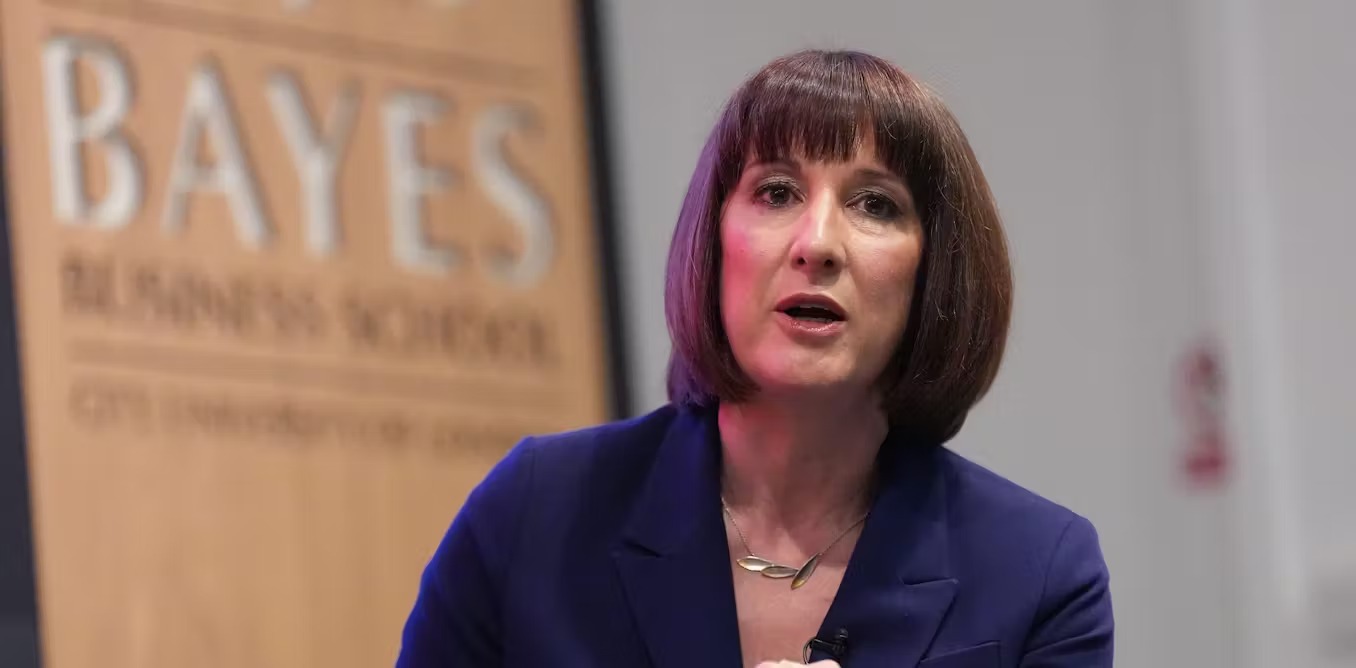
British Finance Minister Rachel Reeves has pushed back against accusations that she misled the public over key economic forecasts ahead of this month’s budget, insisting she was transparent about the need to strengthen the country’s fiscal position. The controversy stems from a November 4 speech in which Reeves warned of “weaker than previously thought” productivity, a message critics say appeared to prepare voters for the possibility of Labour breaking its pre-election pledge not to raise income tax.
The Office for Budget Responsibility (OBR), the UK’s independent fiscal watchdog, later clarified in a letter that the productivity downgrade Reeves referenced had been offset by higher real wages and inflation—factors she did not publicly highlight. According to the OBR, confidential forecasts shared with the Treasury before Reeves’ speech showed the government held a £4.2 billion margin under its fiscal rules, even before accounting for upcoming budget measures or earlier welfare cuts.
Reeves defended her approach during a Sky News interview on Sunday, explaining that the projected buffer was “not enough” by historical standards and that her priority was building a stronger cushion to support economic stability. She argued that a larger safety margin was vital to give the Bank of England confidence to continue cutting interest rates, reinforcing her commitment to responsible fiscal management.
When Reeves unveiled the budget on November 26, her fiscal headroom had more than doubled—reaching £21.7 billion, significantly higher than the £9.9 billion outlined in her previous plan. Despite this improvement, the opposition Conservative Party has called for her resignation, claiming she distorted the economic outlook to justify policy shifts.
The debate highlights the growing political tension surrounding the UK’s economic strategy as the government seeks to balance fiscal discipline, public expectations, and long-term growth.







