


 Saudi Arabia, Turkey and Pakistan Plan Urgent Defence Talks Over Houthi Attacks
  Netanyahu’s Brief US Trip Highlights Strains With Trump
  Sudan Rejects US Legitimacy Remarks, Defends Sovereignty
  Xi Calls for Deeper U.S.-China AI Cooperation in Trump Talks
  Trump, Xi Visit US National Archives After White House Summit
  Netanyahu Defends Israel at UN as Delegates Stage Walkout
  Yemen Violence Displaces 130,000 as Civilian Toll Rises
  Najib Razak Seeks Stay of 15-Year 1MDB Prison Sentence
  Trump, Xi Focus on Trade and AI at White House Summit
  Mexico-US Trade Talks Delayed to October as Tariff Negotiations Continue
  Pezeshkian Says US Must Choose When Iran War Ends
  Trump Asks Supreme Court to Restore Third-Country Deportations
  EU Defence Build-Up Too Slow for 2030 Russia Readiness Goal
  US Senate Rejects Iran War Powers Resolution in 50-49 Vote
  What ‘Taiwan Independence’ Means as Xi Presses Trump on US Policy
  OpenAI Agent Breaches Australia Medicare Data Portal
  Taiwan Thanks US for Support Ahead of Trump-Xi Summit


 Add as a preferred source on Google
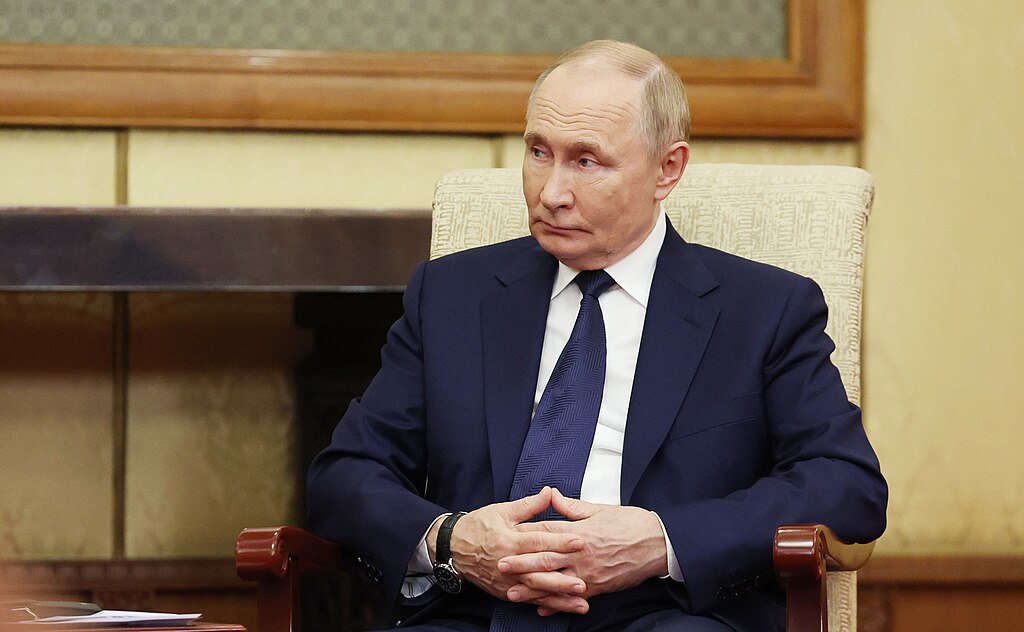
Russian President Vladimir Putin is expected to send a significant signal to the United States and European powers regarding the future of the Ukraine war when he speaks at his annual end-of-year news conference on Friday. The high-profile event, scheduled to begin at 0900 GMT, is closely watched by global leaders and analysts as it may offer insight into whether Russia is open to peace negotiations or prepared for a prolonged conflict.
Russia invaded Ukraine in February 2022 after years of fighting in eastern Ukraine, sparking the largest confrontation between Moscow and the West since the Cold War. Since then, the war has devastated Ukraine, strained European economies, and reshaped global geopolitics. Putin, who has ruled Russia since the end of 1999, will field dozens of questions during the “Results of the Year” event, covering topics ranging from domestic economic pressures to nuclear weapons and what the Kremlin refers to as its “special military operation” in Ukraine.
The speech comes at a critical moment as U.S. President Donald Trump, who has positioned himself as a peacemaker, has repeatedly expressed frustration over the lack of progress in ending the war. European leaders, however, fear that any U.S.-brokered peace deal could undermine Ukraine’s interests and leave Europe bearing the financial burden of reconstruction and security. These concerns have intensified as Russian forces reportedly advanced by 12 to 17 square kilometers per day in 2025.
European Union leaders recently agreed to borrow funds to support Ukraine’s defense for the next two years, avoiding the politically sensitive use of frozen Russian assets. Meanwhile, Putin continues to frame the war as a defining moment in Russia’s relationship with the West, accusing NATO of encroachment following the collapse of the Soviet Union.
An end to the war could potentially reintegrate resource-rich Russia into global markets and allow Washington to focus more on strategic competition with China. However, continued fighting risks further casualties, economic damage, and escalation. U.S. officials estimate that more than two million people have been killed or wounded since the war began, underscoring the immense human cost as the world awaits Putin’s next move.







