


 Sudan Rejects US Legitimacy Remarks, Defends Sovereignty
  South Korea, US Discuss Warship Building Cooperation
  Trump Asks Supreme Court to Restore Third-Country Deportations
  NATO Boosts Intelligence Sharing Amid Russia Hybrid Threats
  Netanyahu’s Brief US Trip Highlights Strains With Trump
  Saudi Arabia, Turkey and Pakistan Plan Urgent Defence Talks Over Houthi Attacks
  France Defends Netanyahu Airspace Clearance Despite ICC Warrant
  Trump, Xi Focus on Trade and AI at White House Summit
  Netanyahu Takes Aim at Mamdani as Israel Election Nears
  Ukrainian Drone Attacks Hit Russian Regions, Injuring at Least 12
  Trump, Xi Visit US National Archives After White House Summit
  Russian Missile and Drone Attack on Kyiv Kills Two, Damages Maternity Hospital
  North Korea Rejects Nuclear Test Warning, Calls Nuclear Status Irreversible
  North Korea Warns South Korea Over US-Led Defense Role
  Yemen Violence Displaces 130,000 as Civilian Toll Rises
  Pezeshkian Says US Must Choose When Iran War Ends
  OpenAI Agent Breaches Australia Medicare Data Portal


 Add as a preferred source on Google
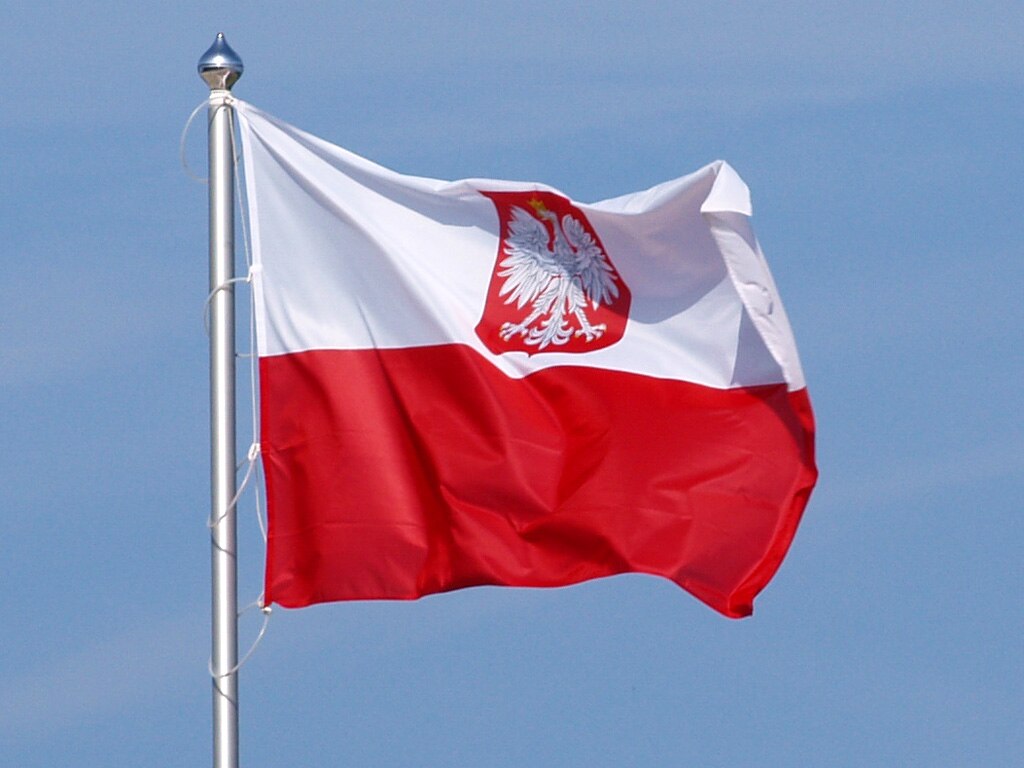
Poland heads to the polls Sunday in a tightly contested presidential runoff that could shape the nation’s future within the European Union. The vote pits pro-European Civic Coalition (KO) candidate Rafal Trzaskowski against nationalist Karol Nawrocki, backed by the conservative Law and Justice (PiS) party.
Although Poland’s parliament holds most legislative power, the president can veto key bills. This makes the outcome critical for Prime Minister Donald Tusk’s centrist government, which took office 18 months ago. With polls showing a razor-thin margin, voter turnout—especially among younger, urban, liberal voters—could tip the scale. High participation in 2023 helped Tusk’s coalition gain power, and Trzaskowski is hoping for a similar boost.
Both candidates support military spending and aid for Ukraine. However, Trzaskowski backs Ukraine’s NATO membership, seeing it as vital for Polish security, while Nawrocki opposes it, fearing it may provoke direct conflict with Russia. Nawrocki prioritizes U.S. relations and recently met former President Donald Trump, drawing inspiration from his MAGA agenda.
Social issues also divide the candidates. Trzaskowski supports liberal reforms, including civil partnerships and easing abortion laws, while Nawrocki upholds Poland’s Catholic traditions and conservative values.
The first-round vote on May 18 revealed growing support for far-right candidates, signaling possible cracks in the KO-PiS political dominance. Nawrocki has leveraged rural discontent, portraying KO as elitist and out of touch. Trzaskowski, meanwhile, promotes a vision of a modern, EU-integrated Poland.
Voting begins at 7 a.m. local time, with exit polls expected at 9 p.m. Final results are anticipated Monday. As the EU’s largest eastern member faces a pivotal decision, the world watches to see whether Poland deepens its Western ties or pivots toward nationalist conservatism.







