


 Trump and Merck KGaA Partner to Slash IVF Drug Costs and Expand Fertility Coverage
  NASA Cuts Boeing Starliner Missions as SpaceX Pulls Ahead
  SpaceX Starship Explodes in Texas During Test, Citing Nitrogen Tank Failure
  Is space worth the cost? Accounting experts say its value can’t be found in spreadsheets
  FDA Lifts REMS Requirement for CAR-T Cell Cancer Therapies
  Trump Administration to Launch Autism Initiatives Targeting Acetaminophen Use and New Treatment Options
  Tabletop particle accelerator could transform medicine and materials science
  Eli Lilly’s Inluriyo Gains FDA Approval for Advanced Breast Cancer Treatment
  Lost in space: MethaneSat failed just as NZ was to take over mission control – here’s what we need to know now
  Cogent Biosciences Soars 120% on Breakthrough Phase 3 Results for Bezuclastinib in GIST Treatment
  NASA Astronauts Wilmore and Williams Recover After Boeing Starliner Delay
  Neuralink Expands Brain Implant Trials with 12 Global Patients
  Trump Signs Executive Order to Boost AI Research in Childhood Cancer


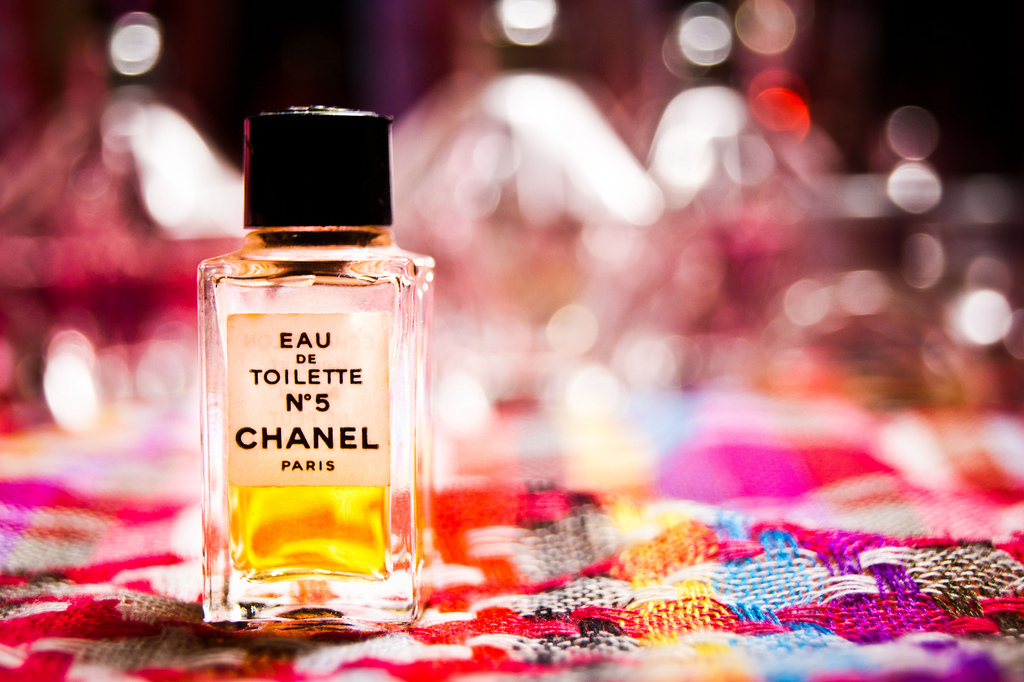
Environmentalists often blame cars for being the biggest contributors to air pollution thanks to the smog coming out of them. However, recent data shows that aerosol chemicals are also huge contributors to making the atmosphere more difficult to breathe in. These include items such as perfumes, hairspray, and cleaning products.
Researchers at the National Oceanic and Atmospheric Administration (NOAA) arrived at this conclusion after looking at the sources of carbon and chemical emissions that are polluting the atmosphere. They concluded that products made out of petroleum are almost as big of a factor as the entire transportation industry.
A press release regarding the study said as much, noting how these products produce higher concentrations of pollutants. This is how they can actually match emissions from vehicles, which burn almost 15 times as much fuel as the chemical aerosols.
The lead author of the study is Brian McDonald of the Chemical Sciences Division at the NOAA. According to him, this sector is fast becoming the biggest problem to deal with in order to curb air pollution.
"As transportation gets cleaner, those other sources become more and more important," McDonald said. "The stuff we use in our everyday lives can impact air pollution."
Due to the close proximity and the chemical makeup of the products being used, they apparently pose more danger to humans than the transport sector. This is because exposure to the pollutants is twice as high in the more concentrated forms.
As Futurism notes, air pollution has been found to have an astonishing number of negative health effects on people. Among them is dementia and stunting the neurological development of children. With pollution from the transport sector in the decline, it’s imperative that other causes should be dealt with, as well. Otherwise, the world could be risking more diseases in the future.













