


 Russian Missile and Drone Attack on Kyiv Kills Two, Damages Maternity Hospital
  South Korea, US Discuss Warship Building Cooperation
  Pezeshkian Says US Must Choose When Iran War Ends
  Saudi Arabia Shuts East-West Oil Pipeline After Drone Attack
  US Backs Musk in Fight Against EU’s €120 Million X Fine
  Australia Tightens Student Visa Rules, Targets Migration Cut by 2028
  Trump Bans CNN, MS NOW and Politico From White House
  FAA Allows Boeing to Sell 35 More 777F Freighters Beyond 2028
  U.S. Imposes New Visa Restrictions Over South Africa Policies
  Najib Razak Seeks Stay of 15-Year 1MDB Prison Sentence
  Kremlin Says No Decision Yet on Putin-Trump December Summit
  Trump, Xi Focus on Trade and AI at White House Summit
  Nvidia-Groq AI Chip Deal Faces U.S. Antitrust Probe
  Trump Asks Supreme Court to Restore Third-Country Deportations
  US Judge Dismisses Imran Ahmed Deportation Lawsuit
  Appeals Court Rejects Trump Third-Country Deportation Policy
  ICE Agent Arrested in Minneapolis Over Venezuelan Man Shooting


 Add as a preferred source on Google
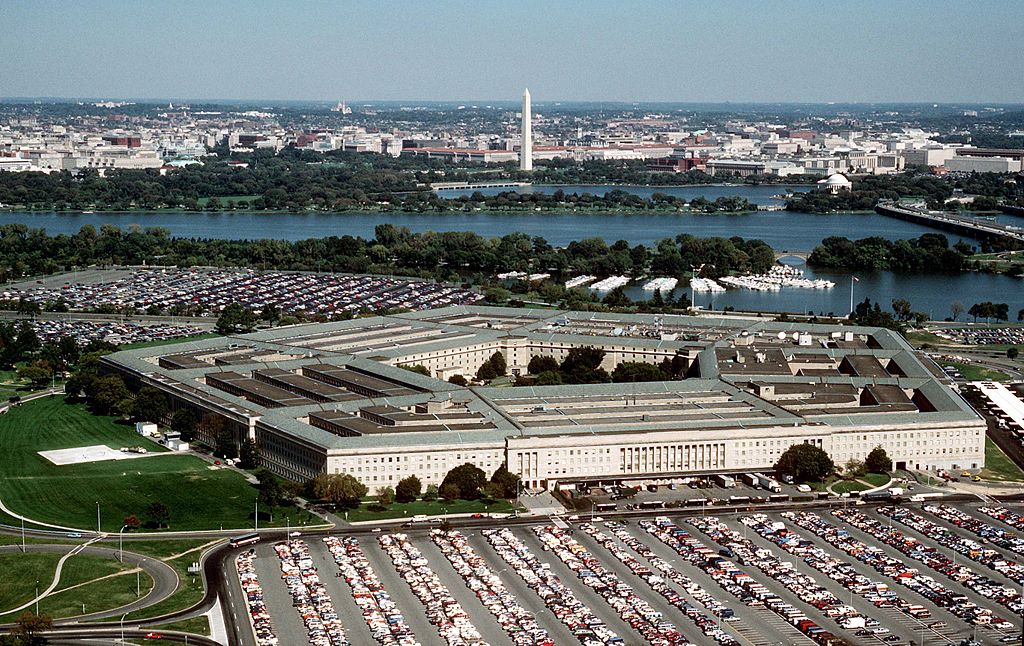
The Pentagon has implemented new restrictions limiting journalist access within its headquarters, marking a significant shift in media policy under President Donald Trump’s renewed administration. Defense Secretary Pete Hegseth announced on Friday that credentialed reporters will now need official escorts to enter most areas of the Department of Defense building in Arlington, Virginia.
The directive, effective immediately, cites the need to safeguard classified national intelligence (CSNI) and operational security. “Unauthorized disclosure of sensitive information could endanger U.S. service members,” Hegseth stated in a memo. Reporters will now require both official approval and an escort to access previously unrestricted areas.
The Pentagon Press Association criticized the move, calling it a “direct attack on press freedom,” and noted that previous administrations—both Republican and Democrat—allowed broader media access even in times of crisis, including after the 9/11 attacks.
Pentagon spokesperson Sean Parnell defended the decision, emphasizing the protection of sensitive data and personnel. In addition to access restrictions, Hegseth’s memo announced that journalists will be issued new credentials identifying them more visibly as press members. Reporters must also formally acknowledge their responsibility to safeguard sensitive information.
Since Trump's return to office in January, the administration has intensified efforts to prevent leaks, including launching internal investigations and placing several officials on administrative leave. A controversial office rotation has also forced major outlets like CNN, NBC News, and The New York Times out of Pentagon offices, making space for conservative-leaning media such as Breitbart and One America News.
The White House has also authorized polygraph testing for Homeland Security officials, warning of possible termination for those refusing tests. The Trump administration continues to underscore its zero-tolerance stance on unauthorized disclosures to the media.







