


 Evan Gershkovich Says FSB Set Trap for 2023 Russia Arrest
  Trump, Xi Focus on Trade and AI at White House Summit
  US Backs Musk in Fight Against EU’s €120 Million X Fine
  Saudi Arabia, Turkey and Pakistan Plan Urgent Defence Talks Over Houthi Attacks
  Putin Says Ukraine Peace Proposals Remain on Table
  EU Defence Build-Up Too Slow for 2030 Russia Readiness Goal
  US Comfortable With Canada Trade Standoff as Import Bans Loom
  France Defends Netanyahu Airspace Clearance Despite ICC Warrant
  Trump Warns China Against Supporting Iran in Xi Talks
  North Korea Warns South Korea Over US-Led Defense Role
  Netanyahu Defends Israel at UN as Delegates Stage Walkout
  Xi Calls for Deeper U.S.-China AI Cooperation in Trump Talks
  Trump, Xi Visit US National Archives After White House Summit
  Pope Leo Backs Press Freedom After White House Media Ban
  Netanyahu’s Brief US Trip Highlights Strains With Trump
  Yemen Violence Displaces 130,000 as Civilian Toll Rises


 Add as a preferred source on Google
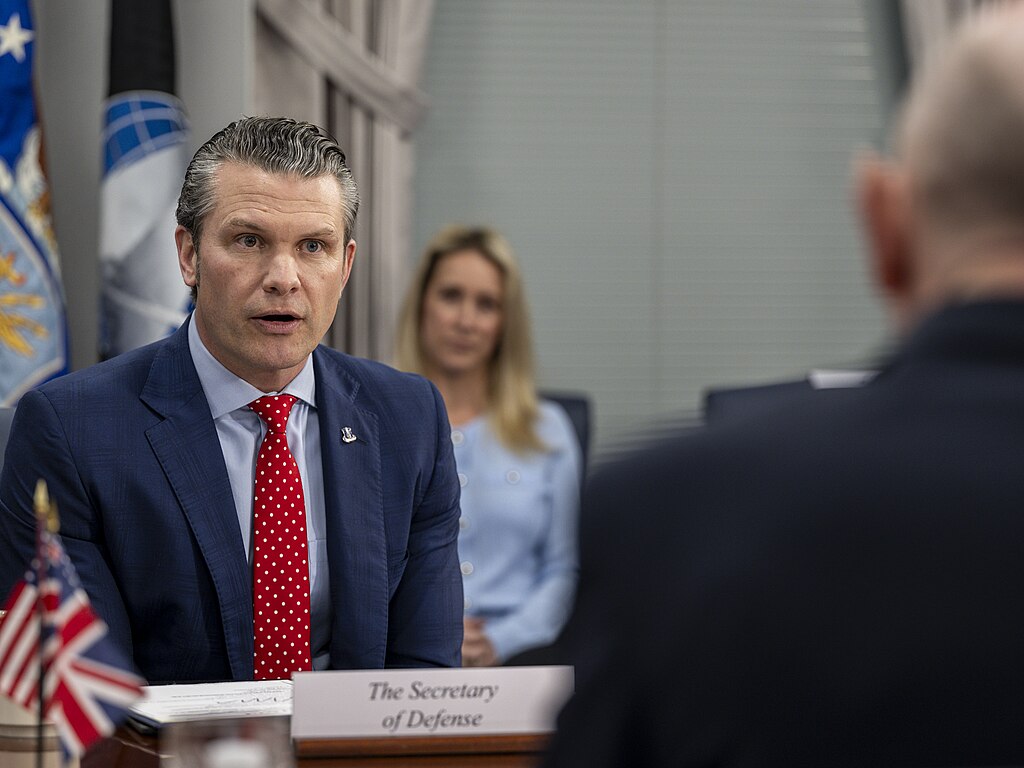
The Pentagon announced the creation of a new counter-narcotics joint task force focused on operations in Latin America, marking a major escalation in U.S. military efforts against drug trafficking. Defense Secretary Pete Hegseth stated that the initiative aims “to crush the cartels, stop the poison, and keep America safe,” underscoring a renewed military commitment to disrupt illicit drug routes before they reach U.S. shores.
Led by the II Marine Expeditionary Force (II MEF) based at Camp Lejeune, North Carolina, the task force will operate under the U.S. Southern Command (SOUTHCOM). Admiral Alvin Holsey, commander of SOUTHCOM, explained that this new structure will “synchronize and augment counter-narcotics efforts across the Western Hemisphere,” enhancing the ability to detect and dismantle trafficking networks in collaboration with partner nations.
Since the launch of intensified operations, U.S. forces have targeted suspected drug boats in the Caribbean, destroying at least four vessels and killing 21 people. Marine Lieutenant General Calvert Worth, who will head the task force, emphasized the maritime nature of the mission, focusing on “maritime patrols, aerial surveillance, precision interdictions, and intelligence sharing” to safeguard communities at home.
However, these aggressive actions have sparked criticism from legal experts and Democratic lawmakers. Many question the legality of lethal strikes on suspected traffickers without transparent evidence or adherence to international law. Critics argue that the administration’s justification under the “law of war” remains insufficient, as lethal force should only be a last resort after non-lethal measures are attempted.
A recent Pentagon document to Congress revealed that President Donald Trump has declared the U.S. to be engaged in a “non-international armed conflict” with drug cartels—an unprecedented legal stance that expands presidential authority to use military force in anti-drug operations.







