


 US Northeast Airports Resume Operations After Telecom Outage Disrupts Thousands of Flights
  China Reviews Broadcom Switch Use in State Data Centres
  CNN, MS NOW and Politico Sue Trump Over White House Media Ban
  Prysmian, Rio Tinto Supply Low-Carbon Cables for Amazon Ohio Data Center
  SpaceX Nasdaq 100 Weight to More Than Double in Rebalance
  Guterres Urges Stronger Global AI Safeguards Ahead of UN Assembly
  Cathie Wood Backs AI Slowdown as Safety Concerns Grow
  US Federal Register Drops Alibaba Qwen AI Search Tool
  Apple Pay Set for India Launch With Axis Bank
  FAA Allows Boeing to Sell 35 More 777F Freighters Beyond 2028
  Trump Bans CNN, MS NOW and Politico From White House
  MediaTek Unveils 2nm Dimensity 9600 Pro AI Chip
  OpenAI Urges US-Led Global Standards for Frontier AI
  Hyundai CEO Warns Chinese Automakers Could Disrupt US Market
  Scott Bessent Eyed as Trump’s New AI Czar
  Paramount Skydance Faces $30 Million Film Penalty in Warner Bros. Deal
  Petrobras Joins Brazil’s New Diesel Subsidy Program


 Add as a preferred source on Google
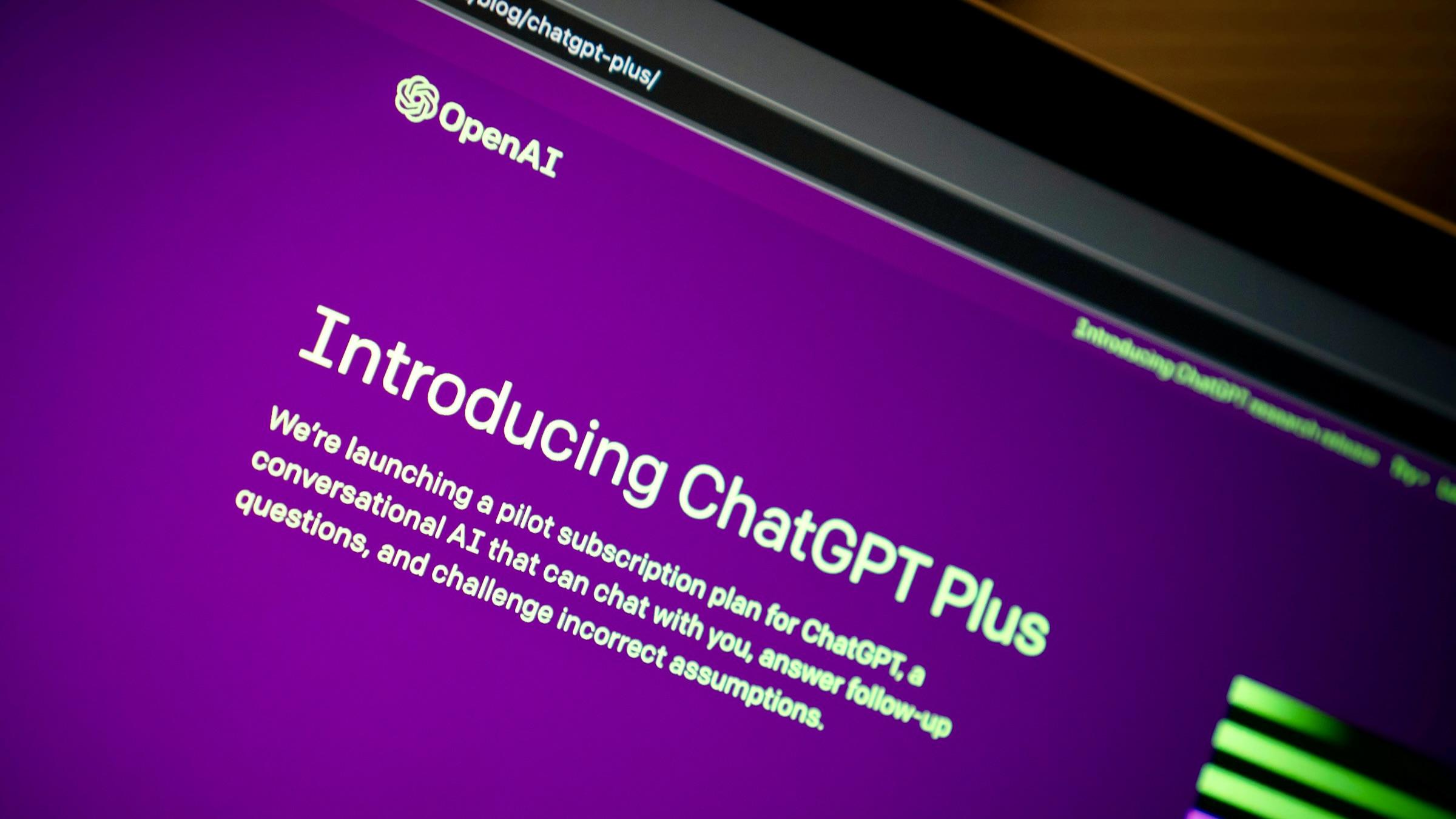
OpenAI has launched its o1 model, part of the innovative Strawberry project, designed to enhance reasoning in AI. The o1 model surpasses previous versions, outperforming human PhDs in math and science, and delivering remarkable results in programming tasks.
OpenAI Unveils o1 and o1-mini Models
On Thursday, OpenAI, which has backing from Microsoft, announced the release of its "Strawberry" line of artificial intelligence models. These models are built to spend more time processing query replies in order to tackle challenging challenges.
The models, which were first reported by Reuters, can answer more difficult issues in science, coding, and arithmetic than earlier models, according to the AI firm's blog post.
o1 and o1-mini Unveiled as Part of Strawberry Project
Inside the company, OpenAI referred to the project as Strawberry, while the models that were unveiled on Thursday were called o1 and o1-mini. The business said on Thursday that the o1 will be accessible through ChatGPT and its API.
One of OpenAI's researchers, Noam Brown, who worked on ways to improve the models' reasoning, verified in an X post that the models were identical to the Strawberry project.
The o1 model outperformed its predecessor, GPT-4o, by 83% on the International Mathematics Olympiad qualification test, according to OpenAI's blog post.
AI Model Surpasses PhDs in Science and Coding Competitions
The business also boasted that the model outperformed humans with PhD degrees on a standard set of scientific challenges and increased performance on competitive programming questions.
According to Brown, the models achieved these results by using a method called "chain-of-thought" reasoning. This method entails dividing complicated problems into smaller, more manageable parts.
AI Now Automatically Deconstructs Complex Problems
Scientists have shown that using the method as a prompting tactic helps artificial intelligence models perform better on complicated challenges. Thanks to OpenAI's automation, models can now deconstruct problems automatically without any input from the user.
"We trained these models to spend more time thinking through problems before they respond, much like a person would. Through training, they learn to refine their thinking process, try different strategies, and recognize their mistakes," as stated by OpenAI.







