


 Wall Street Falls as Treasury Yields Surge, Oil Rebounds on Iran Tensions
  Oil Prices Surge as U.S.-Iran Diplomacy Hopes Fade
  Gold Prices Fall as Treasury Yields Rise on Fed Rate Hike Bets
  Fed Unveils Stablecoin Rules Under GENIUS Act
  South Korea, US Discuss Warship Building Cooperation
  Mexico-US Trade Talks Delayed to October as Tariff Negotiations Continue
  Oil Prices Jump 3% as Houthi Attack Revives Supply Fears
  US 10-Year Treasury Yield at 6% Emerges as New Market Risk Threshold
  Soybean Futures Slip as Traders Await Trump-Xi Trade Signals
  US, China Extend Trade Truce to Jan. 10 Ahead of Trump-Xi Summit
  Dollar Holds Near Two-Month High as Yen Approaches 160
  Australia Unemployment Hits Five-Year High Despite Strong Jobs Growth
  China’s ‘Lipstick King’ Says AI Won’t Replace Livestream Hosts
  Asian Stocks Fall as Bond Yields Surge Ahead of Trump-Xi Summit
  Gold Holds Near $4,275 as Rising Treasury Yields Fuel Fed Rate Hike Bets
  US Stock Futures Fall as Treasury Yields Surge Ahead of Trump-Xi Summit
  RBI Uses $10 Billion Currency Swaps to Drain Excess Rupee Liquidity


 Add as a preferred source on Google
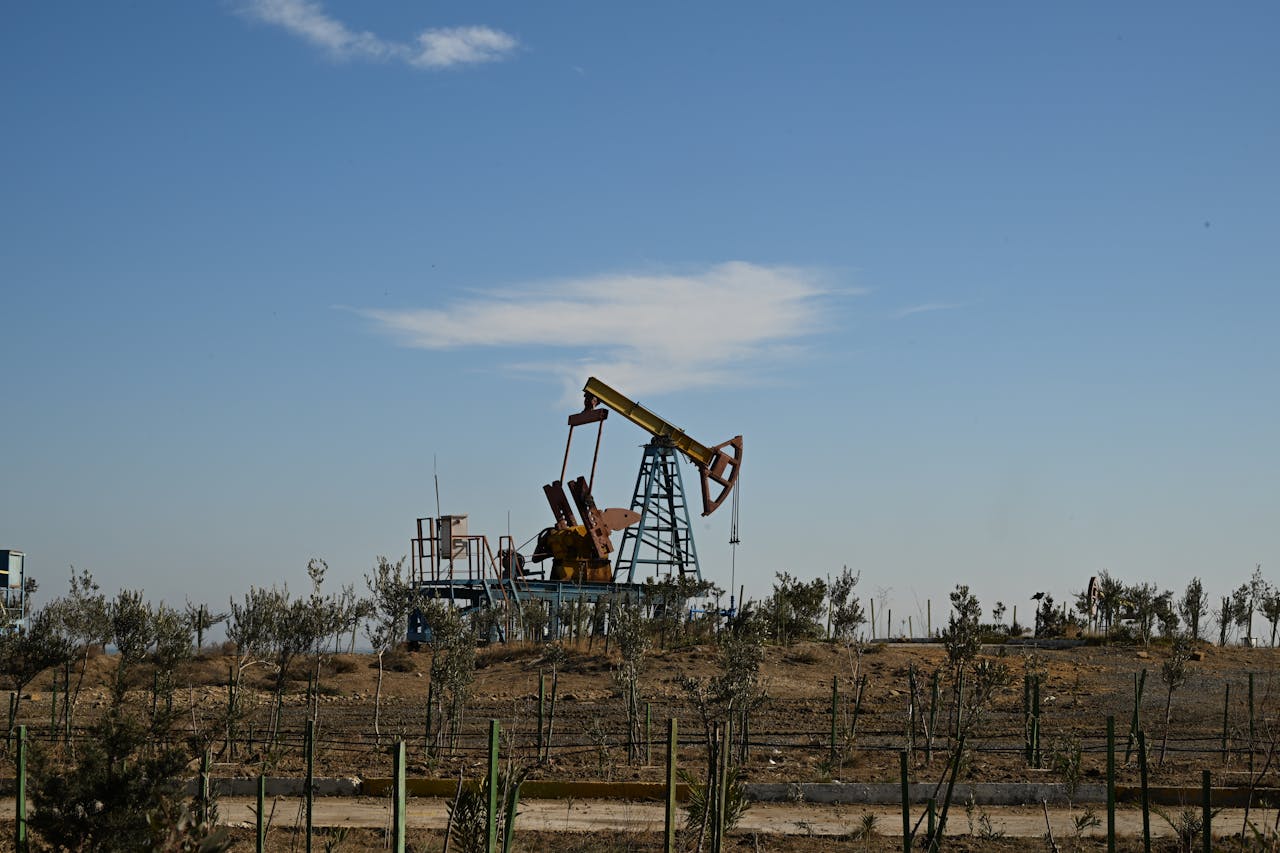
Oil prices spiked sharply during early Asian trading on Monday as geopolitical tensions between the United States and Iran intensified, raising concerns over global energy supply disruptions. Brent crude futures climbed as much as 7%, reaching $97.50 per barrel before settling near $95.14. The sudden price movement follows reports that the U.S. seized an Iranian-flagged cargo vessel, while Iran responded by shutting down the strategically vital Strait of Hormuz shortly after briefly reopening it over the weekend.
U.S. President Donald Trump confirmed that American forces intercepted and fired upon an Iranian vessel attempting to bypass a naval blockade, ultimately seizing the ship. Iran strongly condemned the action and signaled potential retaliation, further heightening uncertainty in global oil markets. Over the weekend, Tehran also reportedly targeted several ships attempting to pass through the Strait, escalating fears of prolonged supply disruptions.
The Strait of Hormuz is a critical global oil transit route, responsible for transporting roughly 20% of the world’s oil consumption. Any instability in this region typically triggers volatility in crude oil prices, and the latest developments are no exception. Oil had previously dropped over 9% after Iran initially announced it would reopen the waterway, but renewed closures quickly reversed that trend.
Market analysts warn that investors may have underestimated the risks of a prolonged standoff. According to OCBC analysts, the situation suggests continued geopolitical brinkmanship, with short-term market instability and a stronger U.S. dollar likely. Despite the rising tensions, some experts believe a diplomatic resolution remains possible, though it may involve a complex and uncertain path.
Meanwhile, uncertainty surrounds upcoming peace negotiations as a temporary ceasefire approaches its expiration on April 21. While the U.S. plans to send envoys to Pakistan for further discussions, Iranian officials have reportedly declined participation as long as the U.S. naval blockade remains in place. This ongoing conflict, now entering its eighth week, continues to drive oil market volatility and global economic concern.







