


 Japan Private-Sector Growth Slows as Domestic Demand Weakens
  South Korea, US Discuss Warship Building Cooperation
  Wall Street Falls as Treasury Yields Surge, Oil Rebounds on Iran Tensions
  Dollar Holds Near Two-Month High as Yen Approaches 160
  U.S. Treasury Yields Surge as 30-Year Hits 22-Year High
  Japanese Bank Stocks Surge as Bond Yields Fuel Rate Hike Bets
  Russian Envoy Dmitriev Heads to US for Ukraine Talks
  Asian Stocks Fall as Bond Yields Surge Ahead of Trump-Xi Summit
  Fed Unveils Stablecoin Rules Under GENIUS Act
  Wall Street Ends Flat as Oil, Treasury Yields and Fed Jitters Rattle Markets
  Gold Holds Near $4,275 as Rising Treasury Yields Fuel Fed Rate Hike Bets
  Asian Stocks Fall as Surging Bond Yields Rattle Markets
  Oil Prices Ease as Iran Tensions Clash With Diplomacy Hopes
  Oil Prices Jump 3% as Houthi Attack Revives Supply Fears
  Asian Currencies Mixed as Dollar Holds Near Two-Month High
  U.S. 10-Year Treasury Yield Hits 2007 High as Fed Rate Hike Bets Rise


 Add as a preferred source on Google
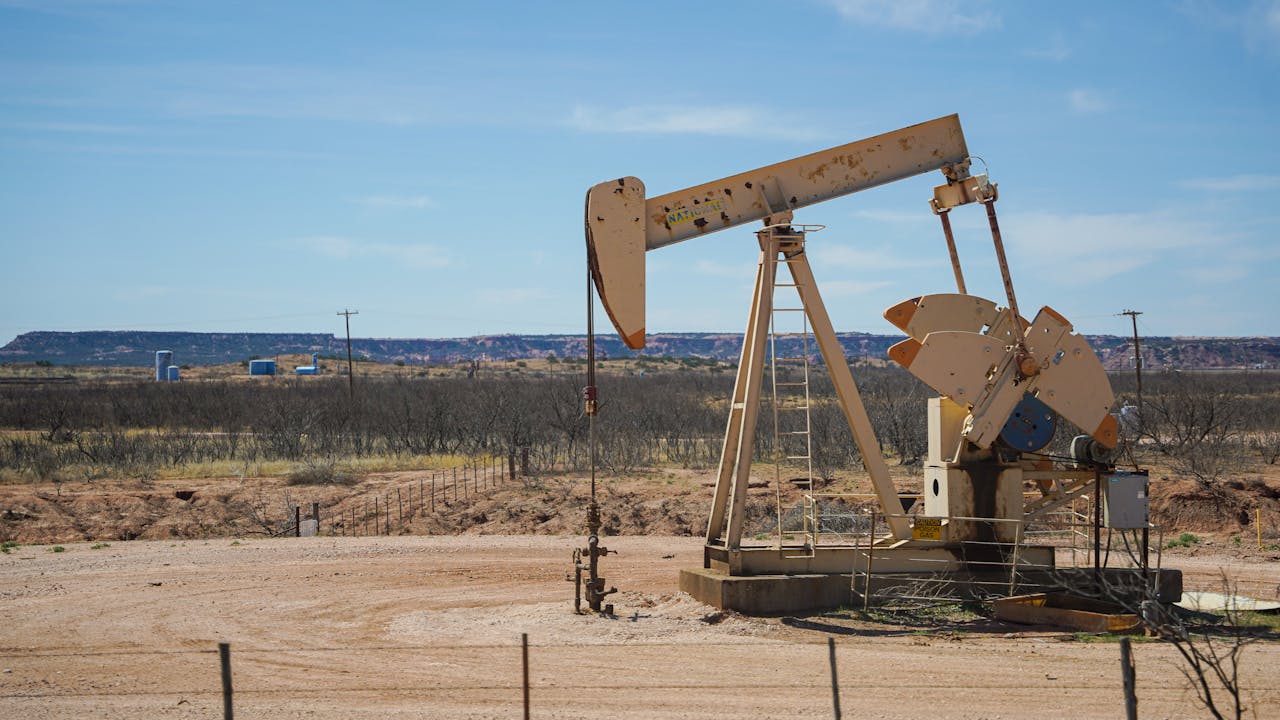
Global oil prices climbed sharply on Monday following the Easter holiday weekend, driven by escalating tensions between the United States, Israel, and Iran that continue to rattle international energy markets. The ongoing conflict has raised serious concerns about the stability of global crude oil supply, pushing prices to multi-month highs.
Brent crude futures advanced $2.40, equivalent to a 2.2% increase, reaching $111.43 per barrel at 2215 GMT. Meanwhile, U.S. West Texas Intermediate crude futures surged $3.00, or 2.7%, bringing WTI prices to $114.57 per barrel. Both benchmarks reflect growing market anxiety over potential long-term disruptions to oil shipments across one of the world's most critical energy corridors.
At the center of the crisis is the Strait of Hormuz, a narrow but strategically vital waterway through which roughly 20% of the world's traded oil passes daily. Any prolonged closure of this chokepoint would send shockwaves through global energy markets, affecting oil-dependent economies across Asia, Europe, and beyond.
Tensions intensified over the weekend when U.S. President Donald Trump issued a stark warning to Iran via social media on Easter Sunday. In a forceful post, Trump threatened to strike Iranian infrastructure — including power plants and bridges — as early as Tuesday if Iran fails to reopen the Strait of Hormuz. The aggressive posture signals a potential military escalation that energy traders and geopolitical analysts are watching closely.
Energy market experts warn that if diplomatic efforts fail and military action intensifies, crude oil prices could climb even further, worsening inflationary pressures globally. Countries heavily reliant on Middle Eastern oil imports are already reassessing their energy security strategies in response to the growing instability.
Investors and analysts alike will be closely monitoring developments throughout the week as the situation continues to evolve.







