


 US 10-Year Treasury Yield at 6% Emerges as New Market Risk Threshold
  Oil Prices Ease as Iran Tensions Clash With Diplomacy Hopes
  South Korea, US Discuss Warship Building Cooperation
  China’s ‘Lipstick King’ Says AI Won’t Replace Livestream Hosts
  U.S. 10-Year Treasury Yield Hits 2007 High as Fed Rate Hike Bets Rise
  Wall Street Ends Flat as Oil, Treasury Yields and Fed Jitters Rattle Markets
  Oil Prices Jump 3% as Houthi Attack Revives Supply Fears
  Mexico-US Trade Talks Delayed to October as Tariff Negotiations Continue
  European Stocks Fall as Bond Yields and Geopolitical Risks Weigh
  US Stock Futures Fall as Treasury Yields Surge Ahead of Trump-Xi Summit
  US, China Extend Trade Truce to Jan. 10 Ahead of Trump-Xi Summit
  Trump, Xi Focus on Trade and AI at White House Summit
  Oil Prices Surge as U.S.-Iran Diplomacy Hopes Fade
  European Stocks Slip as Iran Tensions Offset Strong Eurozone Data
  Asian Stocks Fall as Bond Yields Surge Ahead of Trump-Xi Summit
  Japan Private-Sector Growth Slows as Domestic Demand Weakens
  Gold Prices Fall as Treasury Yields Rise on Fed Rate Hike Bets


 Add as a preferred source on Google
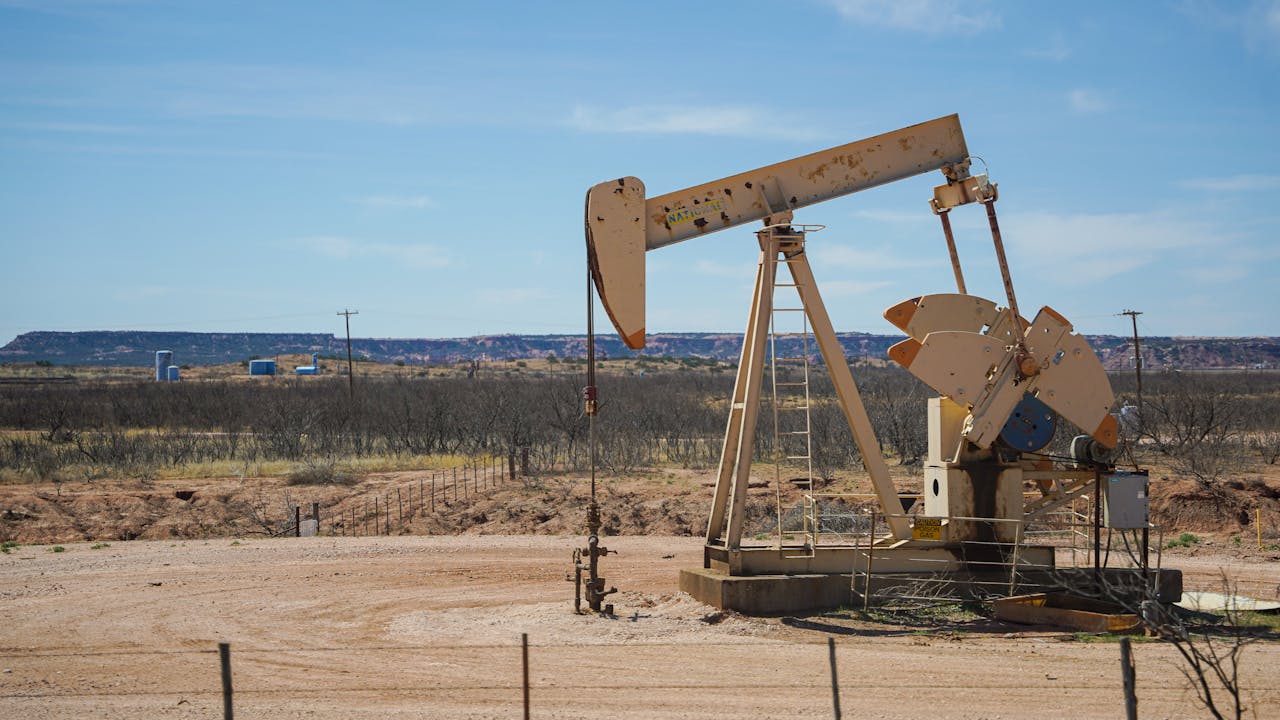
Oil prices extended their gains during Asian trading on Wednesday as escalating tensions in the Middle East and stalled U.S.-Iran nuclear negotiations increased concerns over potential supply disruptions. Stronger-than-expected declines in U.S. crude oil inventories also provided additional support to the market, reinforcing bullish sentiment among investors.
Brent crude futures for August delivery climbed 1.1% to $97.01 per barrel, while West Texas Intermediate (WTI) crude futures advanced 1.1% to $94.76 per barrel. Both benchmark contracts had already recorded gains of more than 1% during the previous trading session.
Market attention remains focused on geopolitical developments in the Middle East after hopes for progress in diplomatic talks between the United States and Iran weakened. Israel continued its military operations in southern Lebanon, while Kuwait reported that its air defense systems successfully intercepted hostile missile and drone attacks.
Adding to market uncertainty, the U.S. Central Command confirmed that American forces carried out strikes on Iran’s Qeshm Island. The island is strategically located near the Strait of Hormuz, a critical global shipping route responsible for transporting nearly 20% of the world’s oil supply. Any disruption in this region could significantly impact global energy markets and oil prices.
Meanwhile, reports indicate that communications between Washington and Tehran have slowed despite U.S. President Donald Trump stating that negotiations remain ongoing. Iranian media outlets have expressed skepticism regarding the possibility of reaching a near-term agreement, leading traders to factor a higher geopolitical risk premium into oil prices.
Further supporting crude prices, data released by the American Petroleum Institute (API) showed that U.S. crude oil inventories dropped by 6.8 million barrels during the week ending May 29. The decline substantially exceeded analysts’ expectations of a 3.6 million-barrel draw, signaling stronger demand and tighter supply conditions.
Investors are now closely watching the official U.S. Energy Information Administration (EIA) inventory report scheduled for release later on Wednesday. The report is expected to provide additional insights into supply trends and could influence the short-term direction of Brent crude and WTI oil prices. With geopolitical risks remaining elevated and inventory levels falling, the oil market is likely to remain highly sensitive to upcoming developments.







