


 BOJ Raises Interest Rate to 31-Year High as Yen Weakens
  China Boosts Gold Reserves by 650,000 Ounces as Prices Rally
  Asian Currencies Mixed as Dollar Holds Near Two-Month High
  European Stocks Slip as Iran Tensions Offset Strong Eurozone Data
  Central Banks Could Buy 20,000 Tonnes of Gold: BofA
  Trump, Xi Focus on Trade and AI at White House Summit
  Gold Drops Over 1% as Dollar, Treasury Yields Surge on Fed Rate Hike Bets
  Oil Prices Jump 3% as Houthi Attack Revives Supply Fears
  Mexico-US Trade Talks Delayed to October as Tariff Negotiations Continue
  BOJ Flags Import Costs and Yen Shocks as Persistent Inflation Risks
  US Stock Futures Fall as Treasury Yields Surge Ahead of Trump-Xi Summit
  Dollar Hits Two-Month High as Fed Rate Hike Bets Rise
  US 10-Year Treasury Yield at 6% Emerges as New Market Risk Threshold
  Wall Street Falls as Treasury Yields Surge, Oil Rebounds on Iran Tensions
  Yen in Focus as BOJ, Fed Rate Hikes Reshape Currency Markets
  Japanese Yen Retreats as Dollar Rises Ahead of Fed, BOJ Rate Decisions


 Add as a preferred source on Google
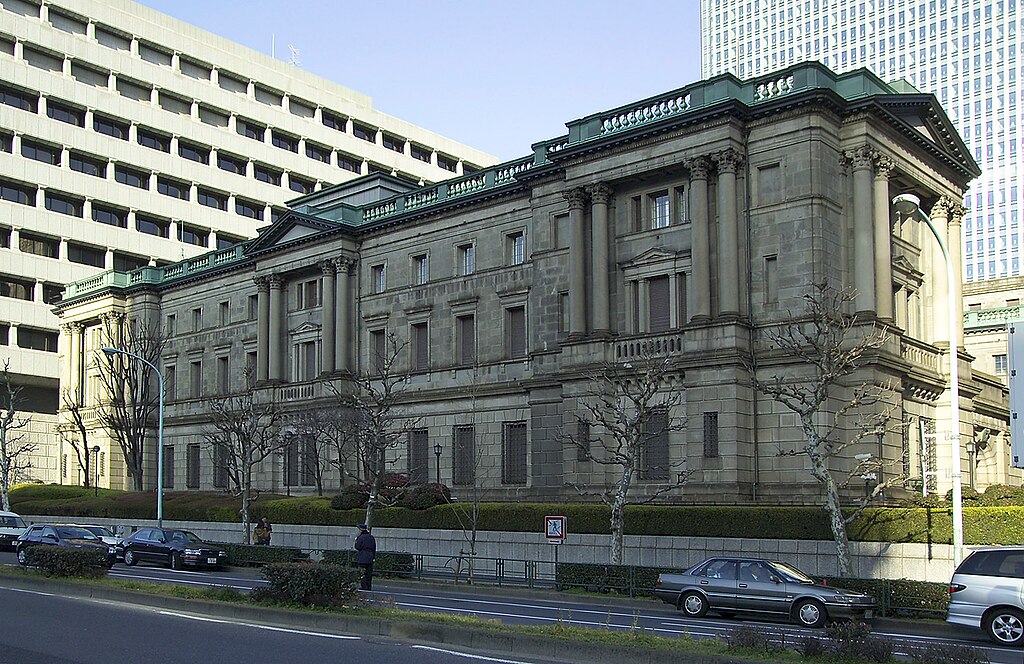
The Bank of Japan (BOJ) is expected to keep its key interest rate at 1% at next week’s policy meeting while maintaining its warning that inflation could exceed its 2% target, according to sources familiar with the central bank’s thinking.
In its quarterly outlook report, the BOJ is likely to repeat its June assessment that underlying consumer inflation still carries upside risks. However, officials are expected to indicate that those risks have not increased significantly over the past three months, reflecting easing concerns over an immediate inflation shock.
The central bank is expected to cite several factors supporting inflation, including lingering uncertainty from the Middle East conflict, strong global demand for artificial intelligence, rising import costs, and the continued weakness of the Japanese yen. At the same time, policymakers believe the chances of severe supply disruptions causing a rapid spike in inflation—and forcing aggressive interest rate hikes—have declined since April.
The BOJ raised its policy rate to a 31-year high of 1% in June after warning of stronger inflation risks. Since then, attention has shifted from geopolitical disruptions to whether Japanese companies continue passing higher costs on to consumers.
Analysts surveyed by Reuters expect the BOJ’s next rate hike to 1.25% could come between October and December if inflation develops in line with forecasts. Nomura Securities strategist Mari Iwashita said sustained price increases through summer and autumn would strengthen the case for another policy tightening.
The BOJ is also expected to upgrade its economic growth forecast, helped by reduced uncertainty surrounding the Middle East conflict. Japan’s core consumer inflation stood at 1.6% in June, remaining below the central bank’s 2% target for a fifth consecutive month. However, economists expect inflation to move above 2% later this year as higher producer costs gradually feed into consumer prices.
While BOJ policymakers remain divided over the pace of future tightening, investors will closely watch the bank’s assessment of inflation risks, financial conditions, and the yen’s direction for clues on the timing of the next interest rate hike.







