


 Trump, Xi Focus on Trade and AI at White House Summit
  US Stock Futures Fall as Treasury Yields Surge Ahead of Trump-Xi Summit
  Wall Street Ends Flat as Oil, Treasury Yields and Fed Jitters Rattle Markets
  U.S. 10-Year Treasury Yield Hits 2007 High as Fed Rate Hike Bets Rise
  Oil Prices Surge as U.S.-Iran Diplomacy Hopes Fade
  U.S. Dollar Hits Two-Month High as Oil, Treasury Yields Surge
  Mexico-US Trade Talks Delayed to October as Tariff Negotiations Continue
  Oil Prices Ease as Iran Tensions Clash With Diplomacy Hopes
  Asian Stocks Fall as Bond Yields Surge Ahead of Trump-Xi Summit
  Japan Private-Sector Growth Slows as Domestic Demand Weakens
  US Dollar Hits Two-Month High as Fed Rate Hike Bets Rise
  European Stocks Fall as Bond Yields and Geopolitical Risks Weigh
  RBI Uses $10 Billion Currency Swaps to Drain Excess Rupee Liquidity
  Australia Unemployment Hits Five-Year High Despite Strong Jobs Growth
  China’s ‘Lipstick King’ Says AI Won’t Replace Livestream Hosts
  European Stocks Slip as Iran Tensions Offset Strong Eurozone Data


 Add as a preferred source on Google
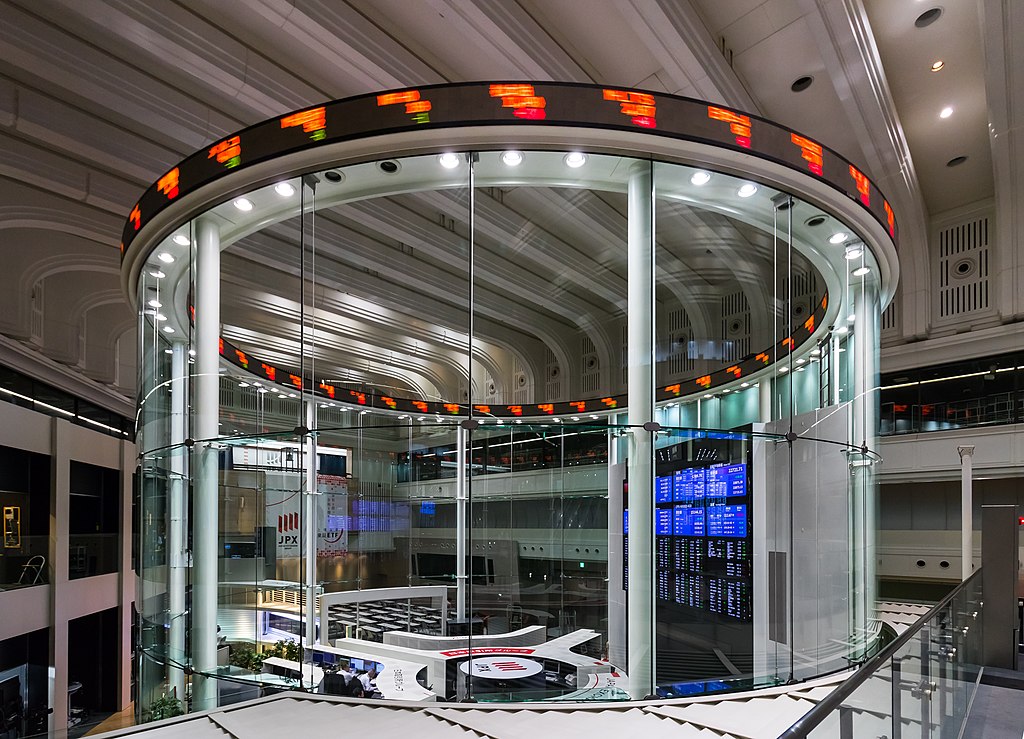
Asian stock markets advanced on Thursday as strong artificial intelligence (AI) investment plans from major U.S. technology companies boosted confidence in the region's semiconductor sector, while escalating conflict in the Middle East drove oil prices to their highest level in six weeks, raising fresh inflation concerns.
Brent crude climbed 2% to around $96 per barrel after the United States launched additional strikes on Iran and Yemen's Houthi militants targeted oil tankers in the Red Sea. The widening conflict has heightened fears of disruptions to global energy supplies, particularly if shipping routes through the Strait of Hormuz and the Bab el-Mandeb Strait are affected. Analysts warn such disruptions could impact more than a quarter of the world's oil and gas trade, increasing inflationary pressures and slowing global economic growth.
The surge in oil prices also lifted short-term U.S. Treasury yields to 17-week highs as investors increased bets that the Federal Reserve may need to raise interest rates sooner than expected. Macquarie strategist Thierry Wizman said the market's concerns over higher energy costs and their impact on global growth are justified.
Technology stocks remained a bright spot after Alphabet and Tesla reaffirmed aggressive AI infrastructure spending. Alphabet raised its annual capital expenditure forecast to between $195 billion and $205 billion, reinforcing expectations of sustained demand for advanced semiconductors.
The outlook lifted Asian chipmakers, with South Korea's KOSPI rising more than 3%, supported by gains in SK Hynix and Samsung Electronics. Japan's Nikkei added about 1%, while MSCI's Asia-Pacific index excluding Japan climbed roughly 1%, putting it on track for a weekly gain of around 3% after two consecutive weekly declines.
Allspring Global Investments portfolio manager Gary Tan said continued cloud expansion validates higher AI capital spending and strengthens the long-term outlook for hyperscale data center investments, benefiting Asia's semiconductor industry.
Meanwhile, the Japanese yen remained under pressure near 40-year lows, trading around 163 per U.S. dollar despite reports that Bank of Japan officials may consider faster interest rate hikes. Investors also remained alert for possible intervention from Japanese authorities as markets balanced optimism over AI-driven growth against geopolitical risks and expectations of tighter U.S. monetary policy.







