


 US, Japan and South Korea Back Taiwan Ahead of Trump-Xi Summit
  Paramount-Warner Bros $110 Billion Deal Draws Antitrust Backlash
  U.S. Dollar Hits Eight-Week High After Fed Rate Hike
  Canada Unveils Bill to Fast-Track Major Resource Projects
  US Bans Canadian Alcohol, Motorcycles as Trade War Escalates
  Canada Eyes India Trade Deal by Year-End
  Carney Condemns Belleville Synagogue Shooting That Wounded Police Officer
  Trump Open to Pezeshkian Meeting as Iran Tensions Escalate
  US Judge Dismisses Imran Ahmed Deportation Lawsuit
  South Korea to Brief Lawmakers on $350 Billion US Investment Package
  Judge Blocks Trump Rule Limiting Foreign Student Visas
  Vietnam Stocks Join FTSE Emerging Market Indexes, Unlocking Billions in Foreign Investment
  US-China Talks Target AI, Tariffs Ahead of Trump-Xi Summit
  Bessent, He Lifeng to Discuss AI Security and Trade in New York
  Bolivia Approves $1.9 Billion IMF Financing Deal
  FAA Allows Boeing to Sell 35 More 777F Freighters Beyond 2028
  Australia Defends Social Media Algorithm Law Amid US Concerns


 Add as a preferred source on Google
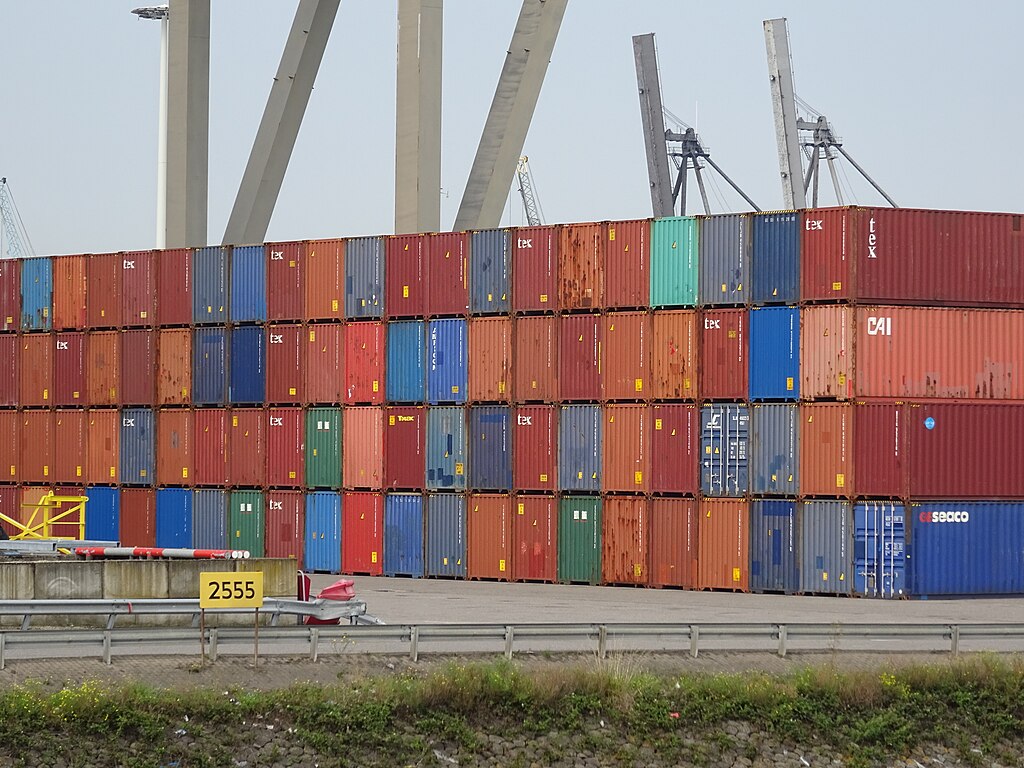
Governments around the world reacted sharply after the Trump administration imposed new tariffs of 10% and 12.5% on imports from 60 trading partners, including the European Union and China, citing concerns over inadequate enforcement of forced labor restrictions.
The new measures took effect after a temporary 10% global tariff expired, prompting criticism from allies and trading partners who argued the decision lacks justification and could disrupt global trade.
European Union foreign policy chief Kaja Kallas questioned Washington’s rationale, saying the bloc maintains strong labor protections that exceed those in the United States. She also expressed disappointment that the move appeared to disregard a previous trade understanding between the EU and the U.S.
Australian Trade Minister Don Farrell described the tariffs as "completely unjustified" and pledged to continue pressing U.S. officials to eliminate duties on Australian exports.
Mexico’s Economy Minister Marcelo Ebrard said the latest announcement would not alter Mexico’s effective tariff rate, explaining that the new measures simply replace existing ones and leave the country’s overall trade treatment unchanged.
Bank of France Governor Emmanuel Moulin said Europe should see limited direct impact because of the existing Turnberry agreement with the United States. However, he warned that the added uncertainty surrounding global trade would weigh on economic growth.
Brazil strongly condemned the tariffs, calling them arbitrary and lacking legal justification. The government accused the U.S. of using human rights concerns to support a protectionist trade agenda and announced plans to invoke its Reciprocity Law while pursuing a dispute through the World Trade Organization.
Malaysia adopted a more cautious approach. Prime Minister Anwar Ibrahim welcomed the relatively lower 10% tariff on Malaysian goods compared with other countries but said negotiations with Washington would continue to protect national interests. He added that Malaysia would raise the issue again if discussions fail to produce a satisfactory outcome.
The Philippines also pledged continued engagement with the United States, emphasizing its commitment to combating forced labor through policies aligned with International Labor Organization conventions. Trade Secretary Cristina Roque said the country recently introduced a new interagency mechanism to strengthen enforcement while stressing that Philippine exports, particularly electronics, semiconductors, and agricultural products, remain important to U.S. supply chain stability.







