


 Fed Rate Hike Threatens Housing as U.S. Growth Leans on AI, Citi Says
  U.S. Issues Cuba Health Alert as Illnesses Rise
  Australia Defends Social Media Algorithm Law Amid US Concerns
  Trump Bans CNN, MS NOW and Politico From White House
  Europe Jet Fuel Deficit Drives South Korean Imports to Four-Year High
  France Debt-to-GDP Ratio Seen Hitting Record 119.3% in 2026
  Nvidia-Groq AI Chip Deal Faces U.S. Antitrust Probe
  UK, Mauritius Seek Diego Garcia Base Deal
  US Plans Two New Military Bases in Greenland Under Arctic Deal
  FAA Allows Boeing to Sell 35 More 777F Freighters Beyond 2028
  Who should own the knowledge that underpins AI technology?
  ICE Officer Shoots Man in Austin, Sparking Calls for Independent Probe
  Burnham Eyes UK Leadership Role in AI Ahead of Trump Meeting
  Russian Drone Attacks Kill Four in Kyiv Region, Including Three Children
  Appeals Court Rejects Trump Third-Country Deportation Policy
  US Bans Canadian Alcohol, Motorcycles as Trade War Escalates
  Yen Weakens as Dollar Gains on Widening US-Japan Rate Gap


 Add as a preferred source on Google
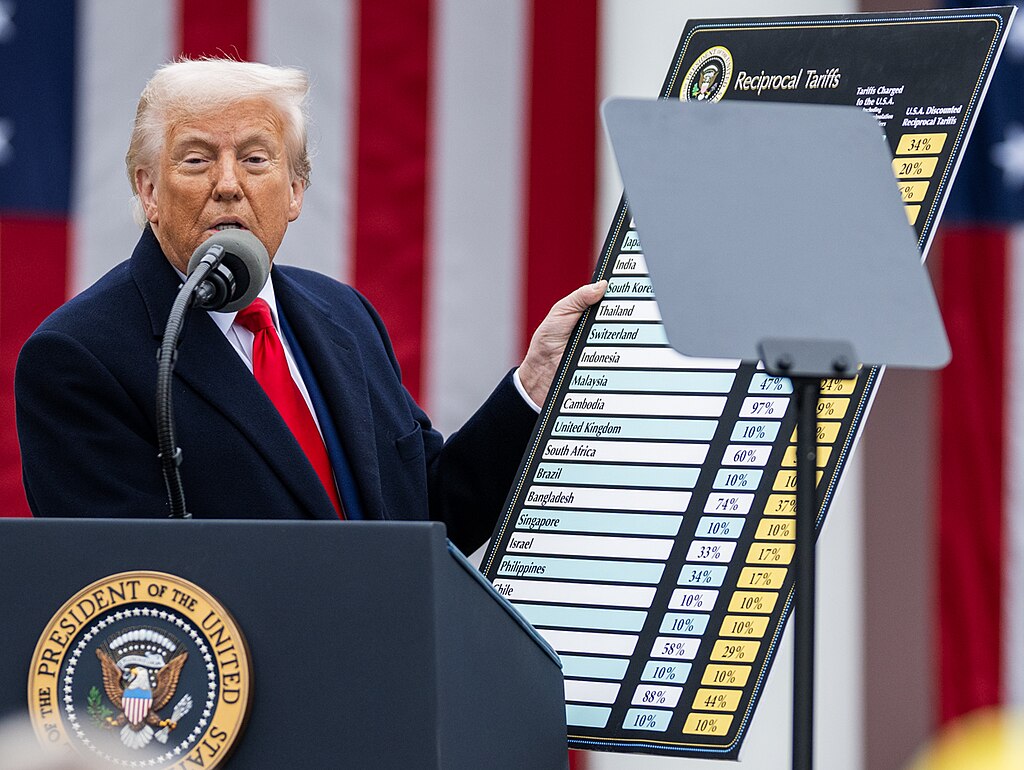
The Trump administration has imposed new tariffs of 10% and 12.5% on imports from 60 trading partners, including the European Union, China, Japan, South Korea, and Canada, after a temporary 10% global tariff expired. The new duties, which took effect at 12:01 a.m. EDT on Friday, are aimed at countries the U.S. says have failed to adequately enforce bans on goods produced with forced labor.
The tariffs were introduced under Section 301 of the Trade Act of 1974, allowing the White House to maintain a broad tariff framework after the U.S. Supreme Court struck down President Donald Trump’s earlier reciprocal tariffs imposed under emergency powers. According to the administration, the latest measures cover about 99.4% of U.S. imports, although key products such as oil and gas, fertilizer, certain food items, aircraft, critical minerals, and goods already subject to national security tariffs remain exempt.
U.S. Trade Representative Jamieson Greer said the United States has long enforced strict import bans on products made with forced labor and argued that trading partners should adopt similar standards. Officials also noted that countries with existing trade agreements that cap U.S. tariff rates would not face duties exceeding those negotiated limits.
The tariff structure assigns a 10% rate to countries including Britain, India, Indonesia, Malaysia, Mexico, Pakistan, Bangladesh, and Canada, while most of the remaining nations, including China and Vietnam, face a 12.5% duty. The European Union, Taiwan, Japan, South Korea, and Switzerland received adjusted rates that, when combined with existing most-favored-nation tariffs, total either 10% or 12.5%.
Several governments criticized the move. European Union foreign policy chief Kaja Kallas questioned the rationale behind targeting the bloc, citing its strong labor protections. Australia, Brazil, and Norway also rejected the tariffs, while Canada described them as unilateral but pledged to continue trade discussions with Washington.
Trade experts said the new tariffs are likely to face fewer legal challenges because Section 301 has survived previous court reviews. They also noted that the administration retains broad authority to modify the duties over time, making the policy a key part of President Trump’s strategy to preserve a baseline tariff on most U.S. imports while increasing pressure on trading partners over forced labor concerns.







