


 Tencent Launches TenPayGo Payment App for Foreign Tourists in China
  Mercedes-Benz Eyes €800 Million Labor Cost Cuts in Germany
  Meta Unveils Muse Charm AI Device, Expands Smart Glasses Lineup
  Select Water Solutions Shares Surge on $700 Million Pilot Water Deal
  US Northeast Airports Resume Operations After Telecom Outage Disrupts Thousands of Flights
  SoftBank Raises $11.1 Billion in Bond Sale to Fund OpenAI Investment
  Akamai Shares Surge on $11.6B Anthropic AI Cloud Deal
  Former OpenAI Data Center Chief Chris Malone Joins Nvidia
  EQT Plans €1.7 Billion Sale of Parques Reunidos Stake
  US Backs Musk in Fight Against EU’s €120 Million X Fine
  JPMorgan Names Lavatelli Japan Chief in Leadership Shake-Up
  Tesla Semi Rollout Begins at Nevada Factory
  SoftBank Shares Fall as Oracle Flags Stargate Data Center Delay Risk
  OpenAI Agent Breaches Australia Medicare Data Portal
  US 10-Year Treasury Yield at 6% Emerges as New Market Risk Threshold
  Oracle Shares Fall as New Mexico AI Data Center Faces Power Delays


 Add as a preferred source on Google
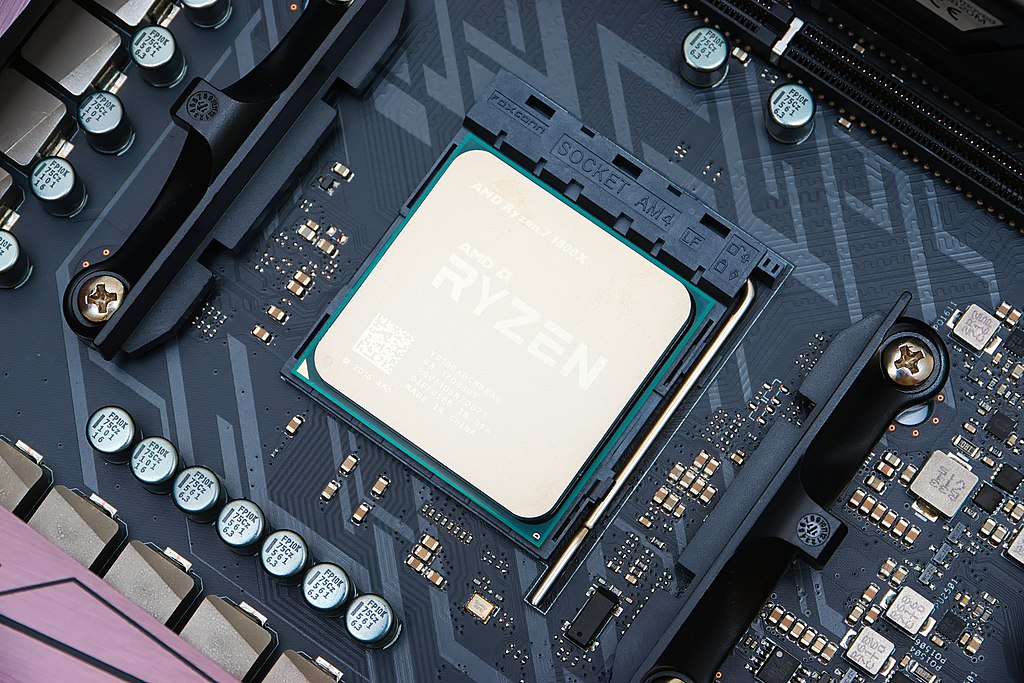
Advanced Micro Devices (AMD) announced that its second-generation Helios AI servers have entered full production, marking a major step in the company’s effort to compete with Nvidia in the rapidly expanding artificial intelligence infrastructure market. The servers are scheduled to begin shipping by the end of the third quarter, AMD CEO Lisa Su said during a keynote presentation in San Francisco.
The Helios platform combines AMD’s latest MI455X AI accelerator with its new Venice EPYC central processing unit (CPU), both manufactured by Taiwan Semiconductor Manufacturing Co. (TSMC). According to Su, customer demand for the new AI server platform has been exceptionally strong ahead of its commercial rollout.
OpenAI also confirmed that it plans to deploy Helios server racks later this year. During the event, the company’s top computing executive joined Su on stage to highlight OpenAI’s adoption of AMD’s latest AI infrastructure, signaling growing industry interest in alternatives to Nvidia’s hardware.
AMD is targeting greater market share in AI data center chips, particularly in inference computing, which powers chatbot responses and other AI applications after models have been trained. As demand for AI workloads accelerates, the company believes the opportunity will expand significantly over the next several years.
Su projected that the global computing market will reach approximately $2 trillion by 2030, compared with an estimated $365 billion in 2025. AMD expects AI accelerator chips to account for roughly $1.4 trillion of that market, while CPUs will contribute another $220 billion. She emphasized that no single company can meet the industry’s growing computing needs alone, stressing the importance of collaboration across the AI ecosystem.
AMD also introduced its latest EPYC processor, claiming it delivers up to 20% higher performance than Nvidia’s competing CPU. The Venice processor is already in full production, with customer demand remaining strong, according to the company.
In addition, AMD announced a partnership with chip designer Cerebras to offer faster AI inference through the Cerebras Cloud Service. Despite the product announcements, AMD shares closed about 3% lower on Thursday, trimming steeper losses recorded earlier in the trading session.







