


 RBI Uses $10 Billion Currency Swaps to Drain Excess Rupee Liquidity
  Oil Prices Surge as U.S.-Iran Diplomacy Hopes Fade
  Russian Envoy Dmitriev Heads to US for Ukraine Talks
  U.S. 10-Year Treasury Yield Hits 2007 High as Fed Rate Hike Bets Rise
  Asian Currencies Mixed as Dollar Holds Near Two-Month High
  Wall Street Falls as Treasury Yields Surge, Oil Rebounds on Iran Tensions
  Trump, Xi Focus on Trade and AI at White House Summit
  US, China Extend Trade Truce to Jan. 10 Ahead of Trump-Xi Summit
  China’s ‘Lipstick King’ Says AI Won’t Replace Livestream Hosts
  European Stocks Slip as Iran Tensions Offset Strong Eurozone Data
  Fed Unveils Stablecoin Rules Under GENIUS Act
  Wall Street Ends Flat as Oil, Treasury Yields and Fed Jitters Rattle Markets
  Fed Unveils Stablecoin Rules Under GENIUS Act
  Gold Drops Over 1% as Dollar, Treasury Yields Surge on Fed Rate Hike Bets
  Oil Prices Jump 3% as Houthi Attack Revives Supply Fears
  US 10-Year Treasury Yield at 6% Emerges as New Market Risk Threshold
  Oil Prices Ease as Iran Tensions Clash With Diplomacy Hopes


 Add as a preferred source on Google
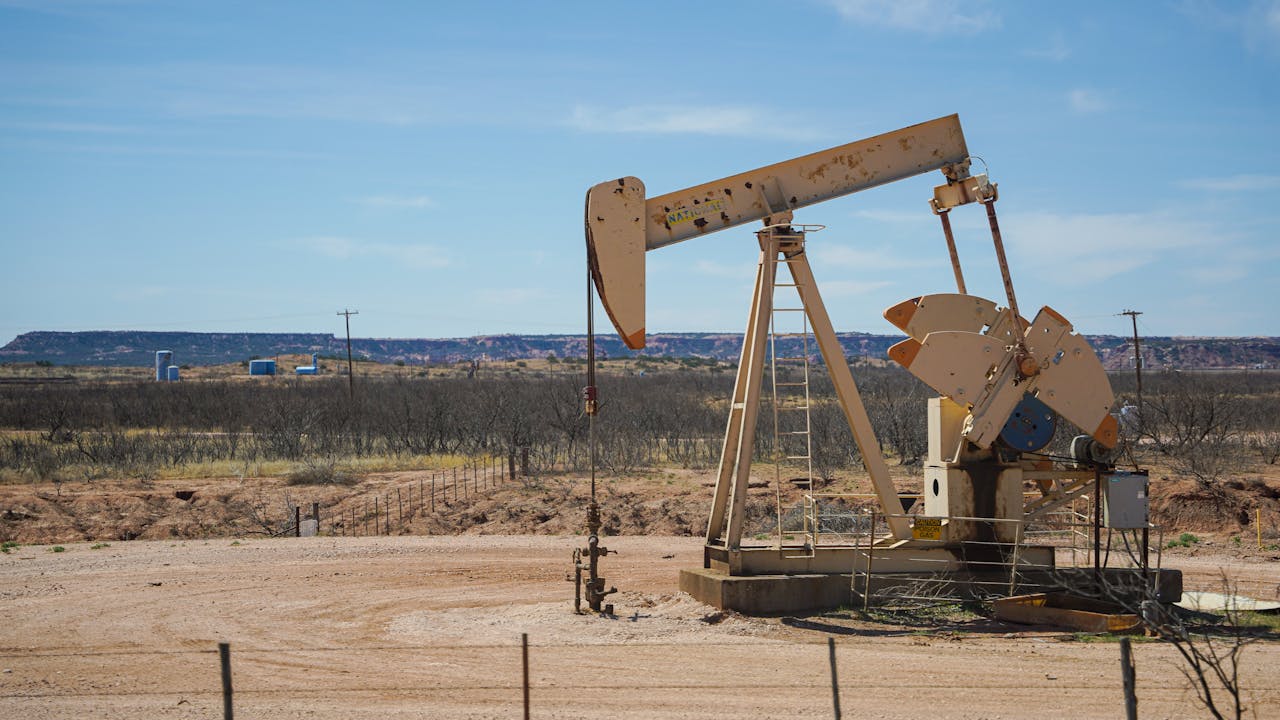
Oil prices were set for strong weekly gains on Friday as renewed supply concerns gripped global energy markets following Houthi attacks on Saudi oil tankers in the Red Sea and temporary production cuts in Kazakhstan.
Brent crude futures slipped 72 cents, or 0.72%, to $99.97 a barrel by 0126 GMT after briefly trading above the $100 mark, while U.S. West Texas Intermediate (WTI) crude fell 70 cents, or 0.76%, to $91.49 a barrel. Despite the pullback, Brent remained on track for a weekly gain of 13.5%, with WTI poised to rise 10.9%.
The rally followed Thursday’s sharp advance, when Brent climbed 7% and WTI gained 6.2%. Brent also settled above $100 for the first time since May after Iran-backed Houthi forces claimed responsibility for attacks on two Saudi oil tankers in the Red Sea.
Market participants are increasingly concerned that escalating tensions could disrupt the Bab el-Mandeb Strait, a vital shipping route linking the Red Sea to the Indian Ocean. The passage is considered one of the world's most important oil transit corridors after the Strait of Hormuz.
U.S. President Donald Trump warned that Iran would be held accountable for any additional attacks, adding to fears of a broader regional conflict. Earlier this week, the Houthis announced a naval blockade targeting Saudi Arabia, which had rerouted some crude exports through pipelines to bypass Iran’s restrictions around the Strait of Hormuz. The group has also threatened to shut the Bab el-Mandeb if U.S. strikes on Iranian infrastructure continue.
"The noose around global energy supply routes is pulling tighter again," IG market analyst Tony Sycamore said.
Supply concerns were further amplified after Kazakhstan’s Energy Ministry confirmed that oil producers temporarily reduced output following suspected Ukrainian drone attacks that forced the closure of the country’s main Black Sea export terminal.
The Caspian Pipeline Consortium halted crude loadings after attacks on tankers near the terminal, disrupting a route responsible for transporting roughly 2% of global daily oil supply. Although Kazakhstan did not disclose the extent of the cuts, an industry source said production at the country’s largest oil field had been reduced by more than half, adding further pressure to an already strained global crude market.







