


 Oil Prices Surge as U.S.-Iran Conflict Escalates, Raising Supply Fears
  Pakistan Seeks $10 Billion U.S. Exchange Stabilization Fund to Boost Forex Reserves
  US Stock Futures Steady Ahead of Tesla, Alphabet Earnings as Iran Conflict Keeps Markets on Edge
  Houthi Naval Blockade on Saudi Arabia Escalates Iran Conflict, Threatens Global Oil Supply
  Deutsche Bank Says Fed Balance Sheet Cuts Could Weaken US Dollar Instead of Boosting It
  Oil Prices Hold Steady as U.S.-Iran Conflict and Houthi Blockade Keep Markets on Edge
  Gold Price Surges Above $4,100 as Middle East Tensions Boost Safe-Haven Demand
  Trump Set to Unveil New Tariffs on Dozens of Countries as Global 10% Duty Nears Expiration
  Gold Climbs Above $4,000 as Middle East Tensions and Fed Outlook Drive Safe-Haven Demand
  US-Iran Conflict Escalates as Gulf Attacks Threaten Global Oil Supply
  US Stock Futures Hold Steady as Tesla, Alphabet Earnings and Iran Conflict Dominate Market Focus
  US Dollar Holds Near One-Week High as Middle East Tensions and Oil Prices Drive Market Sentiment
  US Dollar Climbs to Weekly High as Middle East Tensions Lift Treasury Yields and Safe-Haven Demand
  Saudi Oil Tankers Reverse Course as Houthi Threats Disrupt Red Sea Shipping
  Hong Kong AI Stocks Rally as Moonshot AI’s Kimi K3 Launch Boosts Market Optimism
  ASEAN Ministers Warn Middle East Conflict Threatens Regional Stability and Energy Security


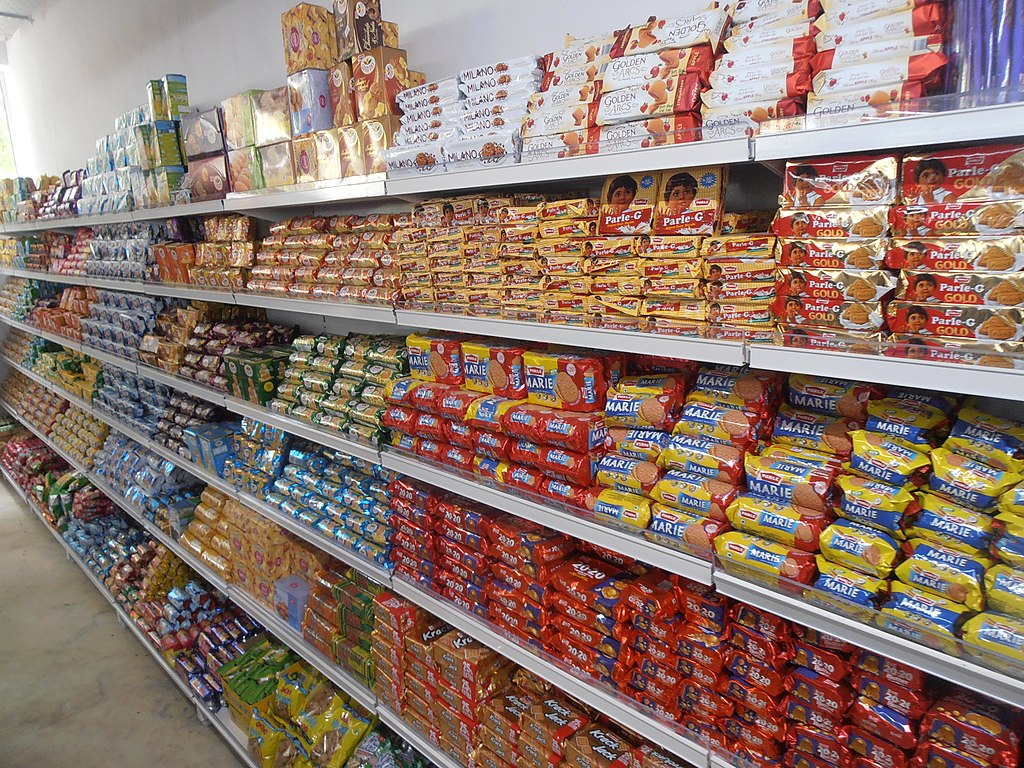
India's leading fast-moving consumer goods (FMCG) companies are expected to report weaker first-quarter profit margins as rising raw material costs, driven by the Iran conflict and higher crude oil prices, offset the benefits of steady consumer demand and recent price increases.
Investors will closely watch upcoming earnings to gauge how effectively companies have managed inflation through price hikes and smaller product pack sizes. Management commentary on rural demand, monsoon progress, and raw material cost trends will also be a key focus during the earnings season, which begins with Nestle India’s results on July 22.
Among the sector's preferred stocks, brokerages have highlighted Marico and Godrej Consumer Products as their top picks ahead of the quarterly reports.
Since tensions escalated in the Middle East earlier this year, the cost of essential inputs such as palm oil and packaging materials has climbed sharply. FMCG companies have responded by raising prices and reducing pack sizes, but analysts believe these measures have not fully offset higher production costs.
Despite margin pressure, consumer demand has remained resilient. A prolonged summer season, stronger rural consumption, premium product offerings, and expanding quick-commerce channels are expected to support revenue growth across the sector.
According to Systematix, major consumer goods companies could post around 12% revenue growth in the quarter, supported by approximately 7% volume growth and another 5% from pricing actions and pack-size adjustments. However, companies are still selling inventory produced at elevated input costs, limiting profitability.
Dhananjay Sinha, CEO and Co-Head of Institutional Equities at Systematix, said recent pricing initiatives have reduced—but not eliminated—the impact of higher raw material costs, leaving margins under pressure.
Brokerages including Jefferies expect additional price increases if inflation persists, while Investec forecasts double-digit revenue growth alongside sequential margin declines due to crude-linked cost inflation. CLSA also anticipates weaker gross margins, whereas HSBC believes resilient demand should continue supporting sales despite weather-related risks to rural consumption.
Analysts remain cautiously optimistic that profit margins could recover in the second half of the fiscal year if crude oil and edible oil prices stabilize. Reflecting investor concerns, the Nifty FMCG index has fallen 11.82% so far in 2026, underperforming the benchmark Nifty 50, which has declined 7.43% during the same period.







