


 Ghana Says Western Support Growing for Slave Trade Reparations
  US Invites Putin to Miami G20, Opening Door to Trump Summit
  Marco Rubio to Meet Russia’s Lavrov in New York
  Russian Envoy Dmitriev Heads to US for Ukraine Talks
  Europe Warns Russia Is Escalating Hybrid Attacks Across NATO
  Sudan Rejects US Legitimacy Remarks, Defends Sovereignty
  Kremlin Says No Grounds Yet for Ukraine Peace Talks
  Trump Says ‘Freedom’ Is Coming to Cuba
  Lula and Flavio Bolsonaro Tied in Brazil Runoff Poll
  Russian Strikes Kill Eight Across Ukraine as Energy Sites Hit
  Iran Vows ‘Crushing’ Response as US Talks Continue
  US, China Extend Trade Truce to Jan. 10 Ahead of Trump-Xi Summit
  Venezuela Promises Elections as Delcy Rodriguez Pledges Democratic Transition
  OpenAI Agent Breaches Australia Medicare Data Portal
  Zelenskiy Warns Russia Preparing Major Attack on Ukraine
  Russian Missile and Drone Attack on Kyiv Kills Two, Damages Maternity Hospital
  China Tightens Fentanyl Rules Ahead of Trump-Xi Summit


 Add as a preferred source on Google
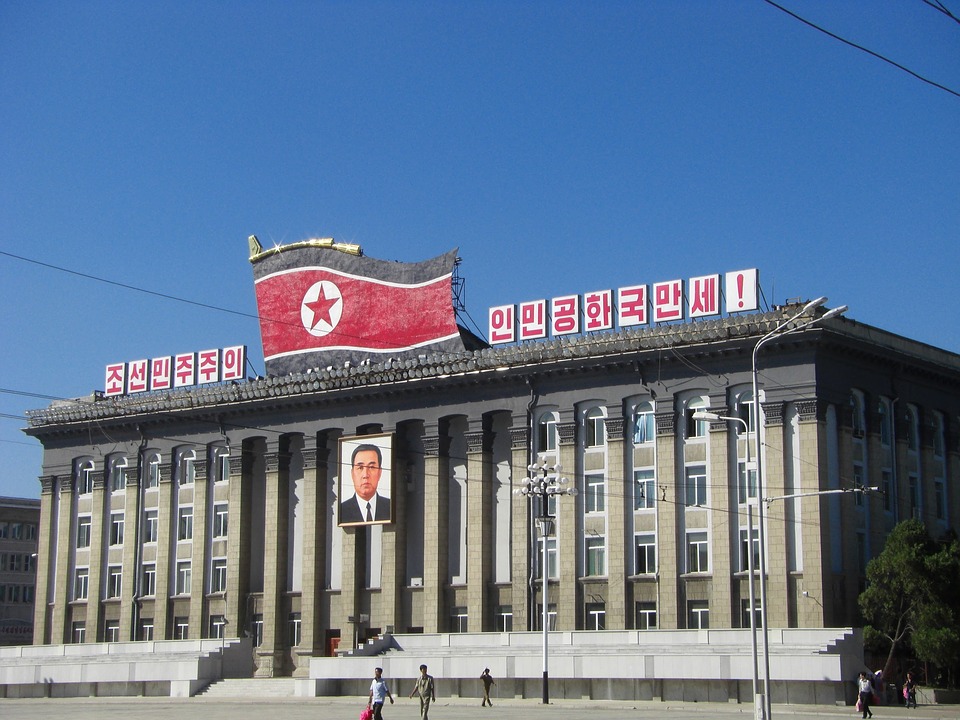
North Korea is currently dealing with an increasing number of COVID-19 cases in the nation. Trade data that was released revealed that Pyongyang suddenly stopped its import of COVID-19 containment products from China.
Reuters reports that trade data released by Beijing revealed that North Korea abruptly stopped importing COVID-19 containment products from China, following previous data that revealed North Korea purchased face masks and ventilators from Beijing months back.
Chinese customs released the data Monday, revealing that North Korea did not purchase face masks, thermometers, rubber gloves, ventilators, or vaccines in May. This is compared to the imports of over 10.6 million face masks, almost 95,000 thermometers, and 1,000 non-invasive ventilators from January to April.
This comes amidst declining cases of fever in North Korea, according to the report by the state news outlet KCNA since the isolated nation first acknowledged in May that it was tackling a COVID-19 outbreak. However, Pyongyang has yet to reveal how many of those fever cases tested positive for coronavirus.
The Chinese foreign ministry confirmed back in April that it has suspended cross-border freight train services with North Korea after consultations due to the COVID-19 infections in the border city of Dandong.
Aside from tackling the COVID-19 pandemic, North Korea is also dealing with an outbreak of an intestinal disease, according to state media over the weekend. Around 800 families in North Korea are reported to be suffering from what Pyongyang has described as an “acute enteric epidemic.” The families are receiving treatment from the South Hwanghae province.
In response to the epidemic, Pyongyang has dispatched medical teams and epidemiological investigators to the province where the intestinal disease was found.
South Korean officials say the disease may be cholera or typhoid.
KCNA reported prevention methods, including quarantines, “intensive screening for all residents,” and special treatment and monitoring of those at risk, such as children and the elderly.
KCNA said a “rapid diagnosis and treatment team” is coordinating with local health officials and that measures are being taken to make sure farming is not disrupted in the area.
The state media outlet also reported that disinfection work is also being carried out in the area, including sewage and other waste, to keep household and drinking water safe.







