


 US Invites Putin to Miami G20, Opening Door to Trump Summit
  Kremlin Says No Decision Yet on Putin-Trump December Summit
  US Officials Split Over Response to Israeli West Bank Settlements
  US Senate Rejects Iran War Powers Resolution in 50-49 Vote
  France Defends Netanyahu Airspace Clearance Despite ICC Warrant
  Ghana Says Western Support Growing for Slave Trade Reparations
  Gaza Faces Evacuation Crisis as War-Damaged Buildings Risk Collapse
  Taiwan Thanks US for Support Ahead of Trump-Xi Summit
  US, China Extend Trade Truce to Jan. 10 Ahead of Trump-Xi Summit
  Netanyahu’s Brief US Trip Highlights Strains With Trump
  Russian Missile and Drone Attack on Kyiv Kills Two, Damages Maternity Hospital
  Europe Warns Russia Is Escalating Hybrid Attacks Across NATO
  OpenAI Agent Breaches Australia Medicare Data Portal
  Netanyahu Defends Israel at UN as Delegates Stage Walkout
  Russian Envoy Dmitriev Heads to US for Ukraine Talks
  US Backs Musk in Fight Against EU’s €120 Million X Fine
  Sudan Rejects US Legitimacy Remarks, Defends Sovereignty


 Add as a preferred source on Google
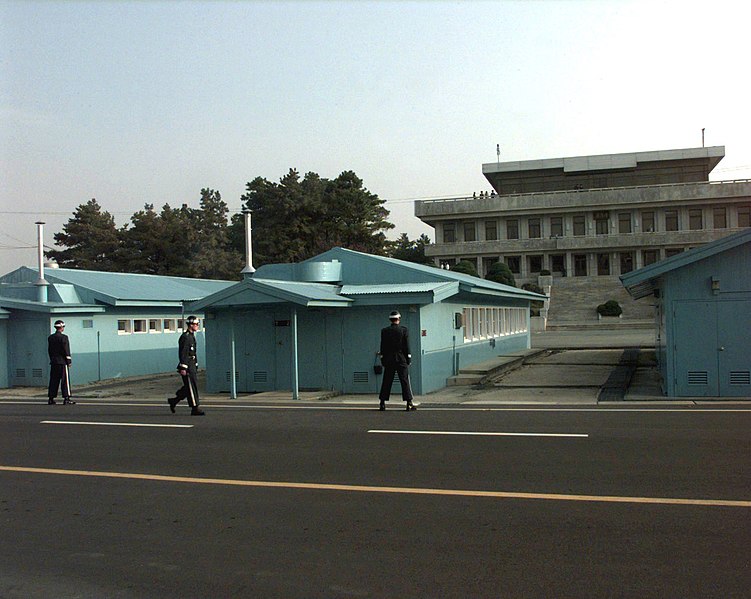
North Korea has repeatedly criticized the military drills being staged by the United States and South Korea in the region amidst flared tensions. Pyongyang has since called on the United Nations to demand an end to the allies’ military drills.
North Korean state media KCNA reported on Sunday that the foreign ministry has called on the UN to demand that the US and South Korea immediately stop their military exercises.
The ministry said the drills were raising tensions that threatened escalation. Pyongyang said the drills and rhetoric of the US and South Korea were “irresponsibly raising the level of confrontation,” according to North Korean vice foreign minister for international organizations Kim Son-gyong in a statement.
“The UN and the international community have to strongly urge the US and South Korea to immediately halt their provocative remarks and joint military exercises,” said Kim, expressing regret that the UN has not commented on the drills that Kim says have a “clear aggressive nature.”
US and South Korean officials said on Friday last week that the two allies will be staging over 10 days of large-scale military drills in March, including amphibious landings. The allies say the drills are an exercise of self-defense and necessary to counter threats from North Korea as Pyongyang moves forward with its ballistic and nuclear missile programs which are banned under UN Security Council resolutions.
The allies also staged a combined air drill with a US long-range bomber and South Korean fighter aircraft on Friday and have been carrying out weeks of drills with special rations units.
Also last week, North Korean leader Kim Jong-un stressed the importance of meeting the nation’s agricultural targets in the midst of reported food shortages and that “nothing is impossible” under the leadership of the ruling Worker’s Party during a meeting with top party officials.
KCNA reported that Kim told officials to concentrate on meeting grain production targets and increasing yields in farms as well as eliminating “internal factors that have a negative effect” on the nation’s agricultural development. Kim also called on officials to “substantially strengthen the political, ideological, material, and technical foundations of the countryside.”







