


 Netanyahu Takes Aim at Mamdani as Israel Election Nears
  Netanyahu Defends Israel at UN as Delegates Stage Walkout
  Saudi Arabia, Turkey and Pakistan Plan Urgent Defence Talks Over Houthi Attacks
  Najib Razak Seeks Stay of 15-Year 1MDB Prison Sentence
  South Korea, US Discuss Warship Building Cooperation
  Ghana Says Western Support Growing for Slave Trade Reparations
  Netanyahu’s Brief US Trip Highlights Strains With Trump
  OpenAI Agent Breaches Australia Medicare Data Portal
  Ukrainian Drone Attacks Hit Russian Regions, Injuring at Least 12
  NATO Boosts Intelligence Sharing Amid Russia Hybrid Threats
  Trump, Xi Focus on Trade and AI at White House Summit
  Xi Calls for Deeper U.S.-China AI Cooperation in Trump Talks
  Mexico-US Trade Talks Delayed to October as Tariff Negotiations Continue
  Pezeshkian Says US Must Choose When Iran War Ends
  Judge Orders Trump to Restore White House Access for CNN, MS NOW and Politico
  Taiwan Thanks US for Support Ahead of Trump-Xi Summit
  US Senate Rejects Iran War Powers Resolution in 50-49 Vote


 Add as a preferred source on Google
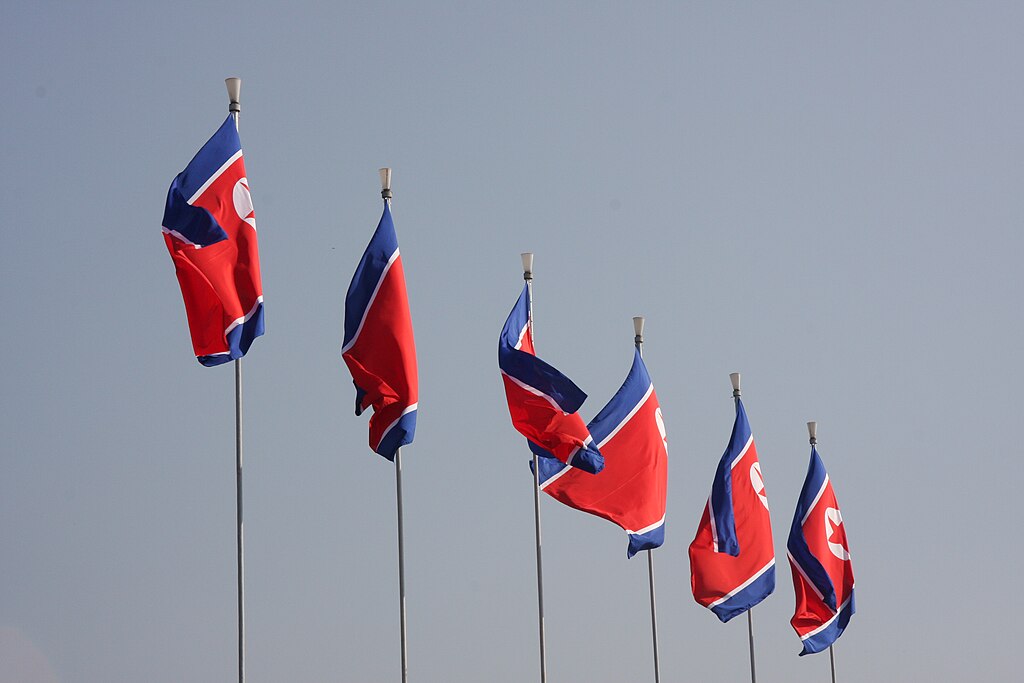
North Korea has once again heightened regional tensions after firing a ballistic missile toward the sea off its east coast, according to a statement released Sunday by South Korea’s Joint Chiefs of Staff. The missile is believed to have already landed in the sea, Japan’s Ministry of Defense confirmed, adding to concerns over Pyongyang’s continued weapons testing and military expansion.
This launch marks North Korea’s first ballistic missile test since November, signaling a renewed focus on military demonstrations at a time of heightened diplomatic activity in the region. The timing is particularly notable as South Korean President Lee Jae Myung began a state visit to China on Sunday. Analysts suggest that during meetings in Beijing, Lee may request China’s assistance in encouraging dialogue and reducing tensions with North Korea, given China’s influence over Pyongyang.
The missile test comes amid a broader push by North Korean leader Kim Jong Un to significantly expand the country’s weapons production capabilities. During a recent visit to a munitions factory, Kim called for more than doubling the production capacity of tactical guided weapons, according to reports from North Korea’s state media. This directive underscores Pyongyang’s determination to strengthen its military despite ongoing international sanctions.
In recent weeks, Kim Jong Un has conducted a series of high-profile inspections of weapons manufacturing facilities and strategic military assets. These include visits to factories producing advanced weaponry and a tour of a nuclear-powered submarine, highlighting North Korea’s focus on enhancing both conventional and nuclear capabilities. Kim has also personally overseen missile tests, reinforcing his hands-on approach to defense development.
These activities are unfolding ahead of the Ninth Party Congress of the Workers’ Party, scheduled for later this year. The congress is expected to outline North Korea’s major policy goals, including its military and defense strategy. As North Korea continues ballistic missile launches and accelerates weapons production, regional players such as South Korea, Japan, China, and the United States remain on alert, closely monitoring developments that could impact security and stability in Northeast Asia.







