


 Eli Lilly and Insilico Medicine Forge $2.75 Billion AI-Driven Drug Discovery Deal
  Norma Group Posts Revenue Decline in 2025, Eyes Modest Recovery in 2026
  TSMC Japan's Second Fab to Produce 3nm Chips by 2028
  SMIC Allegedly Supplies Chipmaking Tools to Iran's Military, U.S. Officials Warn
  BlackRock CEO Larry Fink Earns $37.7 Million in 2025 Amid Record Growth
  CTOC Adds 3,000 Doctors, 500 Hospitals Ahead of Liquidity Push
  Bank of America's $72.5M Epstein Settlement: What You Need to Know
  RBC Capital: European Medtech Firms Show Minimal Middle East and Energy Risk Exposure
  McDonald's and Restaurant Brands International Face Headwinds Amid Iran Conflict and Rising Costs
  Brazil Meat Exports Weather Iran War Disruptions With Rerouted Shipments
  Jefferies Upgrades Sodexo to Buy With €55 Target After Historic CEO Appointment
  Brown-Forman and Pernod Ricard in Merger Talks to Create World's Largest Spirits Giant
  Ukrainian Drones and the #MadeByHousewives Movement: Kyiv Fires Back at Rheinmetall CEO
  Unilever and Magnum Face Defamation Lawsuit Over Ben & Jerry's Board Chair Dismissal
  Cybersecurity Stocks Tumble After Anthropic's Claude Mythos AI Leak Sparks Market Fears
  Cathay Pacific Holds Firm on Flight Capacity Amid Middle East Conflict and Rising Fuel Costs
  Russell 1000 Companies Hit $2.2T Cash Record While Aggressively Reinvesting in Growth


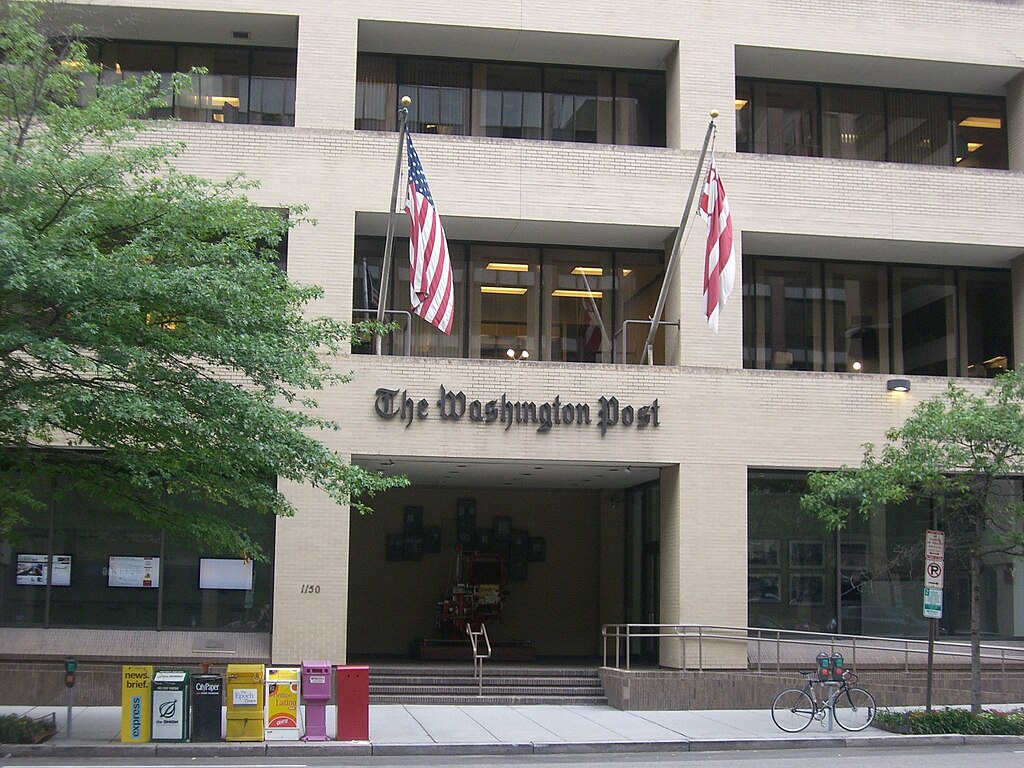
Washington Post publisher and CEO Will Lewis announced that he is stepping down from his role, according to a message shared with staff and later posted publicly by White House bureau chief Matt Viser on Saturday. The announcement comes shortly after the newspaper carried out widespread layoffs, a move that has intensified scrutiny of leadership decisions and the publication’s broader strategy amid ongoing challenges in the media industry.
Lewis, who took on the dual role of publisher and chief executive officer, informed employees of his decision in an internal message that quickly drew attention after being shared online. While the statement did not go into extensive detail about the reasons behind his departure, the timing has fueled discussion, as it followed a week marked by significant job cuts at the storied newspaper. The Washington Post, like many major news organizations, has been grappling with declining advertising revenue, shifts in digital subscriptions, and rising operational costs.
The layoffs affected multiple departments and reflected a broader effort to restructure the organization and stabilize finances. For many staff members, the announcement of Lewis’s exit added another layer of uncertainty during an already difficult period. Industry observers note that leadership changes following layoffs are not uncommon, especially as media companies attempt to adapt to a rapidly evolving digital landscape.
Matt Viser’s post highlighting Lewis’s message quickly spread across social media, drawing reactions from journalists, media analysts, and readers. Some expressed concern about the future direction of the Washington Post, while others viewed the leadership change as an opportunity for a reset. The paper, owned by Amazon founder Jeff Bezos, has long been regarded as one of the most influential newspapers in the United States, particularly for its political coverage and investigative journalism.
As the Washington Post moves forward, attention will turn to who will replace Lewis and how new leadership will address ongoing financial pressures while maintaining journalistic standards. For now, Lewis’s departure marks a significant moment for the newspaper, underscoring the challenges facing legacy media organizations in a competitive and changing news environment.







