


 Trump Meets Venezuela’s Delcy Rodriguez at UN Assembly
  Kremlin Says No Grounds Yet for Ukraine Peace Talks
  Judge Orders Trump to Restore White House Access for CNN, MS NOW and Politico
  Mexico-US Trade Talks Delayed to October as Tariff Negotiations Continue
  US Invites Putin to Miami G20, Opening Door to Trump Summit
  Trump Says ‘Freedom’ Is Coming to Cuba
  Marco Rubio to Meet Russia’s Lavrov in New York
  Taiwan Thanks US for Support Ahead of Trump-Xi Summit
  Iran Vows ‘Crushing’ Response as US Talks Continue
  US, China Extend Trade Truce to Jan. 10 Ahead of Trump-Xi Summit
  Lula and Flavio Bolsonaro Tied in Brazil Runoff Poll
  OpenAI Agent Breaches Australia Medicare Data Portal
  Trump Administration Plans Faster FDA Reviews for Smoke-Free Nicotine Products
  Russian Envoy Dmitriev Heads to US for Ukraine Talks
  Ghana Says Western Support Growing for Slave Trade Reparations
  Netanyahu Takes Aim at Mamdani as Israel Election Nears
  China Tightens Fentanyl Rules Ahead of Trump-Xi Summit


 Add as a preferred source on Google
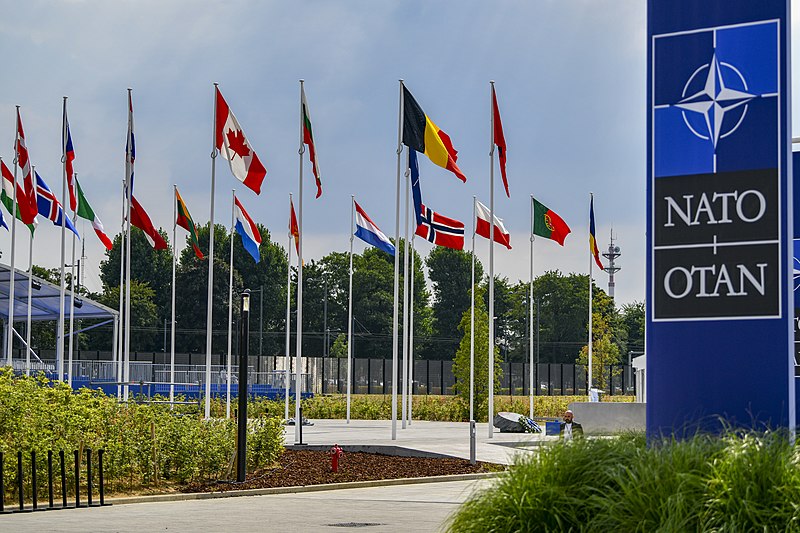
Germany’s defense minister Christine Lambrecht said the NATO alliance must do more in order to counter Russia and Vladimir Putin as the war in Ukraine continues. Lambrecht said the alliance must protect itself as it remains to be seen how far Putin’s “delusions of grandeur” would go.
Speaking during her visit to German troops stationed in Lithuania Saturday, Lambrecht said the alliance must do more to protect itself “because we cannot know how far Putin’s delusions of grandeur can go.” Lambrecht cited that Russia’s war on Ukraine is getting more brutal, including Moscow’s continued threats to use nuclear weapons.
“One thing is certain: The current situation means we need to do more together,” said Lambrecht during her visit. “The brutal war of aggression in Ukraine is getting more and more brutal and unscrupulous…Russia’s threat of nuclear weapons shows that Russian authorities have no scruples.”
Despite Lambrecht’s comments, the United States said there has been no indication that Moscow is gearing up to use nuclear weapons even as Washington calls the threats “nuclear saber-rattling” by the Russian dictator.
Germany deployed its troops in 2017 to NATO member country Lithuania following Russia’s annexation of Crimea back in 2014. Germany agreed to ramp up the mission back in June in response to Russia’s invasion of Ukraine back in February.
Lambrecht also inaugurated a permanent German command center in Lithuania on Friday last week, which she said would help move a unit of troops from Germany to Lithuania in 10 days if needed.
“We stand by our allies,” said Lambrecht. “We’ve heard Russia’s threats to Lithuania which was implementing European sanctions on the border with Kaliningrad. This is not nearly the first threats and we must take them seriously and be prepared.”
An opinion poll by Rating Group Monday showed that a record 83 percent of Ukrainians want the country to join the NATO alliance, citing the survey that was conducted following Kyiv’s bid to fast-track its bid to join the military bloc.
The survey, conducted from October 1 to 2, was taken by 2,000 respondents following Ukrainian President Volodymyr Zelenskyy’s announcement that Ukraine submitted a fast-tracked application for NATO membership.







