


 Trump to Press Xi on Release of US Nuclear Expert Held in China
  Macron, Trump Discuss Ukraine-Russia Energy Strike Moratorium
  Canada Unveils Bill to Fast-Track Major Resource Projects
  Scott Bessent Eyed as Trump’s New AI Czar
  Marco Rubio to Meet Russia’s Lavrov in New York
  Vietnam, US Trade Deal Could Be Signed Soon, To Lam Says
  Sudan Rejects US Legitimacy Remarks, Defends Sovereignty
  Burnham Eyes UK Leadership Role in AI Ahead of Trump Meeting
  Russian Envoy Dmitriev Heads to US for Ukraine Talks
  Trump Says ‘Freedom’ Is Coming to Cuba
  Ghana Says Western Support Growing for Slave Trade Reparations
  US, China Extend Trade Truce to Jan. 10 Ahead of Trump-Xi Summit
  US Officials Split Over Response to Israeli West Bank Settlements
  Kremlin Says No Grounds Yet for Ukraine Peace Talks
  Venezuela Promises Elections as Delcy Rodriguez Pledges Democratic Transition
  Trump Administration Plans Faster FDA Reviews for Smoke-Free Nicotine Products
  Lula and Flavio Bolsonaro Tied in Brazil Runoff Poll


 Add as a preferred source on Google
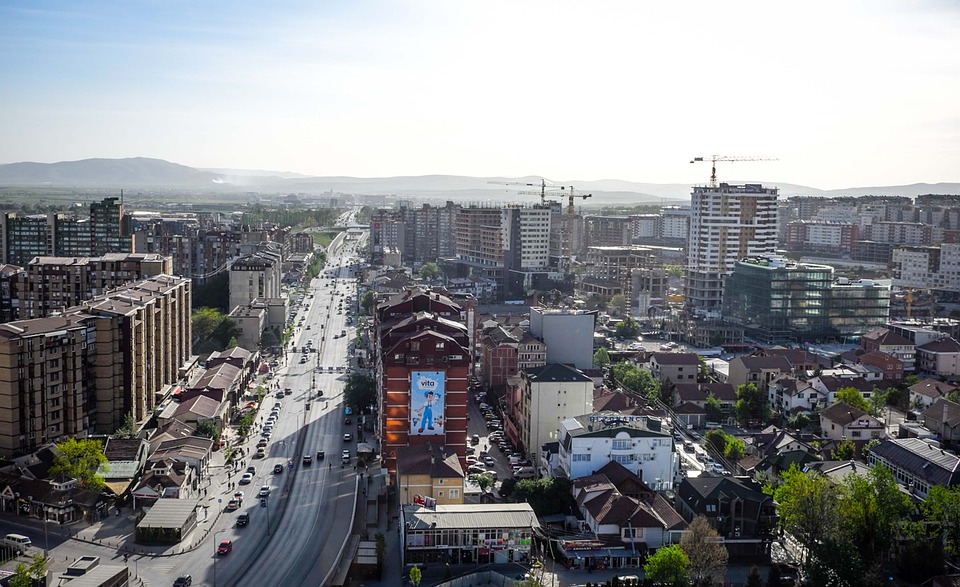
A few nations in the Balkan region are growing concerned regarding the ongoing conflict in Russia as it continues its offensive on Ukraine. The nations of Kosovo, Bosnia, and Herzegovina are now calling for membership in the NATO alliance.
The leaders of Kosovo, Bosnia, and Herzegovina are calling to join the alliance, citing that joining NATO would preserve security in the region. This comes as the ongoing invasion of Ukraine has led to fears that the war may spread out into the Western Balkan region. To note, Russia’s advances in the region have been widely documented over the years and included the attempts to stage a coup in Montenegro and North Macedonia before they became NATO members in 2017 and 2020.
Bosnian defense minister Sifet Podzic said the country is participating in the Membership Action Plan, which is believed to be the “last step before gaining membership” in the alliance. However, much like with Ukraine, Russia has opposed Bosnia’s aspiration to join the alliance. The Russian embassy in Bosnia’s capital Sarajevo said last year that Moscow may respond should the nation proceed with joining the alliance.
Kosovo President Vjosa Osmani viewed the Russian ambassador’s remarks in an interview that aired on Bosnian television as Russia having a “destructive interest in our region.”
“They especially have an interest in attacking Kosovo, Bosnia, and Herzegovina and to some extent also Montenegro,” Osmani told Al Jazeera.
Bosnia and Kosovo have suffered killings by Serbian forces back in the 1990s during the administration of Serbian President Slobodan Milosevic, and both nations have sought to join the NATO alliance. Both nations are also the last non-NATO members in the region aside from Serbia. Serbia sees NATO as an enemy.
Back in March, NATO allies have agreed to ramp up the alliance’s eastern flank with four additional battle units and send further assistance to Ukraine as it continues its resistance against Russian forces.
“Today, NATO leaders agreed to reset our deterrence and defense for the longer term to face a new security reality,” NATO Secretary-General Jens Stoltenberg told reporters at the time following a meeting in Brussels.







