


 SpaceX Pivots Toward Moon City as Musk Reframes Long-Term Space Vision
  FDA Adds Fatal Risk Warning to J&J and Legend Biotech’s Carvykti Cancer Therapy
  Trump Administration Releases New UFO Files and Apollo Mission Records
  NASA's Artemis II Crew Arrives in Florida for Historic Moon Mission
  Trump Administration to Launch Autism Initiatives Targeting Acetaminophen Use and New Treatment Options
  SpaceX Prioritizes Moon Mission Before Mars as Starship Development Accelerates
  SpaceX Delays Starship V3 Launch Ahead of Potential Record IPO
  Trump and Merck KGaA Partner to Slash IVF Drug Costs and Expand Fertility Coverage
  Cogent Biosciences Soars 120% on Breakthrough Phase 3 Results for Bezuclastinib in GIST Treatment
  Blue Origin New Glenn Explosion Could Delay Launch Operations Until 2028
  Is space worth the cost? Accounting experts say its value can’t be found in spreadsheets


 Add as a preferred source on Google
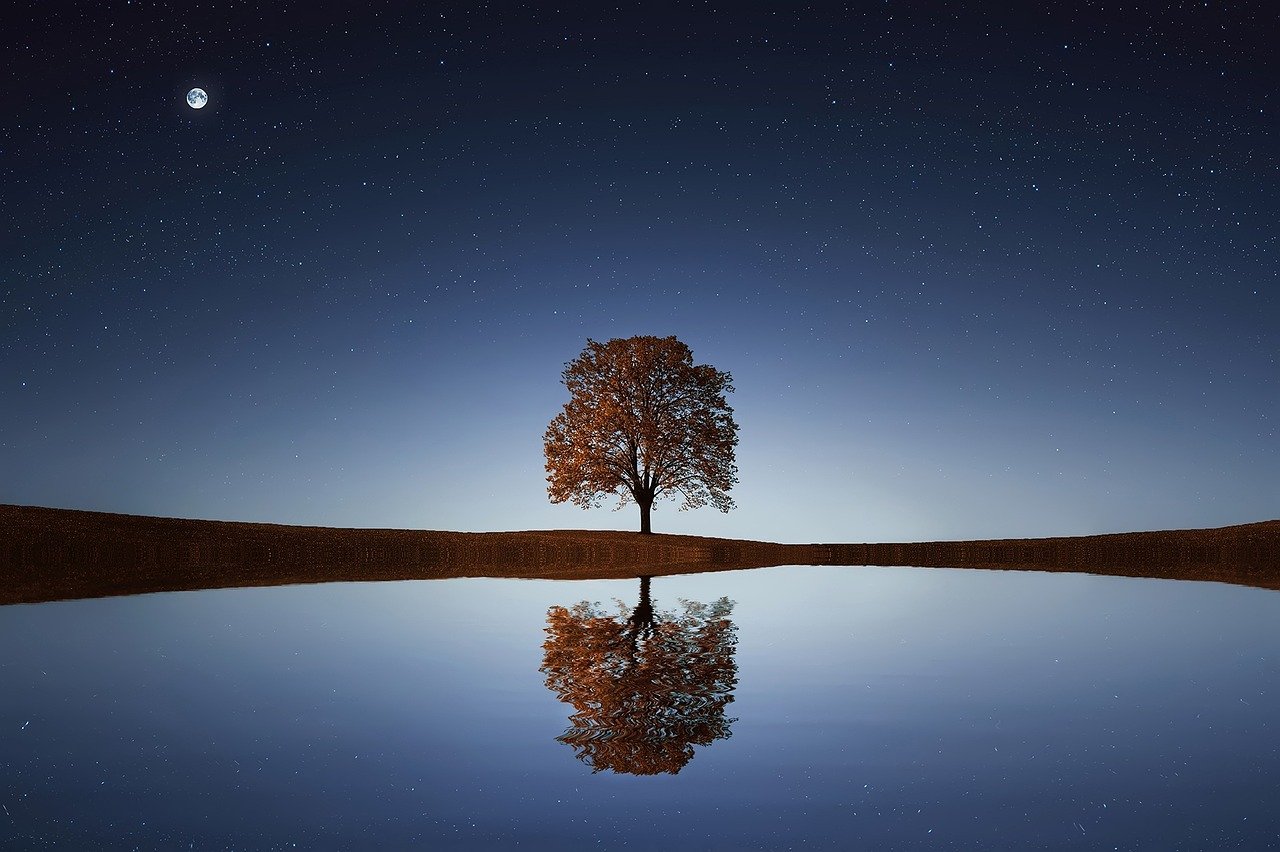
Not long after the discovery of phosphine on Venus, space agencies like NASA now have a renewed enthusiasm in the search for life outside Earth. A group of scientists has recently proposed another approach to see if there is life on other planets.
A group of NASA-backed researchers from Northern Arizona University has presented a method of telling whether there is life in exoplanets. The method they proposed involved the shadows cast by trees. They explained that trees, being multicellular life forms, may cast shadows at very high angles of the sun. These shadows could distinguish them from single-celled life forms. These shadows could be observed by space telescopes, and the kind of shadows that will be cast can help determine if there are similar life forms on other planets.
“Earth has more than three trillion trees and each cast shadows differently than inanimate objects,” said the study’s lead author Professor Chris Doughty. “If you go outside at noon, almost all shadows will be from human objects or plants and there would be very few shadows at this time of day if there wasn’t multicellular life.”
According to Doctorate student Andrew Abraham of the University of Arizona, who was also involved in the study, the challenge their method faces would be that any space telescope could only rely on one pixel to determine whether or not there would be life on other planets. Thus, the researchers had to make sure that any shadows that would be picked up by the space telescopes were really multicellular life forms and not other objects like craters.
From other planets to the moons of our other planets in the Solar System, a study that was published in the journal Astronomy and Astrophysics found that life may be present in one of Saturn’s moons, Titan. The researchers analyzed the chemical components that could be found on Titan and discovered that this particular moon is the only other place aside from Earth to have liquid rivers, lakes, and seas, on the surface.
Despite the presence of liquid rivers and other bodies of water, NASA says those bodies of liquid are made up of methane.







