


 Cogent Biosciences Soars 120% on Breakthrough Phase 3 Results for Bezuclastinib in GIST Treatment
  Neuren Pharmaceuticals Surges on U.S. Patent Win for Rare Disorder Drug
  Astronomers have discovered another puzzling interstellar object − this third one is big, bright and fast
  Trump Administration to Launch Autism Initiatives Targeting Acetaminophen Use and New Treatment Options
  NASA Resumes Cygnus XL Cargo Docking with Space Station After Software Fix
  SpaceX Starship Explodes in Texas During Test, Citing Nitrogen Tank Failure
  Trump Signs Executive Order to Boost AI Research in Childhood Cancer
  Lost in space: MethaneSat failed just as NZ was to take over mission control – here’s what we need to know now
  Neuralink Expands Brain Implant Trials with 12 Global Patients
  SpaceX Prioritizes Moon Mission Before Mars as Starship Development Accelerates
  Eli Lilly’s Inluriyo Gains FDA Approval for Advanced Breast Cancer Treatment
  FDA Adds Fatal Risk Warning to J&J and Legend Biotech’s Carvykti Cancer Therapy


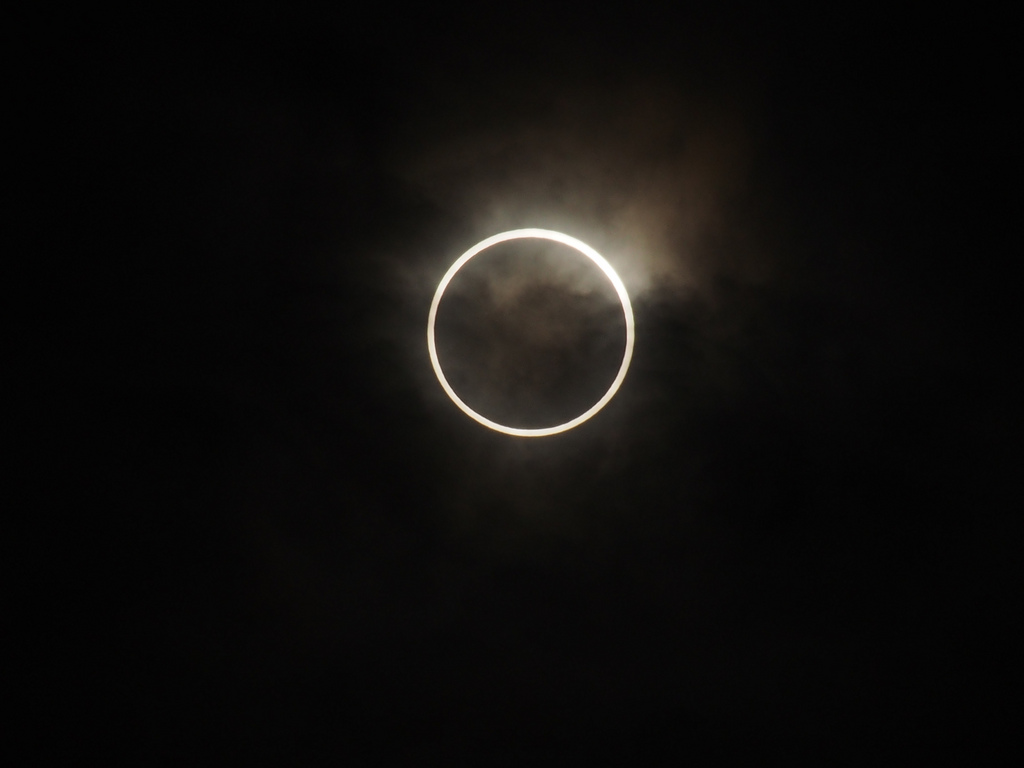
On August 21st, a solar eclipse that will completely blot out the sun was announced to happen by NASA. In an attempt to gather as much data about the celestial event as possible, the space agency is asking every single American to use the app it released and participate in a nationwide science project. This will make every person in the US a potential contributor to science.
The initiative is part of the program called Global Learning and Observations to Benefit the Environment (GLOBE) and in the official press release, NASA is inviting US citizens to submit recorded data that could be useful in a lot of fields. The app accompanying the project is apparently easy to use and is also free.
“On Aug. 21, a total solar eclipse will occur across the entire continental United States. Crossing the country from Oregon to South Carolina over the course of an hour and a half, 14 states will experience night-like darkness for approximately two minutes in the middle of the day. The eclipse enters the U.S. at 10:15 a.m. PDT off the coast of Oregon and leaves U.S. shores at approximately 2:50 p.m. EDT in South Carolina,” the press release reads.
With regards to participation, it’s a simple matter of downloading the app and having a room thermometer at hand, Mashable reports. The instructions on what to do with the measuring device and what data users should look out for will be included with the app.
In terms of unusual properties, this upcoming solar eclipse is not expected to exhibit unique properties of any kind. However, considering the impact that the sun and moon have on the planet’s climates, any changes involving these two celestial bodies would be worthy of note. This is especially important now that climate change is kicking into high gear.













