


 Abbas Reaffirms November 28 Palestinian Elections
  Mexico-US Trade Talks Delayed to October as Tariff Negotiations Continue
  Sudan Rejects US Legitimacy Remarks, Defends Sovereignty
  Judge Orders Trump to Restore White House Access for CNN, MS NOW and Politico
  What ‘Taiwan Independence’ Means as Xi Presses Trump on US Policy
  Najib Razak Seeks Stay of 15-Year 1MDB Prison Sentence
  Ghana Says Western Support Growing for Slave Trade Reparations
  Pezeshkian Says US Must Choose When Iran War Ends
  North Korea Warns South Korea Over US-Led Defense Role
  Russian Missile and Drone Attack on Kyiv Kills Two, Damages Maternity Hospital
  Trump, Xi Focus on Trade and AI at White House Summit
  Trump Asks Supreme Court to Restore Third-Country Deportations
  France Defends Netanyahu Airspace Clearance Despite ICC Warrant
  Trump, Xi Visit US National Archives After White House Summit
  US Backs Musk in Fight Against EU’s €120 Million X Fine
  Yemen Violence Displaces 130,000 as Civilian Toll Rises
  NATO Boosts Intelligence Sharing Amid Russia Hybrid Threats


 Add as a preferred source on Google
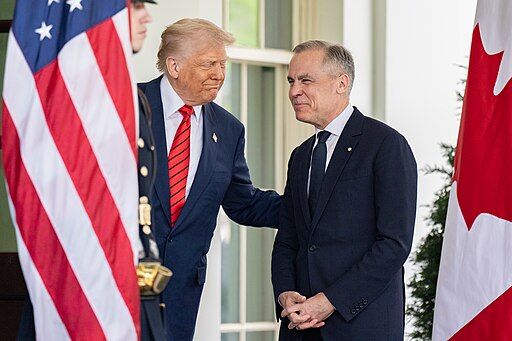
Canadian Prime Minister Mark Carney reportedly softened his stance on controversial remarks he made at the World Economic Forum in Davos following a direct phone call with U.S. President Donald Trump. According to U.S. Treasury Secretary Scott Bessent, Carney “aggressively” walked back some of his earlier comments during the conversation, signaling an effort to ease tensions between the two North American allies.
Speaking Monday night on Fox News’ “Hannity” program, Bessent said he was present in the Oval Office when President Trump spoke with Carney. Bessent described the Canadian leader’s shift in tone as notable, especially given the strong international reaction to Carney’s recent speech in Davos. During that address, Carney urged global leaders to recognize what he characterized as the end of a rules-based international order, a statement that drew both praise and criticism on the world stage.
The Davos speech earned Carney a rare standing ovation from the audience, underscoring the resonance of his message among global elites and policymakers. However, the remarks also raised concerns in Washington, particularly as the United States continues to emphasize stability, alliances, and established frameworks in global trade and diplomacy. The subsequent call between Trump and Carney appears to have been aimed at clarifying Canada’s position and reaffirming bilateral ties.
As of late Monday, Carney’s office had not responded to media requests for comment regarding either the Davos speech or the reported conversation with President Trump. The lack of immediate clarification has fueled speculation about how Canada plans to position itself in an increasingly fragmented global landscape.
The exchange highlights the delicate balance world leaders face when addressing global economic and political shifts while maintaining strong relationships with key partners like the United States. For investors, policymakers, and international observers, the incident serves as a reminder of how quickly diplomatic messaging can reverberate across borders and require swift recalibration at the highest levels of government.







