


 France Defends Netanyahu Airspace Clearance Despite ICC Warrant
  Netanyahu Takes Aim at Mamdani as Israel Election Nears
  US Backs Musk in Fight Against EU’s €120 Million X Fine
  Trump, Xi Focus on Trade and AI at White House Summit
  Rodrigo Duterte Makes First Public Appearance at ICC in 18 Months
  EU Defence Build-Up Too Slow for 2030 Russia Readiness Goal
  Russian Missile and Drone Attack on Kyiv Kills Two, Damages Maternity Hospital
  Ecuador Court Convicts Ex-President Lenin Moreno in Bribery Case
  North Korea Warns South Korea Over US-Led Defense Role
  South Korea, US Discuss Warship Building Cooperation
  US Judge Dismisses Imran Ahmed Deportation Lawsuit
  Kremlin Says No Decision Yet on Putin-Trump December Summit
  Maduro Seeks Dismissal of US Drug Trafficking Charges
  ICE Agent Arrested in Minneapolis Over Venezuelan Man Shooting
  Netanyahu’s Brief US Trip Highlights Strains With Trump
  Brazil Court Suspends Sigma Lithium Mine Operations
  North Korea Rejects Nuclear Test Warning, Calls Nuclear Status Irreversible


 Add as a preferred source on Google
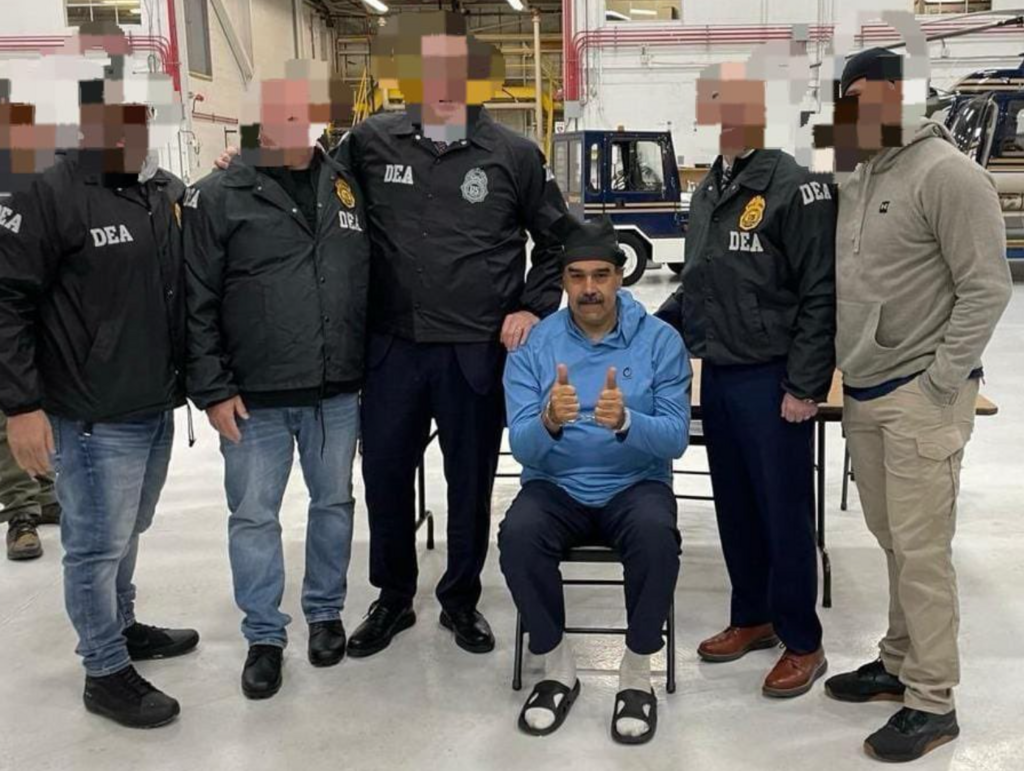
Venezuelan President Nicolás Maduro is expected to appear before a U.S. federal court in New York following his dramatic capture by American forces over the weekend, an event that has sharply escalated tensions in Latin America and sent shockwaves through global markets. The arrest comes amid renewed warnings from U.S. President Donald Trump, who has suggested that further military action remains on the table if Venezuela’s leadership does not cooperate with Washington’s demands.
Speaking to reporters on Sunday, Trump said the United States could authorize additional operations if Venezuela fails to open its oil industry to U.S. companies and take stronger action against drug trafficking. He also issued broader warnings, mentioning potential military measures involving Colombia and Mexico, while claiming that Cuba’s communist government is nearing collapse. Officials from Colombia and Mexico did not immediately respond to requests for comment.
Maduro was detained during a U.S. military raid in Caracas on Saturday, an operation that has sparked international concern and uncertainty within Venezuela. The Trump administration has framed the move as a law enforcement action tied to long-standing criminal charges filed in 2020, accusing Maduro of narco-terrorism and conspiring with major drug trafficking organizations. Prosecutors allege Maduro used state institutions, including the military, to facilitate cocaine trafficking and protect criminal groups.
Trump, however, acknowledged that broader issues influenced the decision, citing illegal immigration flows and Venezuela’s past nationalization of U.S. oil assets. He reiterated that American oil companies would return to Venezuela, investing billions to rebuild its petroleum sector. Following the news, global oil prices rose modestly as investors weighed the geopolitical risks.
Despite Maduro’s detention, his government remains in control in Caracas. Vice President Delcy Rodríguez has assumed an interim leadership role, insisting that Maduro is still the legitimate president and rejecting claims that she is aligned with U.S. policy goals.
The arrest has drawn criticism from several countries, with questions raised about the legality of seizing a sitting head of state. The United Nations Security Council is set to discuss the issue, as concerns grow over regional stability in a country already devastated by economic collapse and mass migration.







