


 Russia-Ukraine Drone Attacks Escalate as Strikes Hit Moscow, Kyiv and Romania
  UN Chief Raises Concern Over US Sanctions on ICC Officials
  Trump Eyes Kim Jong Un Meeting, Cites North Korea’s 57 Nuclear Weapons
  Israeli Airstrike Kills Six Palestinians in Gaza as Trump Peace Plan Stalls
  Angie Nixon Scores Florida Senate Primary Upset as Key Midterm Races Take Shape
  Trump Says Kim Jong Un Responded to Outreach After US Scales Back South Korea Military Drills
  Trump Approval Rating Hits Presidency Low as Iran War Concerns Grow
  Trump Says Iran Talks Halted as Hormuz Dispute Pushes Oil Higher
  Trump Says Iran Should Surrender as Nuclear Deal Talks Stall
  Canada Faces 50% U.S. Tariffs as Trade Tensions Threaten USMCA Talks
  Gaza Zoo Struggles to Save Animals Amid War
  Israel Strikes Syrian Airbase Near Aleppo, Raising Tensions With Turkey
  Israel, Syria Discuss Turkey’s Military Presence Before Airstrike
  Pentagon Weighs Permanent U.S. Military Drawdown in Persian Gulf
  Ukraine Names Yevhenii Khmara Defence Minister Amid Election Row
  South Korea’s Lee Calls for Stronger Defence as US Eyes Reduced Joint Drills
  US, South Korea Cut Joint Military Drills After Trump Orders Reduced Role


 Add as a preferred source on Google
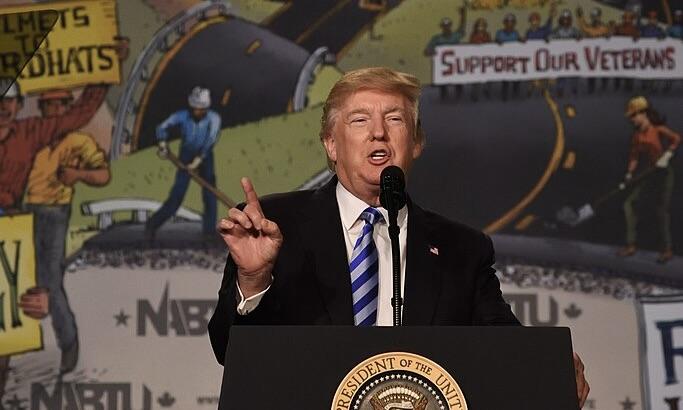
President-elect Donald Trump has outlined a comprehensive strategy to enhance community policing programs in 2025, emphasizing a "law and order" approach. This plan includes increased funding for law enforcement, the reintroduction of aggressive policing tactics, and the expansion of federal oversight.
Increased Funding and Support for Law Enforcement
Central to Trump's strategy is a significant boost in federal funding to assist local police departments in recruiting, training, and retaining officers. This initiative aims to strengthen community policing efforts and improve public safety. The administration plans to provide resources for advanced training programs focused on de-escalation techniques and community engagement, fostering trust between law enforcement and the communities they serve.
Reintroduction of Aggressive Policing Tactics
The plan advocates for the reinstatement of proactive policing methods, such as "stop-and-frisk," particularly in areas with high crime rates. This approach is intended to deter criminal activity and enhance the visibility of law enforcement in communities. However, such tactics have previously faced criticism for disproportionately affecting minority communities and raising concerns about civil liberties.
Expansion of Federal Oversight and Coordination
Trump's proposal includes directing the Department of Justice to investigate and oversee local prosecutor's offices, especially those perceived as lenient on crime. The administration aims to ensure that local jurisdictions enforce laws uniformly and uphold public safety standards. Additionally, there is a focus on enhancing cooperation between local law enforcement and federal agencies, such as Immigration and Customs Enforcement, to address issues like illegal immigration and drug trafficking.
Community Engagement and Trust-Building Initiatives
Recognizing the importance of community trust, the plan proposes initiatives to improve relations between police and residents. This includes programs that encourage community involvement in public safety efforts and the establishment of advisory boards to facilitate dialogue between law enforcement and community leaders. The administration also plans to invest in mental health services and social programs to address underlying issues contributing to crime.
Critiques and Concerns
Critics argue that the reintroduction of aggressive policing tactics may lead to increased tensions between law enforcement and communities, particularly among minorities. Civil rights organizations express concerns that such measures could result in violations of civil liberties and exacerbate existing disparities in the criminal justice system. Advocates for police reform emphasize the need for accountability and caution against policies that may undermine efforts to build trust between police and the communities they serve.
Conclusion
President-elect Trump's plans for community policing in 2025 reflect a commitment to bolstering law enforcement capabilities and addressing crime through assertive measures. While the administration emphasizes the importance of community engagement, the proposed strategies have sparked debate about their potential impact on civil liberties and community relations. As these policies are implemented, their effectiveness in enhancing public safety while maintaining community trust will be closely scrutinized.
Netizens' Reactions
- @JusticeForAll: "Reintroducing stop-and-frisk? This is a step backward for civil rights."
- @BlueLivesMatter: "Glad to see support for our officers. Increased funding is essential for community safety."
- @CommunityAdvocate: "Building trust requires more than aggressive tactics. We need genuine engagement."
- @LibertyLover: "Federal oversight of local prosecutors? Sounds like government overreach to me."
- @SafetyFirst: "If these measures reduce crime, I'm all for them. Our neighborhoods need to be safe."
- @EqualityNow: "Policies like these disproportionately impact minorities. We should focus on reform, not regression."







