


 Mexico-US Trade Talks Delayed to October as Tariff Negotiations Continue
  Trump, Xi Visit US National Archives After White House Summit
  Russian Missile and Drone Attack on Kyiv Kills Two, Damages Maternity Hospital
  US Senate Rejects Iran War Powers Resolution in 50-49 Vote
  South Korea, US Discuss Warship Building Cooperation
  EU Defence Build-Up Too Slow for 2030 Russia Readiness Goal
  Abbas Reaffirms November 28 Palestinian Elections
  What ‘Taiwan Independence’ Means as Xi Presses Trump on US Policy
  Pezeshkian Says US Must Choose When Iran War Ends
  OpenAI Agent Breaches Australia Medicare Data Portal
  Najib Razak Seeks Stay of 15-Year 1MDB Prison Sentence
  Judge Orders Trump to Restore White House Access for CNN, MS NOW and Politico
  Saudi Arabia, Turkey and Pakistan Plan Urgent Defence Talks Over Houthi Attacks
  Netanyahu Takes Aim at Mamdani as Israel Election Nears
  France Defends Netanyahu Airspace Clearance Despite ICC Warrant
  Netanyahu’s Brief US Trip Highlights Strains With Trump
  Ghana Says Western Support Growing for Slave Trade Reparations


 Add as a preferred source on Google
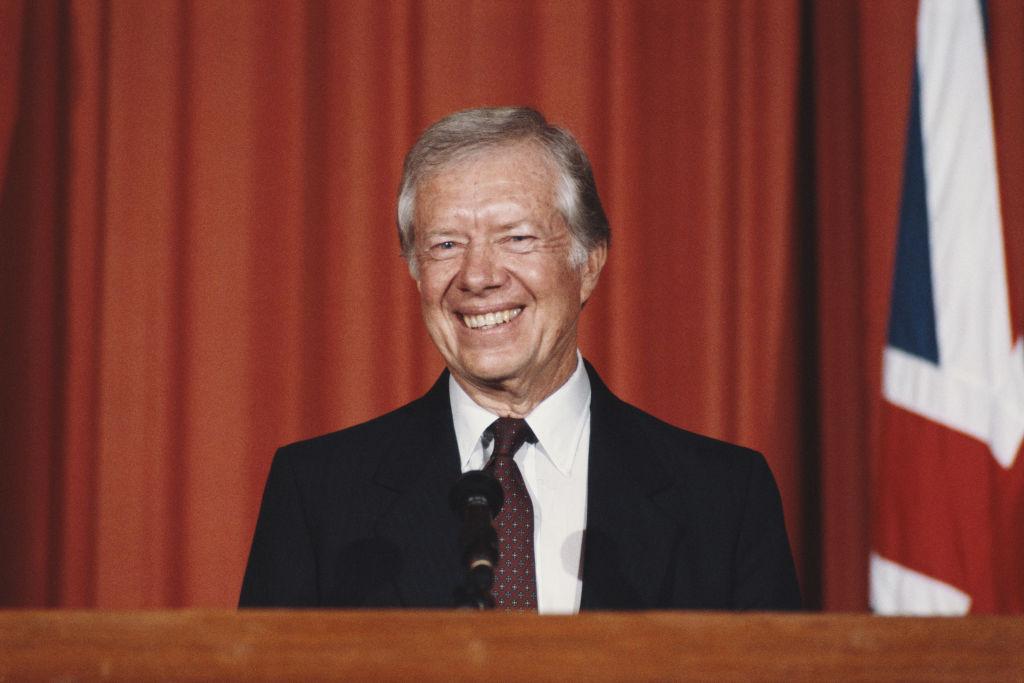
Former U.S. President Jimmy Carter’s historic decision to transfer control of the Panama Canal to Panama has resurfaced as a point of contention, following accusations by President-elect Donald Trump. Carter, who passed away on Sunday at age 100, regarded the move as one of the defining moments of his presidency. However, Trump’s allegations that Carter “sold it for one dollar” have reignited discussions over the treaties that shaped U.S.-Latin American relations.
Understanding the Torrijos-Carter Treaties
In 1977, President Carter signed the Torrijos-Carter Treaties with Panamanian leader Omar Torrijos. These agreements outlined a 20-year transition period during which Panama would gradually assume full control of the canal. The treaties, implemented on December 31, 1999, also included a guarantee of permanent neutrality, ensuring the canal’s continued operation as an international trade route.
Despite fierce opposition at the time, Carter maintained that the treaties were essential for correcting historical injustices and fostering goodwill with Latin America. His administration negotiated financial aid, including $345 million in loans and military credits, to support Panama’s transition and ensure the canal’s successful management.
Trump’s Renewed Criticism
Donald Trump, in recent statements on his social media platform Truth Social, accused Carter of “giving away” the canal, a critical maritime route connecting the Atlantic and Pacific Oceans. Trump claimed that Carter’s decision weakened U.S. strategic interests and allowed foreign nations to influence the region. He has since suggested that his administration might seek to regain control of the canal.
Historians and fact-checkers, however, have refuted Trump’s claims. The transfer of the canal was a diplomatic agreement, not a financial transaction. The treaties represented a broader shift in U.S. foreign policy, prioritizing equity and collaboration over unilateral control.
Public and Expert Reactions
The controversy has sparked widespread reactions across social media. User @HistoryMatters23 commented, “The Panama Canal transfer was not a sale but a necessary step for global diplomacy. Get the facts right!” Another user, @CanalWatcher, posted, “Jimmy Carter’s decision strengthened U.S.-Panama ties. Misrepresenting history doesn’t change its importance.”
Others voiced skepticism about the motives behind Trump’s remarks. “Trump’s obsession with undoing history is alarming,” wrote @PoliticalPulse. Meanwhile, @TradeRoutesNow tweeted, “The Panama Canal is a success story under Panama’s control. These claims only create unnecessary tension.”
A more balanced perspective came from @NeutralObserver, who said, “It’s valid to question historical decisions, but false claims undermine meaningful discussions.” User @GlobalPolicyGeek added, “Carter’s foreign policy legacy deserves respect, not misinformation.”
Legacy of the Panama Canal Transfer
The Panama Canal, now a key revenue source for Panama, generates billions annually. While Chinese investments in the region have raised geopolitical concerns, Carter’s decision remains a symbol of equitable diplomacy. Historians argue that the treaties exemplify Carter’s commitment to addressing global inequities, despite the domestic political cost.







