


 Gold Prices Fall as Treasury Yields Rise on Fed Rate Hike Bets
  Oil Prices Jump 3% as Houthi Attack Revives Supply Fears
  U.S. Dollar Hits Two-Month High as Oil, Treasury Yields Surge
  US 10-Year Treasury Yield at 6% Emerges as New Market Risk Threshold
  Oil Prices Fall on U.S.-Iran Hormuz Deal Hopes
  Australia Unemployment Hits Five-Year High Despite Strong Jobs Growth
  Canadian Dollar Faces Pressure as Fed-BoC Policy Gap Widens
  Asian Currencies Mixed as Dollar Holds Near Two-Month High
  US Stock Futures Fall as Treasury Yields Surge Ahead of Trump-Xi Summit
  RBI Uses $10 Billion Currency Swaps to Drain Excess Rupee Liquidity
  Wall Street Ends Flat as Oil, Treasury Yields and Fed Jitters Rattle Markets
  Asian Stocks Fall as Bond Yields Surge Ahead of Trump-Xi Summit
  Japanese Bank Stocks Surge as Bond Yields Fuel Rate Hike Bets
  Trump, Xi Focus on Trade and AI at White House Summit
  European Stocks Fall as Bond Yields and Geopolitical Risks Weigh
  Fed Unveils Stablecoin Rules Under GENIUS Act


 Add as a preferred source on Google
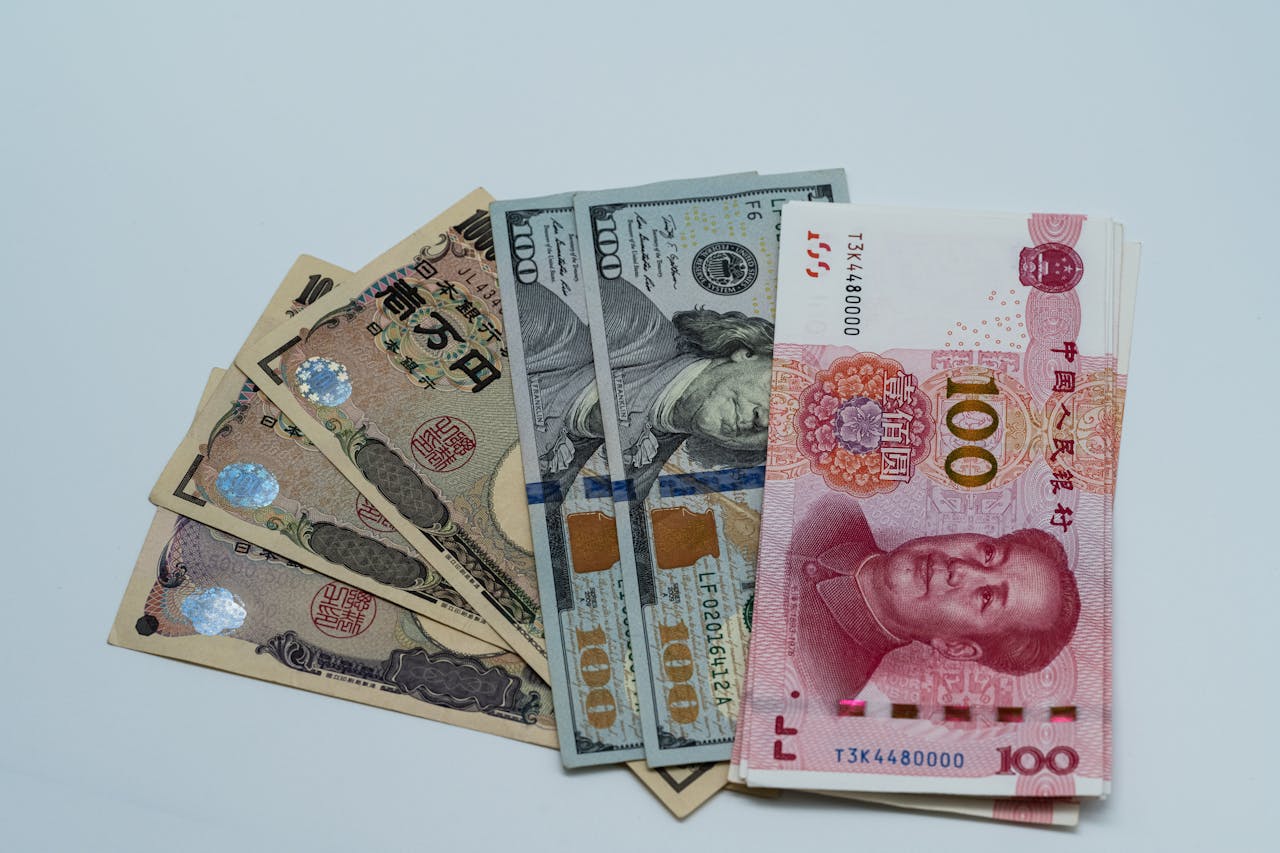
Two of Japan’s most influential business lobbying groups have called on the government to address the prolonged weakness of the yen, warning that the depreciating currency is driving up import costs, fueling inflation, and placing growing pressure on households and businesses. Their concerns were shared through separate interviews with domestic media, highlighting rising unease within Japan’s corporate sector over the broader economic impact of a weak yen.
Yoshinobu Tsutsui, chairman of Keidanren, Japan’s largest business lobby, acknowledged that a weak yen is often praised for its positive effects, particularly its ability to boost profits for exporters and large manufacturers. However, he cautioned that focusing only on these short-term benefits overlooks the long-term implications for Japan’s overall economic strength. From a national perspective, Tsutsui emphasized that a stronger yen would be more sustainable in the long run, suggesting that currency stability should be a priority for policymakers rather than continued reliance on export-driven advantages.
In a separate interview, Ken Kobayashi, chairman of the Japan Chamber of Commerce and Industry, echoed similar concerns, particularly regarding the impact on small and medium-sized enterprises. Kobayashi pointed out that many smaller firms are struggling with sharply rising costs for imported raw materials as the yen weakens. These higher input costs are squeezing profit margins and making it more difficult for businesses to operate efficiently, especially those without the pricing power to pass costs on to consumers.
The weak yen has also been a significant contributor to Japan’s recent inflation, further burdening households already facing higher prices for food, energy, and daily necessities. Kobayashi stressed that the government and the Bank of Japan must take steps to restore confidence among business owners, particularly those dependent on overseas imports, who increasingly feel powerless against currency-driven cost increases.
Together, the comments from Japan’s top business leaders underscore growing calls for coordinated government and central bank action to stabilize the yen, ease inflationary pressures, and support long-term economic resilience.







