


 Fairshake Backs 32 Pro-Crypto House Candidates
  Flavio Bolsonaro Surges as Family Scores Brazil Election Comeback
  US Caribbean Vessel Strike Kills Four
  Trump Gaza Peace Plan Stalls as Israel Retains Control
  Trump Orders Firing Squad Execution for Fort Hood Gunman
  Mexico Seeks US Evidence After Border Gunfire Claim
  US Army Tests Counter-Drone Technology Along Mexico Border
  OPEC+ Keeps November Oil Output Targets Steady
  Ukraine Faces $56 Billion Budget Gap as War Costs Soar
  Becton Dickinson to Invest $3 Billion in U.S. Medical Manufacturing
  US DOT Ends Airline Privacy Review Without Enforcement
  Trump Offers US Help to Russia After Plague Lab Worker Dies
  Trump Plans Diesel Tax Relief as Fuel Prices Hit Record Highs
  Yemen Launches Major Offensive to Retake Houthi-Held Areas
  India-US Trade Deal Talks Hit Plateau, Sitharaman Says
  California Woman Arrested Over Alleged Spying on Taiwan President’s Son
  ISIS Attack Near Kirkuk Kills Iraqi Policeman After US Withdrawal


 Add as a preferred source on Google
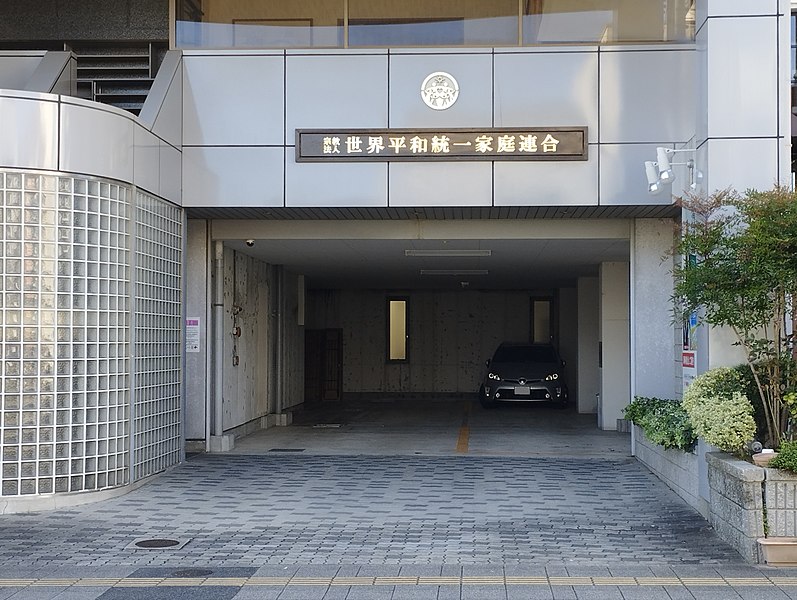
Authorities in Japan have begun an investigation into the controversial Unification Church this week. The probe could threaten the church’s legal status, as the country is still reeling from the assassination of former Prime Minister Shinzo Abe and the revelation of the governing party’s ties with the church.
The Japanese government launched a probe into the Unification Church Tuesday, following the public outrage that came from the assassination of Abe. Abe’s assassination also revealed the ties between members of the governing Liberal Democratic Party and the church. Culture minister Keiko Nagaoka told a news conference that the government has given the Unification Church until December 9 to answer questions about its finances and organization.
Following the inquiry, the ministry will determine whether to seek a court order that could potentially revoke the church’s legal standing, which could take several months and may be followed by a lengthy legal battle. The spokesperson for the Japan chapter of the church said that it expects to receive the first set of questions from the government on Wednesday and will cooperate with the probe.
The scrutiny of the government and the church follows the assassination of Abe back in July. The gunman, Tetsuya Yamagami, blamed the church for sending his mother into bankruptcy and said that Abe, who appeared in events sponsored by the church-affiliated groups, promoted the organization.
With the probe, the Unification Church, founded in South Korea in 1954, relies on its Japanese followers to be a source of income, and the investigation could offer a major financial blow that would affect its tax exemption status as well as its property holdings.
Friday last week, a district court in Japan ruled to reduce the length of the psychiatric evaluation of Yamagami, reversing the previous decision, according to the Kyodo news agency. The local court previously granted the request by prosecutors to continue Yamagami’s psychiatric evaluation until February 6, a three-month extension from the initial end date of November 29.
Yamagami’s attorneys appealed against the extension, arguing that an extension of three more months would be too long “and is illegal given that it is neither necessary nor reasonable,” according to the report. The district court in Nara ruled to end the evaluation on January 10.







