


 Abbas Reaffirms November 28 Palestinian Elections
  NATO Boosts Intelligence Sharing Amid Russia Hybrid Threats
  RBI Uses $10 Billion Currency Swaps to Drain Excess Rupee Liquidity
  Australia Unemployment Hits Five-Year High Despite Strong Jobs Growth
  Soybean Futures Slip as Traders Await Trump-Xi Trade Signals
  Russian Missile and Drone Attack on Kyiv Kills Two, Damages Maternity Hospital
  Fed Unveils Stablecoin Rules Under GENIUS Act
  Trump, Xi Focus on Trade and AI at White House Summit
  South Korea, US Discuss Warship Building Cooperation
  North Korea Rejects Nuclear Test Warning, Calls Nuclear Status Irreversible
  Gold Holds Near $4,275 as Rising Treasury Yields Fuel Fed Rate Hike Bets
  Wall Street Falls as Treasury Yields Surge, Oil Rebounds on Iran Tensions
  Asian Stocks Fall as Surging Bond Yields Rattle Markets
  US Stock Futures Fall as Treasury Yields Surge Ahead of Trump-Xi Summit
  Oil Prices Surge as U.S.-Iran Diplomacy Hopes Fade
  Netanyahu Takes Aim at Mamdani as Israel Election Nears
  Ukrainian Drone Attacks Hit Russian Regions, Injuring at Least 12


 Add as a preferred source on Google
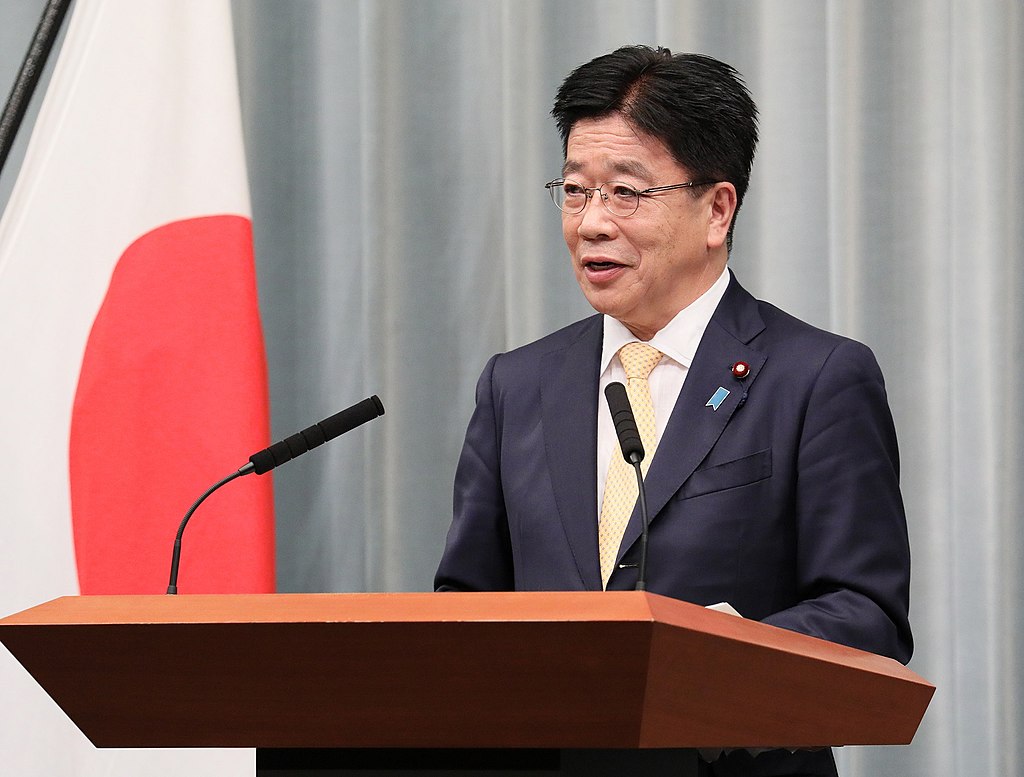
Japanese Finance Minister Katsunobu Kato suggested on Friday that the country’s vast holdings of U.S. Treasuries—exceeding $1 trillion—could potentially be used as leverage in trade talks with the United States. While Kato acknowledged during a televised interview that these holdings are primarily maintained to provide liquidity and stabilize the yen through intervention, he said that "all cards must be on the table" during negotiations.
Kato clarified, however, that merely recognizing the Treasuries as a tool doesn't imply Japan intends to use them in talks. His remarks mark a significant shift from his stance last month, when he dismissed the idea of involving U.S. Treasury holdings in trade-related strategies.
The comments came as Japanese and U.S. officials held a second round of high-level trade negotiations in Washington. The talks occur amid rising tensions following U.S. President Donald Trump’s aggressive tariff policies. A sharp sell-off in U.S. Treasuries earlier in April, triggered by reciprocal tariffs, rattled global markets and contributed to Trump announcing a 90-day pause on further tariffs.
Despite the pause, Japan remains under pressure. A 10% universal tariff is already in effect, and a 25% tariff on automobile exports—a critical component of Japan’s trade with the U.S.—looms large. An additional 24% tariff specific to Japan has been delayed until at least July.
Meanwhile, the U.S. dollar has faced significant declines as Trump’s erratic trade strategies undermine investor confidence. Japan’s nuanced stance on using its Treasury assets adds another layer of complexity to an already tense economic relationship between the two allies.







