


 Dollar Holds Near Two-Month High as Yen Approaches 160
  Japan Private-Sector Growth Slows as Domestic Demand Weakens
  China’s ‘Lipstick King’ Says AI Won’t Replace Livestream Hosts
  Trump, Xi Focus on Trade and AI at White House Summit
  European Stocks Fall as Bond Yields and Geopolitical Risks Weigh
  Russian Envoy Dmitriev Heads to US for Ukraine Talks
  OpenAI Agent Breaches Australia Medicare Data Portal
  Asian Stocks Fall as Bond Yields Surge Ahead of Trump-Xi Summit
  EU Defence Build-Up Too Slow for 2030 Russia Readiness Goal
  Soybean Futures Slip as Traders Await Trump-Xi Trade Signals
  Sudan Rejects US Legitimacy Remarks, Defends Sovereignty
  RBI Uses $10 Billion Currency Swaps to Drain Excess Rupee Liquidity
  Gold Holds Near $4,275 as Rising Treasury Yields Fuel Fed Rate Hike Bets
  South Korea, US Discuss Warship Building Cooperation
  Ukrainian Drone Attacks Hit Russian Regions, Injuring at Least 12
  Russian Missile and Drone Attack on Kyiv Kills Two, Damages Maternity Hospital
  Mexico-US Trade Talks Delayed to October as Tariff Negotiations Continue


 Add as a preferred source on Google
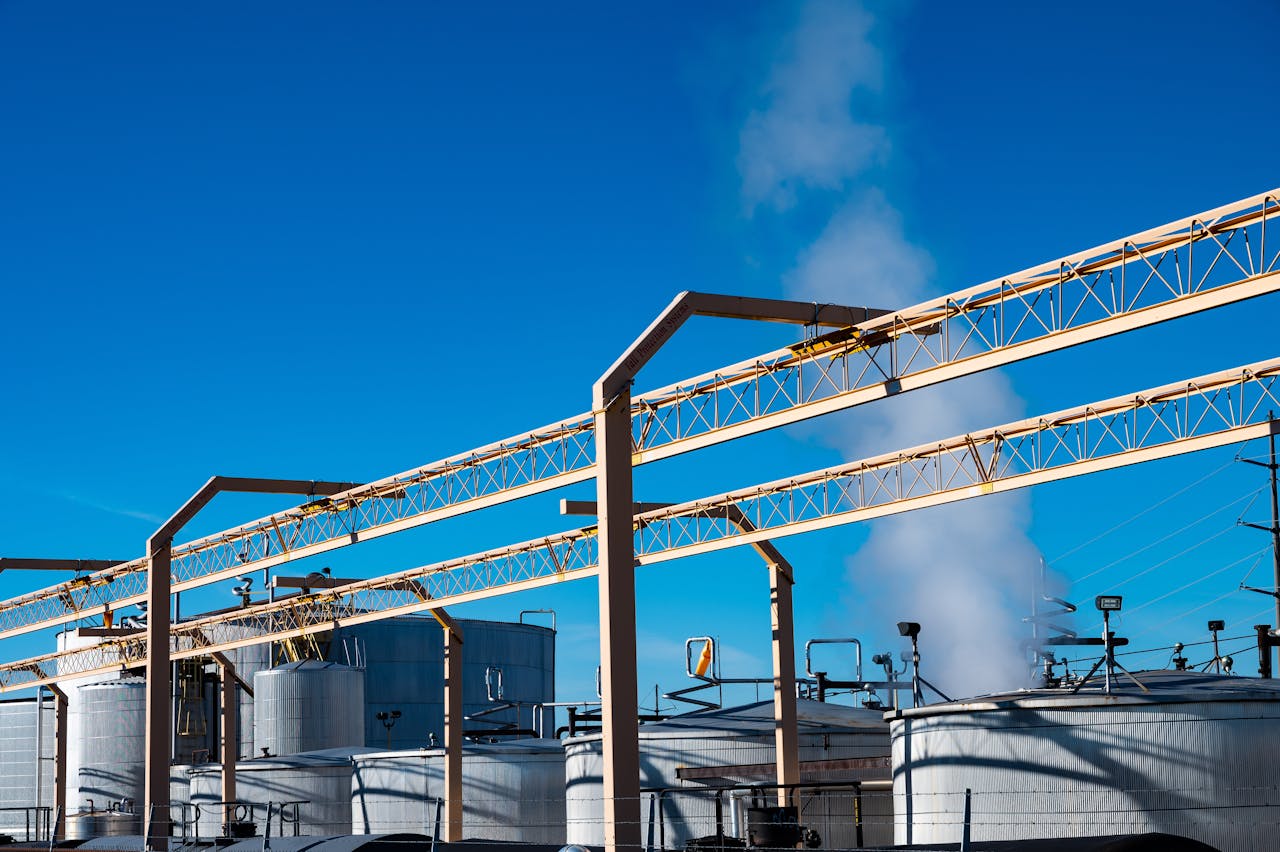
Iran has partially suspended operations at the South Pars gas field—its largest and the world’s biggest—following an Israeli airstrike that triggered a fire, according to semi-official Tasnim news agency. This marks the first confirmed Israeli attack on Iran’s oil and gas infrastructure, escalating an already tense regional conflict.
The South Pars field, located offshore in Iran’s southern Bushehr province and shared with Qatar, accounts for the bulk of Iran’s natural gas production. Iran, the world’s third-largest gas producer after the U.S. and Russia, produces approximately 275 billion cubic meters of gas annually—around 6.5% of global output. However, due to international sanctions, Iran consumes most of its gas domestically.
On Saturday, a fire broke out in one of the four operational units of Phase 14 at South Pars, halting the production of 12 million cubic meters of gas per day. The Iranian oil ministry confirmed the blaze has since been extinguished.
The strike comes amid Israel’s broader offensive on Iranian targets, which began Friday and has included the assassination of Iranian commanders and nuclear scientists. The operation aims to prevent Tehran from advancing its nuclear weapons program. Oil prices surged 9% on Friday in response to the initial attacks, even though Israel had initially avoided Iran’s energy sector.
Qatar, which refers to the shared gas field as the North Field, partners with global energy giants like ExxonMobil and Shell to produce 77 million tonnes of liquefied natural gas annually.
This strike on South Pars signals a sharp escalation that could disrupt global energy markets further and intensify geopolitical risks across the Middle East. Energy analysts are closely watching for potential retaliations and broader impacts on gas and oil supplies.







