


 Abbas Reaffirms November 28 Palestinian Elections
  EU Defence Build-Up Too Slow for 2030 Russia Readiness Goal
  Ukrainian Drone Attacks Hit Russian Regions, Injuring at Least 12
  Netanyahu Takes Aim at Mamdani as Israel Election Nears
  Trump, Xi Visit US National Archives After White House Summit
  Taiwan Thanks US for Support Ahead of Trump-Xi Summit
  US Senate Rejects Iran War Powers Resolution in 50-49 Vote
  Netanyahu Defends Israel at UN as Delegates Stage Walkout
  Netanyahu’s Brief US Trip Highlights Strains With Trump
  North Korea Rejects Nuclear Test Warning, Calls Nuclear Status Irreversible
  What ‘Taiwan Independence’ Means as Xi Presses Trump on US Policy
  France Defends Netanyahu Airspace Clearance Despite ICC Warrant
  Pezeshkian Says US Must Choose When Iran War Ends
  North Korea Warns South Korea Over US-Led Defense Role
  Trump, Xi Focus on Trade and AI at White House Summit
  OpenAI Agent Breaches Australia Medicare Data Portal
  Yemen Violence Displaces 130,000 as Civilian Toll Rises


 Add as a preferred source on Google
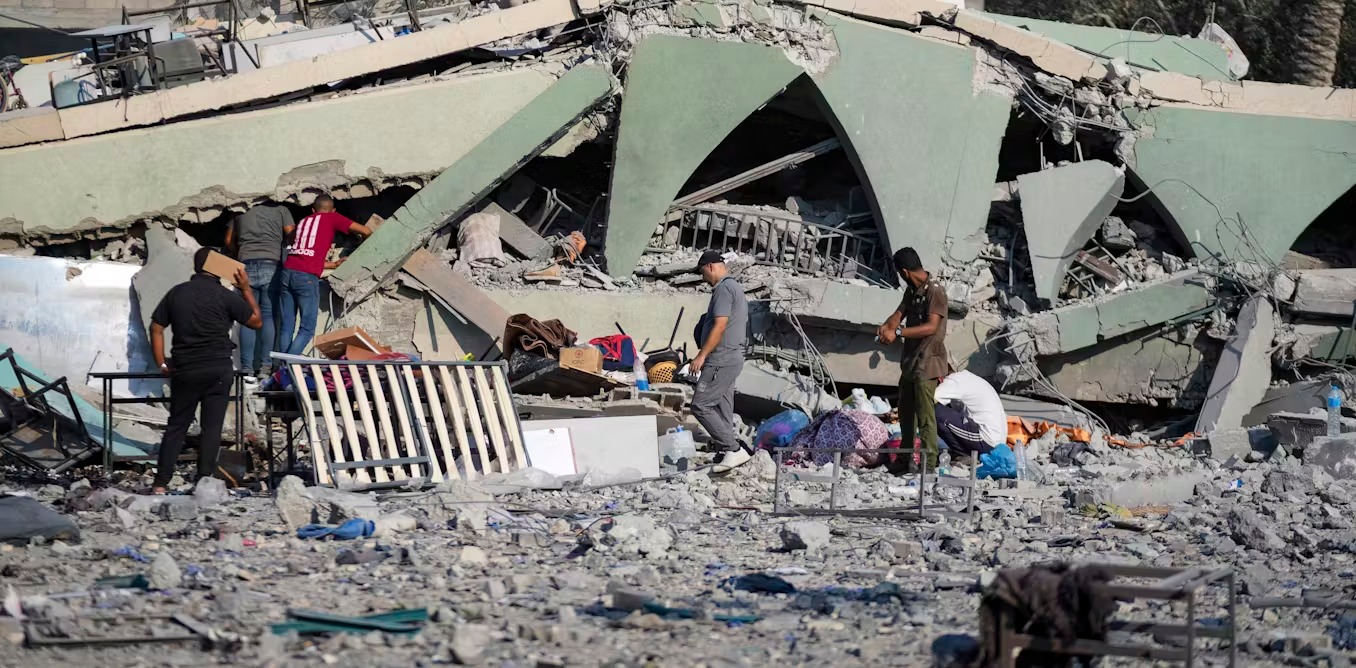
Israel will send a delegation to Qatar on Sunday to pursue talks on a potential ceasefire and hostage release agreement in Gaza, despite Prime Minister Benjamin Netanyahu’s rejection of recent changes requested by Hamas. Hamas had responded “positively” to the latest U.S.-backed ceasefire proposal, which includes a 60-day truce and is supported by President Donald Trump. Trump recently stated that Israel had agreed to the essential terms for finalizing the deal.
However, deep divisions remain. A Palestinian official from a group aligned with Hamas expressed concerns over the delivery of humanitarian aid, access through the Rafah crossing into Egypt, and uncertainty surrounding the timeline for Israeli troop withdrawal. Netanyahu’s office announced late Saturday that Hamas’ proposed amendments to the Qatari-mediated deal were “not acceptable to Israel,” though the Israeli team would still travel to Qatar to continue negotiations.
Netanyahu is also set to meet with Trump in Washington on Monday. The Israeli leader maintains that Hamas must be fully disarmed—an issue Hamas has not agreed to discuss. The militant group is believed to be holding at least 20 living hostages.
The war was triggered on October 7, 2023, when Hamas militants attacked southern Israel, killing approximately 1,200 people and taking 251 hostages, according to Israeli authorities. In response, Israel launched a large-scale military operation in Gaza. The Gaza Health Ministry reports that more than 57,000 Palestinians have been killed, with the conflict resulting in widespread displacement, famine, and allegations of war crimes and genocide—charges that Israel strongly denies.
The Qatar talks mark another attempt to end the ongoing violence, as the humanitarian crisis in Gaza deepens and diplomatic pressure mounts for a resolution.







