


 Saudi Arabia Shuts East-West Oil Pipeline After Drone Attack
  Trump Open to Chinese Automakers Building Cars in US
  Russian Drone Strikes Hit Ukraine-Moldova Border, Kyiv and Sumy
  Trump Says He Has No Regrets Over Iran War
  China Buys 1 Million Tons of U.S. Soybeans Ahead of Xi Visit
  Iran Attacks 10 Ships as Hormuz Conflict Escalates
  White House Weighs Refined Copper Tariffs as Cost Concerns Grow
  Trump Promises $5,000 Dividend if Republicans Win Midterms
  South Korea Says $350 Billion US Investment Talks Progressing
  US Caribbean Vessel Strike Kills Three
  Russian Strikes Hit Kyiv as Ukraine Targets Russian Cities
  Lula Holds Narrow Lead Over Flavio Bolsonaro in Brazil Election Poll
  Trump Says No Regrets Over Iran War Despite Midterm Risks
  Trump Calls for Five-Year George Washington Smithsonian Exhibit
  Trump Rejects Saudi Request for U.S. Strikes on Houthis
  Taiwan Flags Russian Film Screening as China-Japan Influence Push


 Add as a preferred source on Google
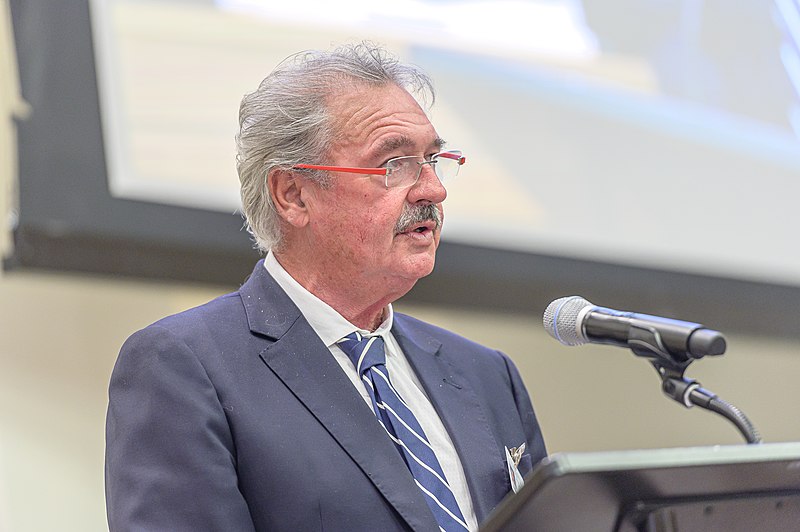
Luxembourg’s foreign minister said Iranian judges would now be included in the European Union’s latest sanctions list. The sanctioning of Iranian judges comes amidst the hardline judiciary’s sentencing of protesters to death.
Luxembourg foreign minister Jean Asselborn said on Monday that Iranian judges involved in imposing death penalties on convicted protesters would now be part of the bloc’s upcoming sanctions list. Asselborn’s comments came ahead of a meeting of EU foreign ministers in Brussels.
“Judges, prison workers, people who sentence others to death, dozens of them will get on the list,” said Asselborn.
On the same day, the British government summoned Iran’s most senior diplomat in London to formally protest what it said were threats against journalists residing in the United Kingdom.
This follows the move by ministers to launch a new security review into Iranian activities, as well as the announcement of the television station Iran International TV on Saturday that it was relocating its activities to the United States after the threats it has faced in the country.
“I am appalled by the Iranian regime’s continuing threats to the lives of UK-based journalists and have today summoned its representative to make clear this will not be tolerated,” said foreign secretary James Cleverly in a statement.
The British foreign office said the Iranian Charge d’Affaires was told in a meeting with British officials that the UK will not accept such threats to life and media freedom. In a separate statement, security minister Tom Tugendhat said he ordered a government review led by the interior ministry into state threats from Iran.
The UK, the European Union, and the US have strongly criticized Iran’s crackdown on the ongoing anti-government protests that have been taking place since September. The widespread demonstrations erupted after the death of Kurdish Iranian Mahsa Amini, who died in the custody of the morality police. Amini was detained at the time for allegedly violating the Islamic dress code for women.
Tehran has sought to crack down on the protests, and its hardline judiciary has executed four people on protest-related charges. Tehran has also sought to blame its foreign adversaries for the unrest.







