


 Oil Prices Ease as Iran Tensions Clash With Diplomacy Hopes
  US Stock Futures Fall as Treasury Yields Surge Ahead of Trump-Xi Summit
  South Korea, US Discuss Warship Building Cooperation
  France Defends Netanyahu Airspace Clearance Despite ICC Warrant
  US 10-Year Treasury Yield at 6% Emerges as New Market Risk Threshold
  Abbas Reaffirms November 28 Palestinian Elections
  North Korea Warns South Korea Over US-Led Defense Role
  Ukrainian Drone Attacks Hit Russian Regions, Injuring at Least 12
  What ‘Taiwan Independence’ Means as Xi Presses Trump on US Policy
  Gold Holds Near $4,275 as Rising Treasury Yields Fuel Fed Rate Hike Bets
  Mexico-US Trade Talks Delayed to October as Tariff Negotiations Continue
  Dollar Holds Near Two-Month High as Yen Approaches 160
  Fed Unveils Stablecoin Rules Under GENIUS Act
  Kremlin Says No Decision Yet on Putin-Trump December Summit
  Asian Stocks Fall as Surging Bond Yields Rattle Markets
  Russian Envoy Dmitriev Heads to US for Ukraine Talks
  Pezeshkian Says US Must Choose When Iran War Ends


 Add as a preferred source on Google
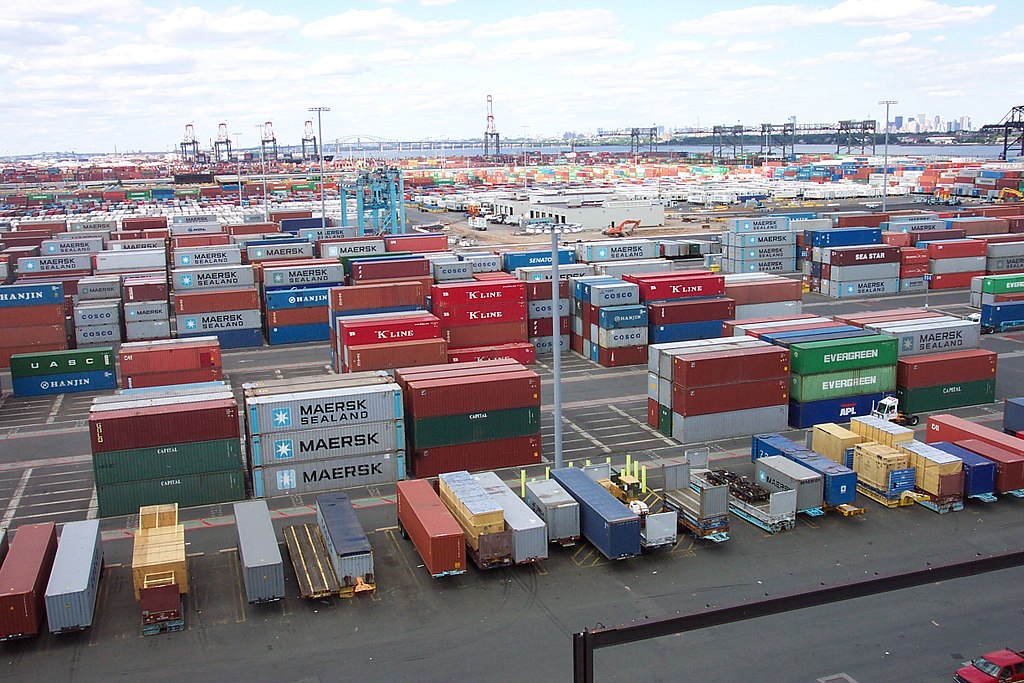
Mexico has taken a decisive step to strengthen its domestic manufacturing sector by approving significant tariff hikes on a wide range of imports from China and several other Asian countries. The Senate passed the measure on Wednesday, following earlier approval from the lower house, setting the stage for tariff increases of up to 50% beginning next year. By 2026, most new or adjusted duties—often reaching around 35%—will apply to key goods such as automobiles, auto parts, textiles, clothing, plastics and steel. These hikes specifically target countries that do not have existing trade agreements with Mexico, including China, India, South Korea, Thailand and Indonesia.
The primary goal behind these tariff increases is to provide stronger protection and competitiveness for Mexican industries that have long felt pressure from low-cost imports. Government officials argue that higher tariffs will support local producers, stimulate job creation and reduce dependency on foreign supply chains, particularly in sectors considered vital to the country's economic stability. This move also aligns with Mexico’s broader strategy to strengthen regional manufacturing capabilities amid shifting global trade dynamics.
However, the decision has sparked criticism from business groups and affected governments. Industry associations warn that the tariff hikes could raise production costs, disrupt supply chains and ultimately lead to higher prices for consumers. Critics also argue that the move may strain Mexico’s trade relationships with major Asian economies and could deter future investment. Despite these concerns, the government maintains that the long-term benefits outweigh the risks, emphasizing the need to prioritize national economic resilience.
As global trade shifts rapidly and competition intensifies, Mexico’s tariff strategy marks a pivotal moment for the country’s industrial policy. While challenges and debates are expected to continue, the approved measures signal Mexico’s determination to reposition its economic landscape and protect local industries in an increasingly competitive international market.







