


 US Caribbean Vessel Strike Kills Three
  China Buys 1 Million Tons of U.S. Soybeans Ahead of Xi Visit
  Iran Attacks 10 Ships as Hormuz Conflict Escalates
  Saudi Arabia Shuts East-West Oil Pipeline After Drone Attack
  Kim Jong Un Praises North Korean Troops Fighting Overseas
  Trump Says No Regrets Over Iran War Despite Midterm Risks
  Trump Rejects Saudi Request for U.S. Strikes on Houthis
  Trump Says He Has No Regrets Over Iran War
  Kim Jong Un Praises North Korean Troops Fighting Overseas
  White House Weighs Refined Copper Tariffs as Cost Concerns Grow
  South Korea Says $350 Billion US Investment Talks Progressing
  Gulf Ministers to Meet Iran in Oman Over Hormuz Shipping Deal
  Trump Calls for Five-Year George Washington Smithsonian Exhibit
  Russian Drone Strikes Hit Ukraine-Moldova Border, Kyiv and Sumy
  Russian Drone Strike on Sumy Shopping Centre Kills Two
  CIA Chief Ratcliffe May Take Bigger Role in Ukraine Peace Talks


 Add as a preferred source on Google
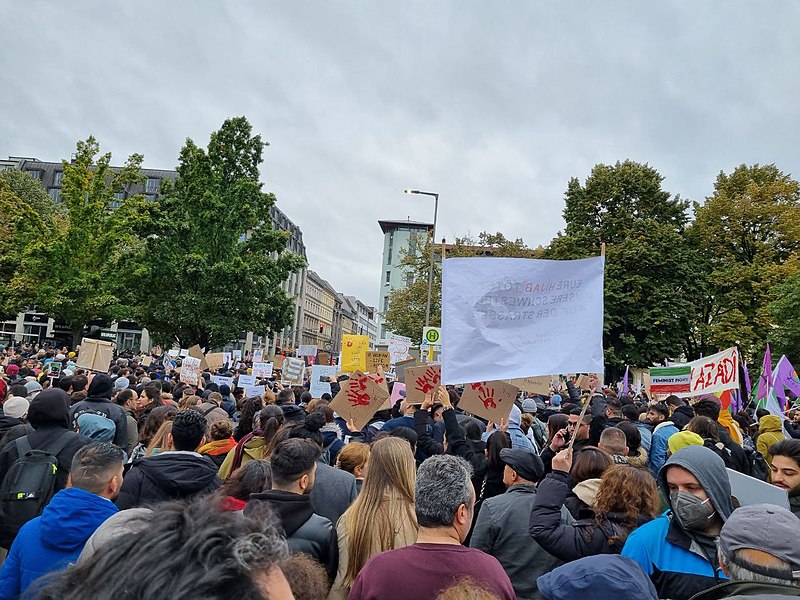
A London-based television station known for being critical of the Iranian government has announced that it will be relocating to the United States. The relocation follows the increasing threats the station has received in the United Kingdom.
On Saturday, the Persian-language Iran International channel announced that it would be relocating to the United States. The decision follows days after police in London said an Austrian national was charged with a terrorism offense after being detained in Chiswick Business Park, where the station is based.
“After a significant escalation in state-backed threats from Iran and advice from the Metropolitan Police, Iran International TV says it has reluctantly closed its London studios and moved broadcasting to Washington DC,” the channel said in a statement, without indicating whether the relocation would only be temporary or would be permanent.
“A foreign state has caused such a significant threat to the British public on British soil that we have to move. Let’s be clear this is not just a threat to our TV station but the British public at large,” said Iran International TV General Manager Mahmood Enayat.
Iran International TV said the threats it has received have increased to the extent that it was not possible anymore to protect its staff.
Iran International TV has covered the ongoing anti-government protests in Iran that erupted in September last year. Tehran has accused its regional rival, Saudi Arabia, of funding the channel.
Protests across the country restarted on Thursday and Friday last week after they appeared to slow down in recent weeks. The demonstrations started following the death of Kurdish Iranian woman Mahsa Amini, who died in the custody of the morality police. Amini died days after she was detained for allegedly flouting the Islamic dress code for women.
Tehran has accused its foreign adversaries such as Israel and the United States of fomenting the unrest.
On Saturday, the last heir to the Iranian monarchy, Reza Pahlavi, the son of the exiled Shah Mohammad Reza Pahlavi, told Reuters that he, along with other exiled Iranian dissidents, were discussing ways to increase support for the opposition movements in Iran to further pressure the Islamic Republic.
“It’s important we have to have a component of domestic pressure on the regime because external pressure by sanctions weakens the system but it is not enough to do the job,” said Pahlavi on the sidelines of the Munich security conference.







