


 Kremlin Says No Grounds Yet for Ukraine Peace Talks
  Taiwan Thanks US for Support Ahead of Trump-Xi Summit
  Venezuela Promises Elections as Delcy Rodriguez Pledges Democratic Transition
  Gaza Faces Evacuation Crisis as War-Damaged Buildings Risk Collapse
  Lula and Flavio Bolsonaro Tied in Brazil Runoff Poll
  US, China Extend Trade Truce to Jan. 10 Ahead of Trump-Xi Summit
  Zelenskiy Warns Russia Preparing Major Attack on Ukraine
  Macron Challenges Trump’s Gaza Peace Claims at UN
  Scott Bessent Eyed as Trump’s New AI Czar
  Netanyahu Takes Aim at Mamdani as Israel Election Nears
  China Tightens Fentanyl Rules Ahead of Trump-Xi Summit
  US Invites Putin to Miami G20, Opening Door to Trump Summit
  Taiwan Vows to Advance US Arms Sales Ahead of Trump-Xi Meeting
  Trump Says ‘Freedom’ Is Coming to Cuba
  Marco Rubio to Meet Russia’s Lavrov in New York
  Russian Missile and Drone Attack on Kyiv Kills Two, Damages Maternity Hospital
  US Officials Split Over Response to Israeli West Bank Settlements


 Add as a preferred source on Google
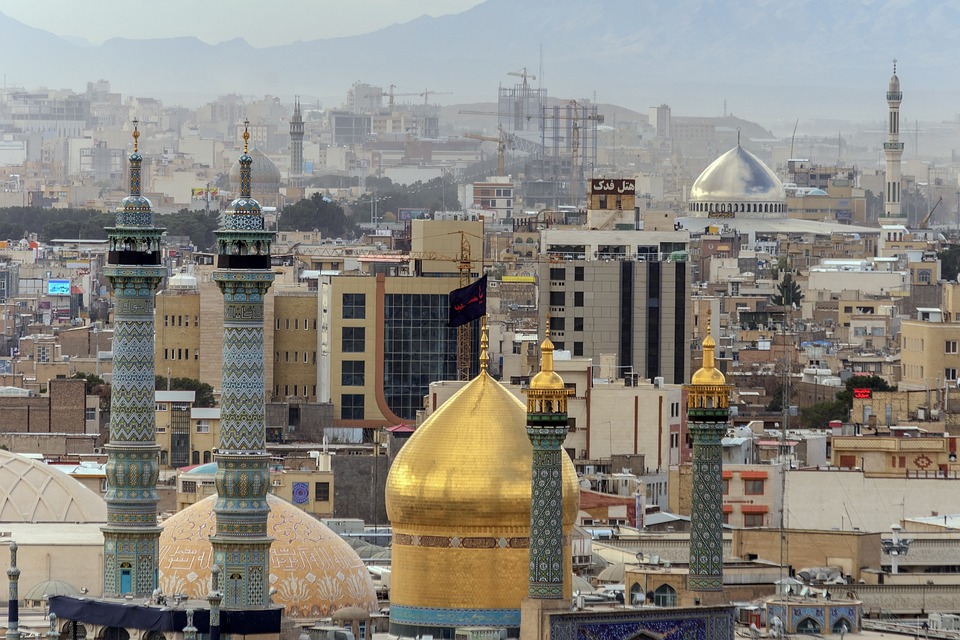
In the latest flare-up of tensions, Iran has installed civil defense systems in its 51 cities. Along with civil defenses, Tehran has also ramped up its air defense readiness.
Iranian military officials said Saturday that 51 cities are now equipped with civil defense systems and boosted the readiness of the country’s air defenses to counter any possible threats.
According to Iranian media outlets, deputy defense minister Brigadier General Mehdi Farahi said the civil defense systems would enable the country to “identify and monitor threats by using round-the-clock software according to the type of threat and risk.”
“These days, depending on the strength of countries, the form of battles has become more complicated,” said Farahi. Farahi added that the traditional wars were now replaced by other mediums such as cyber, biological, and radioactive attacks. Farahi did not cite which countries he referred to as threatening Iran.
“The country’s airspace today is the safest for licensed flights and the most insecure for would-be aggressors,” said Brigadier General Qader Rahimzadeh, who leads Iran’s air defense headquarters. Rahimzadeh said readiness was high in his forces.
While no countries were named, Iran has accused both Israel and the United States of launching cyber-attacks that targeted the country’s infrastructure. Iran has also accused Israel of sabotaging its nuclear facilities. Israel has not confirmed or denied the accusations of sabotage.
Tehran and Washington have long had disputes even as both countries are looking to restart the 2015 nuclear deal. In the latest incident of strained relations, Iran seized US military sail drones in the Red Sea last week.
Also last week, the US Navy said it intercepted an attempt by Iran’s Revolutionary Guards’ naval forces to capture an unmanned surface vessel operated by the US 5th Fleet in the Gulf.
Friday last week, the White House rejected linking the potential revival of the 2015 nuclear agreement with the closure of the probe by the United Nations nuclear watchdog a day after Tehran reopened the issue.
White House Press Secretary Karine Jean-Pierre said there must not be a link between reviving the Joint Comprehensive Plan of Action and Iran’s “legal obligations under the Non-Proliferation Treaty.”







