


 Russian Envoy Dmitriev Heads to US for Ukraine Talks
  Europe Warns Russia Is Escalating Hybrid Attacks Across NATO
  Vietnam, US Trade Deal Could Be Signed Soon, To Lam Says
  Canada Unveils Bill to Fast-Track Major Resource Projects
  US, China Extend Trade Truce to Jan. 10 Ahead of Trump-Xi Summit
  Trump Board of Peace Unveils $2.45 Billion Gaza Recovery Plan
  Russian Strikes Kill Eight Across Ukraine as Energy Sites Hit
  Macron, Trump Discuss Ukraine-Russia Energy Strike Moratorium
  Marco Rubio to Meet Russia’s Lavrov in New York
  Kremlin Says No Grounds Yet for Ukraine Peace Talks
  Scott Bessent Eyed as Trump’s New AI Czar
  Iran Vows ‘Crushing’ Response as US Talks Continue
  Ghana Says Western Support Growing for Slave Trade Reparations
  Trump Says ‘Freedom’ Is Coming to Cuba
  US Invites Putin to Miami G20, Opening Door to Trump Summit
  Trump Administration Plans Faster FDA Reviews for Smoke-Free Nicotine Products
  Taiwan Vows to Advance US Arms Sales Ahead of Trump-Xi Meeting


 Add as a preferred source on Google
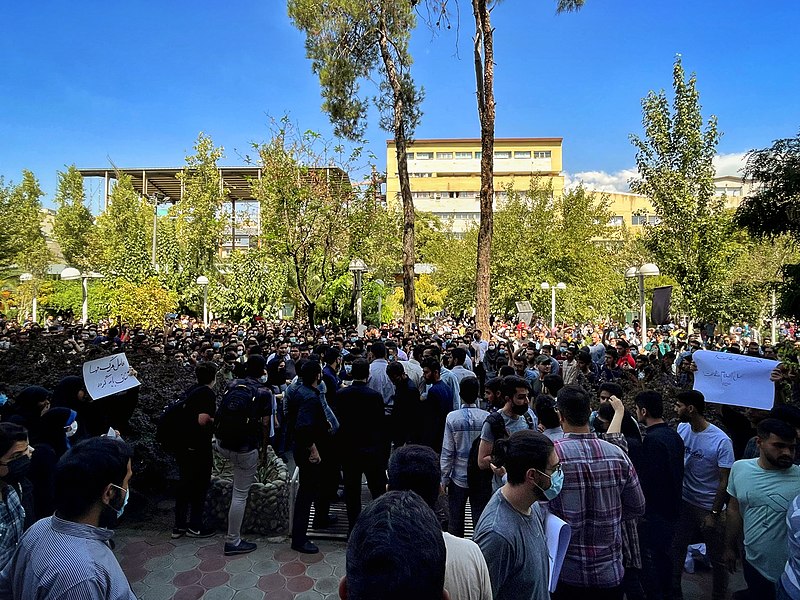
In the ongoing unrest taking place across Iran, Tehran has accused the West, especially the United States, of using local agents to incite the unrest. Following the news of the detainment of two French nationals, western nations have accused Iran of “hostage-taking.”
The United Kingdom and France said Wednesday that Iran was threatening their nationals and engaging in “hostage-taking.” This follows the report by the Iranian interior ministry claiming that they have arrested and detained two French nationals that are allegedly intelligence officers. France has denied the statement by the interior ministry and demanded that its citizens be released.
During the G20 summit in Bali, French President Emmanuel Macron told reporters that Iran was being increasingly aggressive “with its unacceptable hostage-taking.” Macron urged Tehran to “return to calm and a spirit of cooperation” and called on Iran to “respect regional stability and also French citizens.”
Seven French nationals are detained in Iran, according to Paris.
The US special envoy on Iran, Robert O’Malley, said that it was time for countries to issue a coordinated response to citizens that are detained in Iran for the purpose of “hostage-taking as bargaining chips and for political reasons.”
The British domestic spy chief said that Iran’s intelligence services have tried on at least 10 occasions to kidnap or kill British nationals or individuals based in the UK that are seen as a threat by Tehran. MI6 chief Ken McCallum said that while Tehran was using violence to silence its critics at home, its intelligence services were also directly threatening the UK.
“At its sharpest, this includes ambitions to kidnap or even kill British or UK-based individuals perceived as enemies of the regime,” McCallum said in his remarks at the MI5 headquarters. “We have seen at least 10 such potential threats since January alone.”
The protests broke out across Iran following the death of Kurdish-Iranian Mahsa Amini in the custody of the morality police. Tehran has accused the West of trying to destabilize the Islamic Republic through the protests.
British foreign secretary James Cleverly last week summoned the Iranian ambassador to the UK over the alleged threats by Iranian security forces to journalists in the UK.







