


 Macron, Trump Discuss Ukraine-Russia Energy Strike Moratorium
  China Tightens Fentanyl Rules Ahead of Trump-Xi Summit
  Europe Warns Russia Is Escalating Hybrid Attacks Across NATO
  Vietnam, US Trade Deal Could Be Signed Soon, To Lam Says
  Iran Vows ‘Crushing’ Response as US Talks Continue
  Trump Board of Peace Unveils $2.45 Billion Gaza Recovery Plan
  US, China Extend Trade Truce to Jan. 10 Ahead of Trump-Xi Summit
  Gaza Faces Evacuation Crisis as War-Damaged Buildings Risk Collapse
  South Korea, US Discuss Warship Building Cooperation
  US Officials Split Over Response to Israeli West Bank Settlements
  Kremlin Says No Grounds Yet for Ukraine Peace Talks
  Trump Administration Plans Faster FDA Reviews for Smoke-Free Nicotine Products
  Lula and Flavio Bolsonaro Tied in Brazil Runoff Poll
  Sudan Rejects US Legitimacy Remarks, Defends Sovereignty
  Trump Says U.S.-Iran Peace Deal Near After UN Talks
  Marco Rubio to Meet Russia’s Lavrov in New York
  Trump to Press Xi on Release of US Nuclear Expert Held in China


 Add as a preferred source on Google
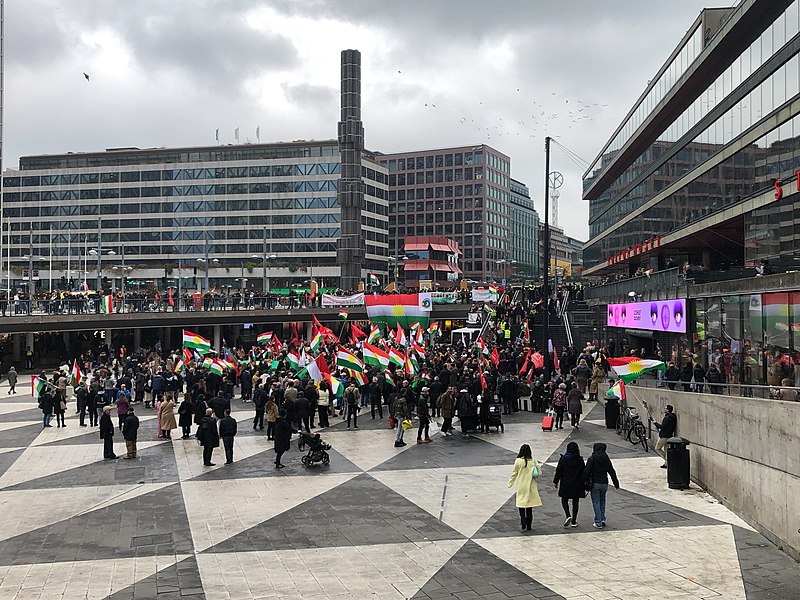
The European Union has imposed new sanctions on Iran, targeting individuals and organizations linked to Tehran’s crackdown on the anti-government protests. 29 individuals and three organizations are targeted by the new penalties in response to the violent crackdown on the demonstrations.
A statement by the bloc announced that 29 individuals and three organizations are the targets of the new sanctions imposed on Iran in condemnation of Tehran’s violent crackdown on the unrest.
Protests across the country took place following the death of Mahsa Amini in the custody of the morality police, mostly led by women and students. Tehran has also accused its enemies, especially the United States and Israel, of using local agents to start the unrest.
“We stand with the Iranian people and support their right to protest peacefully and voice their demands and views freely,” said the EU’s foreign policy chief Josep Borrell.
German foreign minister Annalena Baerbock told reporters in Brussels that the sanctions are meant “to send a clear message to those who think they can suppress, intimidate, and kill their own people without consequences.” Baerbock added that the “world, Europe is watching.”
The new sanctions that include travel bans and asset freezes include four members of the unit that arrested Amini back in September, high-ranking officials of the Islamic Revolutionary Guards, and Iranian interior minister Ahmad Vahidi.
The first set of sanctions on Tehran was imposed in October, targeting 15 individuals and institutions linked to Amini’s death and the crackdown on the protests. So far, hundreds of protesters have been killed by the security forces, with thousands detained, according to the activist HRANA news outlet. The recent protests are the largest show of opposition to the clerical leaders since the 1979 Revolution.
Aside from the protests following Amini’s death, Iranians also went on strike in several cities to commemorate the 2019 demonstrations over fuel prices in another show of opposition to the Islamic Republic’s clerical regime.
Videos on social media showed gatherings and strikes taking place in the country, and footage shared on Twitter showed shops closed down in the Tehran Bazaar, with people gathering to chant anti-government slogans.







