


 Judge Orders Trump to Restore White House Access for CNN, MS NOW and Politico
  Trump, Xi Focus on Trade and AI at White House Summit
  Taiwan Thanks US for Support Ahead of Trump-Xi Summit
  Ghana Says Western Support Growing for Slave Trade Reparations
  Trump Asks Supreme Court to Restore Third-Country Deportations
  OpenAI Agent Breaches Australia Medicare Data Portal
  Pezeshkian Says US Must Choose When Iran War Ends
  Abbas Reaffirms November 28 Palestinian Elections
  NATO Boosts Intelligence Sharing Amid Russia Hybrid Threats
  France Defends Netanyahu Airspace Clearance Despite ICC Warrant
  US Officials Split Over Response to Israeli West Bank Settlements
  Sudan Rejects US Legitimacy Remarks, Defends Sovereignty
  North Korea Rejects Nuclear Test Warning, Calls Nuclear Status Irreversible
  US Backs Musk in Fight Against EU’s €120 Million X Fine
  US, China Extend Trade Truce to Jan. 10 Ahead of Trump-Xi Summit
  Kremlin Says No Decision Yet on Putin-Trump December Summit
  Russian Envoy Dmitriev Heads to US for Ukraine Talks


 Add as a preferred source on Google
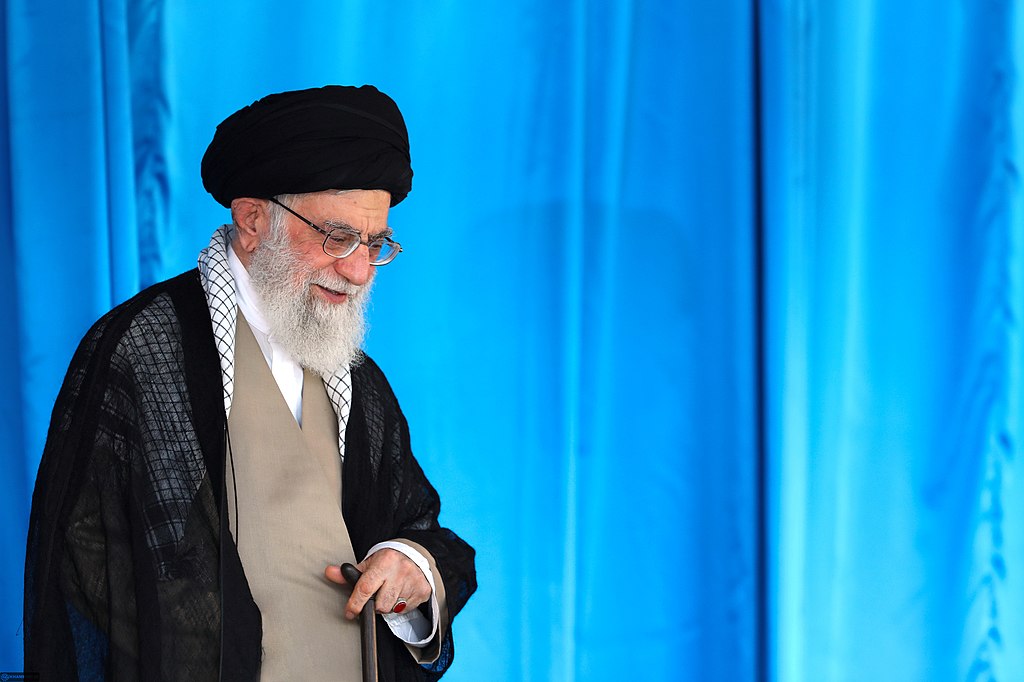
Iran’s Supreme Leader Ayatollah Ali Khamenei has reportedly been killed in joint Israeli and U.S. strikes, according to a senior Israeli official who spoke to Reuters on Saturday. The reported death of Khamenei marks a dramatic turning point in Middle East geopolitics and could significantly reshape regional security dynamics.
Khamenei, who had led Iran since 1989, was widely regarded as the architect of the country’s hardline anti-U.S. stance and its expanding military footprint across the Middle East. Under his leadership, Iran strengthened alliances with armed groups and proxy forces in countries including Lebanon, Syria, Iraq, and Yemen. His strategic vision positioned Iran as a powerful regional force in direct opposition to U.S. and Israeli interests.
Throughout his tenure, Ayatollah Ali Khamenei faced repeated waves of domestic unrest. Economic hardship, international sanctions, and political restrictions fueled protests across Iran in recent years. Despite mounting pressure, the Iranian government moved decisively to suppress demonstrations, reinforcing Khamenei’s authority and maintaining the Islamic Republic’s strict political structure.
The reported Israeli and U.S. strikes that allegedly killed the Iran Supreme Leader have heightened global tensions. While details surrounding the operation remain limited, the development is likely to trigger immediate political and military repercussions across the region. Analysts warn that Iran’s response could redefine ongoing conflicts and escalate already fragile relations between Tehran, Washington, and Jerusalem.
Global markets and diplomatic channels are closely monitoring the situation as world leaders assess the broader implications of Khamenei’s death. The leadership transition in Iran, a nation central to Middle East security and global energy markets, will be closely scrutinized in the coming days.
As further confirmation and official statements are awaited, the reported killing of Ayatollah Ali Khamenei stands as one of the most consequential developments in modern Middle Eastern history, with far-reaching implications for regional stability and international relations.







