


 Pezeshkian Says US Must Choose When Iran War Ends
  Kremlin Says No Decision Yet on Putin-Trump December Summit
  North Korea Rejects Nuclear Test Warning, Calls Nuclear Status Irreversible
  Ukrainian Drone Attacks Hit Russian Regions, Injuring at Least 12
  Ghana Says Western Support Growing for Slave Trade Reparations
  Taiwan Thanks US for Support Ahead of Trump-Xi Summit
  Abbas Reaffirms November 28 Palestinian Elections
  South Korea, US Discuss Warship Building Cooperation
  OpenAI Agent Breaches Australia Medicare Data Portal
  North Korea Warns South Korea Over US-Led Defense Role
  US Backs Musk in Fight Against EU’s €120 Million X Fine
  France Defends Netanyahu Airspace Clearance Despite ICC Warrant
  Netanyahu Takes Aim at Mamdani as Israel Election Nears
  Netanyahu’s Brief US Trip Highlights Strains With Trump
  Saudi Arabia, Turkey and Pakistan Plan Urgent Defence Talks Over Houthi Attacks
  Yemen Violence Displaces 130,000 as Civilian Toll Rises
  Trump, Xi Focus on Trade and AI at White House Summit


 Add as a preferred source on Google
Iran’s U.N. Ambassador Amir Saeid Iravani told the U.N. Security Council that Iran’s recent missile strikes on Israel were acts of self-defense, carried out under Article 51 of the U.N. Charter. Describing them as “proportionate defensive operations” aimed solely at military targets, Iravani argued Iran had not initiated any war. He emphasized, “Iran has not attacked Israel. The so-called existential threat narrative is false.”
The statement follows Israel’s surprise airstrike last Friday, which killed senior Iranian military commanders and key nuclear scientists. Israel declared its goal is to dismantle Iran’s nuclear and ballistic missile programs. In response, Iran launched over 1,000 missiles and drones toward Israeli targets.
Speaking to reporters, Iravani blamed the United States, asserting that “without the U.S. weapons, intelligence, and political backing, this attack could not have happened.” He warned that any third-party cooperation with Israel renders them complicit in the crisis, further escalating regional tensions.
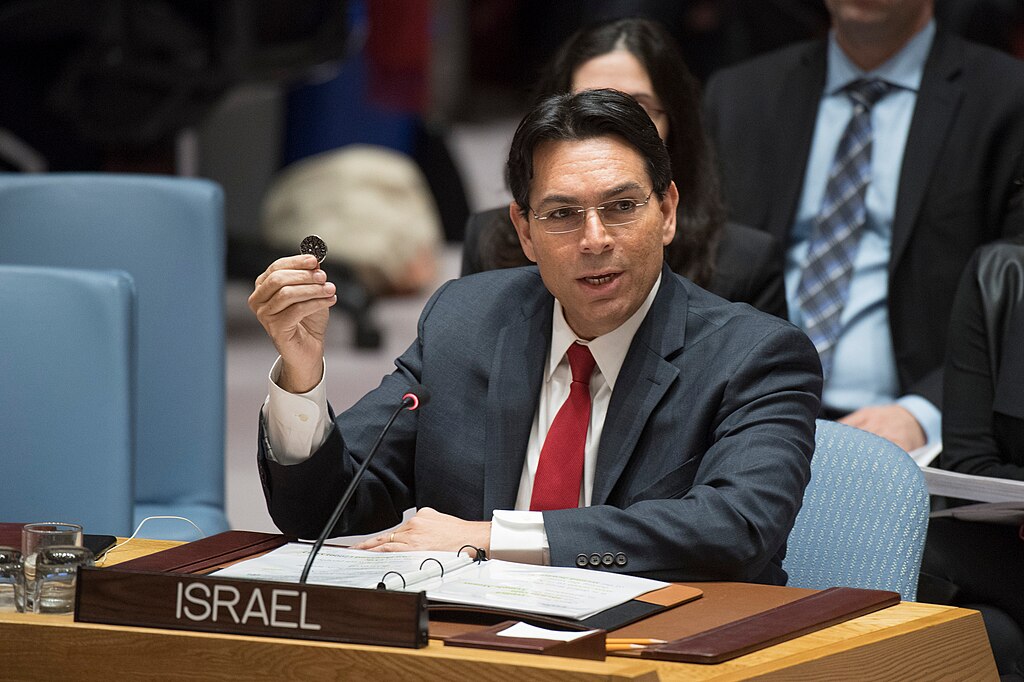
At the same meeting, Israel’s U.N. Ambassador Danny Danon accused Iran of targeting civilians, stating, “Iran aims its missiles at children, while we target the regime’s terror machine.” He claimed that Israel had successfully disrupted Iran’s nuclear progress and vowed to continue these efforts.
The U.N. Security Council had convened earlier at Tehran’s request following Israel’s initial strikes. The conflict marks a severe escalation between the two nations, raising international concerns over regional stability and the risk of broader war.
As the situation evolves, both nations continue to justify their actions through international law, while trading accusations over civilian targeting and aggression. The involvement of global powers, especially the U.S., further complicates the already volatile Middle East landscape.







