


 US Backs Musk in Fight Against EU’s €120 Million X Fine
  Najib Razak Seeks Stay of 15-Year 1MDB Prison Sentence
  Russian Missile and Drone Attack on Kyiv Kills Two, Damages Maternity Hospital
  Netanyahu’s Brief US Trip Highlights Strains With Trump
  Ukrainian Drone Attacks Hit Russian Regions, Injuring at Least 12
  US Senate Rejects Iran War Powers Resolution in 50-49 Vote
  Yemen Violence Displaces 130,000 as Civilian Toll Rises
  Trump, Xi Visit US National Archives After White House Summit
  EU Defence Build-Up Too Slow for 2030 Russia Readiness Goal
  Taiwan Thanks US for Support Ahead of Trump-Xi Summit
  Pezeshkian Says US Must Choose When Iran War Ends
  Abbas Reaffirms November 28 Palestinian Elections
  What ‘Taiwan Independence’ Means as Xi Presses Trump on US Policy
  NATO Boosts Intelligence Sharing Amid Russia Hybrid Threats
  Trump, Xi Focus on Trade and AI at White House Summit
  Mexico-US Trade Talks Delayed to October as Tariff Negotiations Continue
  South Korea, US Discuss Warship Building Cooperation


 Add as a preferred source on Google
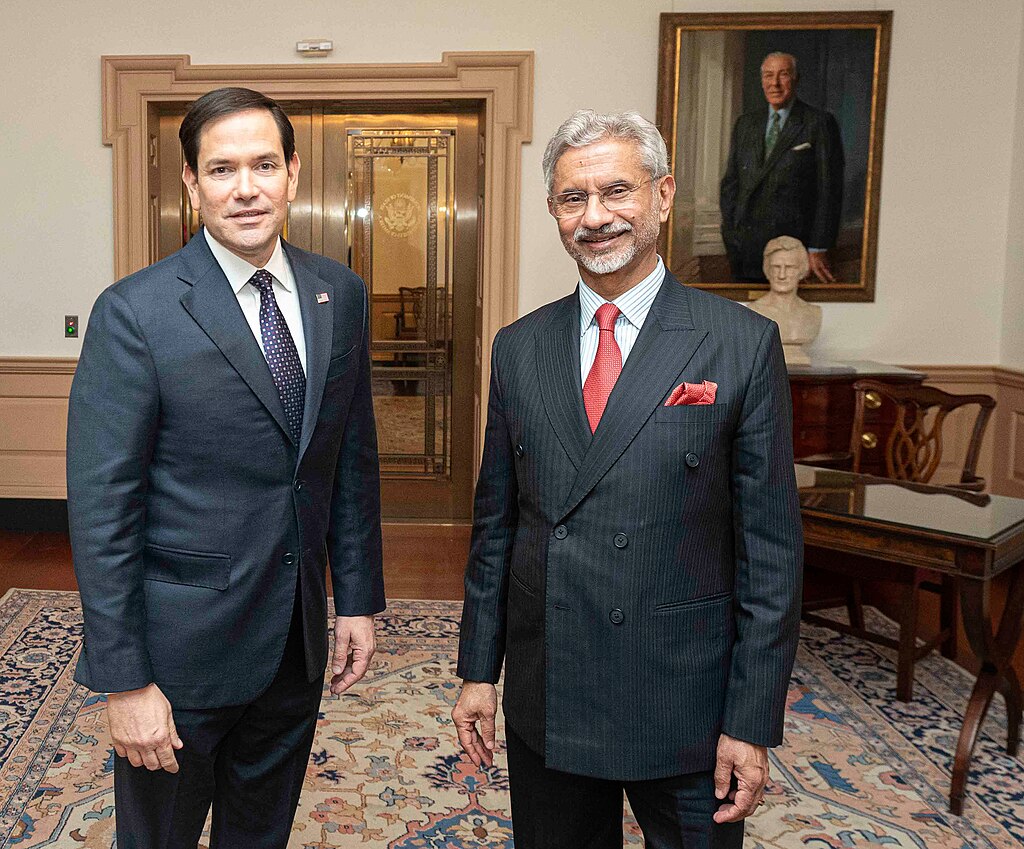
India has urged the U.S. to support its efforts to bring the perpetrators of the April 22 Kashmir attack to justice, as tensions rise between nuclear-armed rivals India and Pakistan. Indian Foreign Minister Subrahmanyam Jaishankar told U.S. Secretary of State Marco Rubio that those responsible—identified as Islamist militants, including two Pakistani nationals—must be held accountable. The attack in Pahalgam, which left 26 people dead, mostly Hindu tourists, has reignited hostilities in the disputed region.
The U.S. has responded by calling on both nations to de-escalate and cooperate. Rubio affirmed U.S. support for India’s anti-extremism efforts and urged Pakistan to assist in the investigation. Indian Defence Minister Rajnath Singh also spoke with U.S. Defense Secretary Pete Hegseth, asserting that Pakistan has a history of sponsoring terrorism. Hegseth reiterated Washington’s solidarity with India and its right to self-defense.
Pakistan, while denying involvement, has requested that the U.S. pressure India to avoid provocative actions. Islamabad has called for a neutral investigation and insists it only provides moral and diplomatic backing for Kashmiri self-determination.
Following the attack, India suspended a key water-sharing treaty and closed its airspace to Pakistani airlines. Cross-border skirmishes have occurred nightly, and India’s navy has announced firing drills in the Arabian Sea. In response, authorities in Pakistan-administered Kashmir have shut down religious seminaries for 10 days and are evacuating tourists near the border amid fears of Indian strikes.
The United Nations and China have urged restraint, while Indian Prime Minister Narendra Modi reportedly gave military chiefs the freedom to determine India’s response. Pakistan claims Indian military action could be imminent, further fueling regional tensions.
This ongoing crisis underscores the volatile situation in Kashmir, a flashpoint for decades of conflict between India and Pakistan.







