


 Zelenskiy Warns Russia Preparing Major Attack on Ukraine
  European Stocks Slip as Iran Tensions Offset Strong Eurozone Data
  Iran Vows ‘Crushing’ Response as US Talks Continue
  U.S. Stock Futures Rise Ahead of Trump-Xi Summit, Middle East Risks Weigh
  UK, Mauritius Seek Diego Garcia Base Deal
  Macron Challenges Trump’s Gaza Peace Claims at UN
  Trump Says ‘Freedom’ Is Coming to Cuba
  Oil Prices Extend Losses as U.S.-Iran Talks Ease Supply Fears
  Paramount-Warner Bros $110 Billion Deal Draws Antitrust Backlash
  US, Denmark and Greenland Set to Sign Arctic Security Deal
  Lula and Flavio Bolsonaro Tied in Brazil Runoff Poll
  Taiwan Vows to Advance US Arms Sales Ahead of Trump-Xi Meeting
  US, Japan and South Korea Back Taiwan Ahead of Trump-Xi Summit
  Trump Administration Prepares Sanctions Against Entire ICC
  Asian Currencies Muted as Dollar Firms Ahead of Trump-Xi Summit


 Add as a preferred source on Google
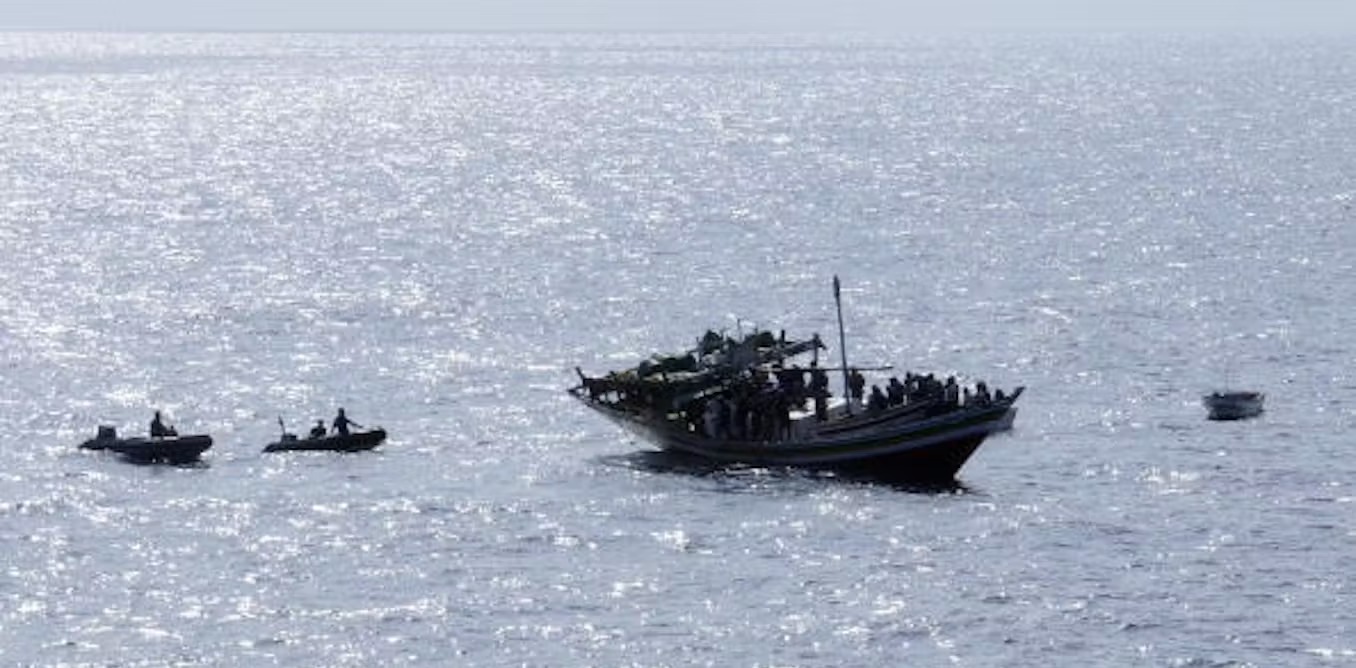
Yemen’s Iran-backed Houthi movement announced a naval blockade against Saudi Arabia on Monday, significantly escalating tensions in the Middle East and raising fresh concerns over global energy supplies, oil prices, and international shipping routes.
The blockade opens a potential new front in the ongoing U.S.-Iran conflict after Iran-aligned forces intensified attacks across the region. The announcement followed a deadly period for U.S. forces, with the Pentagon identifying two American soldiers killed in an Iranian strike on a U.S. base in Jordan. Officials also said unidentified remains could belong to a third missing soldier, while a fourth service member died in Iraq during the controlled detonation of an unexploded Iranian drone.
In response, the Saudi-led coalition said it would use force against the Houthis and has begun protecting vessels traveling through the Bab el-Mandeb Strait, a critical shipping corridor that has become increasingly important following the effective closure of the Strait of Hormuz.
The Houthis described their action as a "maritime embargo" against Saudi Arabia, claiming it was retaliation for what they called an unjust blockade imposed on Yemen. Iran has previously urged the group to shut down the Bab el-Mandeb if U.S. attacks on Iranian infrastructure continued.
Analysts warn that a prolonged closure of the strategic waterway could disrupt roughly 7% of global oil supplies, compounding the estimated 10% reduction already caused by the broader Gulf conflict. Although oil prices briefly rose after the announcement, they later eased as markets reacted to renewed hopes for diplomacy. However, insurance costs for Red Sea shipping increased amid growing security risks.
Diplomatic efforts remain active, with Iran confirming it received ceasefire proposals from mediators. Pakistani officials also said Iranian Interior Minister Eskandar Momeni requested Islamabad's assistance in reviving negotiations aimed at restoring a fragile interim agreement.
Meanwhile, military operations continued across the region. U.S. forces launched additional strikes on Iranian targets, while Iran's Revolutionary Guards claimed attacks on U.S. military facilities in Jordan, Kuwait, and Syria. President Donald Trump defended the latest U.S. operations, pledging that Iran would face severe consequences for attacks that killed American troops. The conflict also continued to affect Lebanon and Gaza, highlighting the growing risk of a wider regional war.







