


 CNN, MS NOW and Politico Sue Trump Over White House Media Ban
  US, Denmark and Greenland Set to Sign Arctic Security Deal
  South Korea to Brief Lawmakers on $350 Billion US Investment Package
  Russian Strikes Kill Eight Across Ukraine as Energy Sites Hit
  Asia Stocks Rise on AI Demand as Oil Eases
  Kremlin Says No Grounds Yet for Ukraine Peace Talks
  Macron, Trump Discuss Ukraine-Russia Energy Strike Moratorium
  Trump to Press Xi on Release of US Nuclear Expert Held in China
  Lula Meets Mamdani in New York as Elections Approach
  Trump Meets Venezuela’s Delcy Rodriguez at UN Assembly
  Macron Challenges Trump’s Gaza Peace Claims at UN
  Marco Rubio to Meet Russia’s Lavrov in New York
  Oil Prices Rise as U.S.-Iran Talks Fuel Diplomacy Hopes
  Paramount-Warner Bros $110 Billion Deal Draws Antitrust Backlash
  Trump Says U.S.-Iran Peace Deal Near After UN Talks
  Yen in Focus as BOJ, Fed Rate Hikes Reshape Currency Markets


 Add as a preferred source on Google
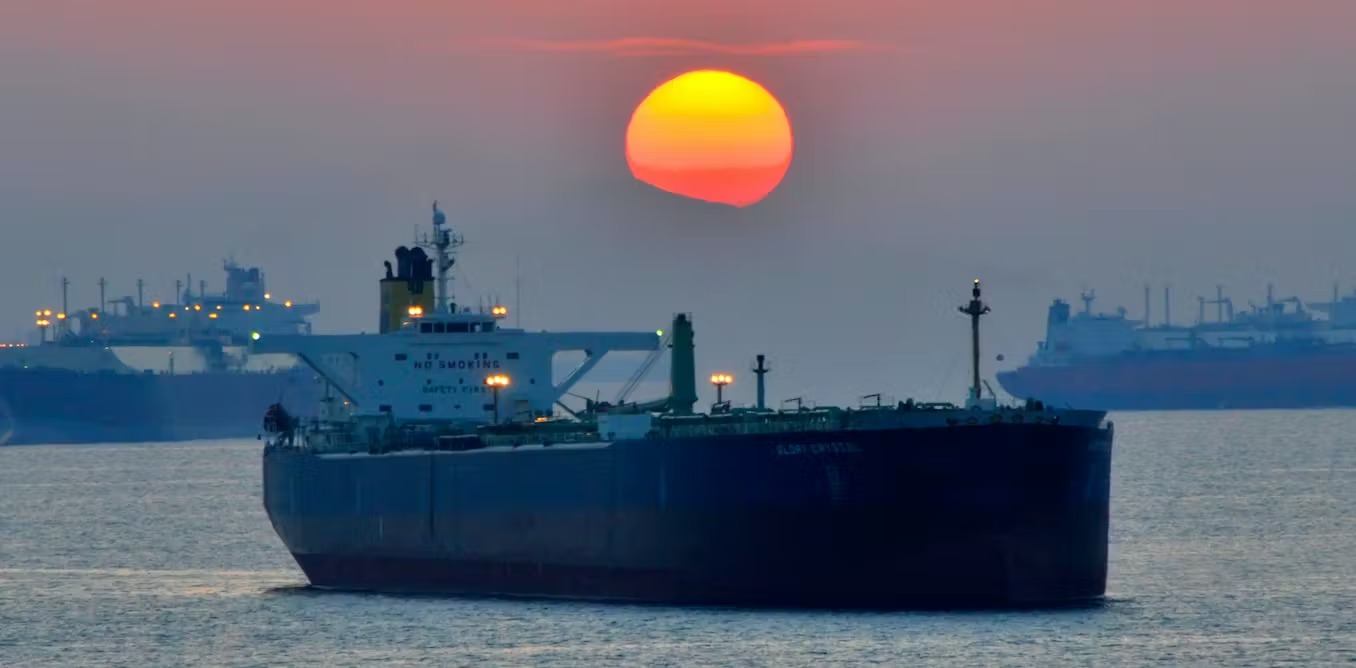
The conflict between the United States and Iran intensified overnight as U.S. forces launched fresh airstrikes across southern Iran following President Donald Trump's vow to retaliate for the deaths of American soldiers. The latest exchange of attacks expanded regional tensions, raising concerns over global energy security despite renewed diplomatic efforts to restore a ceasefire.
According to U.S. Central Command, American strikes targeted Iranian military command centers, missile and drone launch sites, air defense systems, and maritime infrastructure. Iranian state media reported explosions in Shiraz, Konarak, and Chabahar following the attacks.
Iran responded by launching attacks against U.S.-linked targets across the Gulf. The Revolutionary Guards claimed they struck infrastructure in Bahrain associated with Amazon and targeted facilities housing U.S. personnel at Sheikh Isa Air Base. Iranian forces also said they carried out drone strikes against three U.S. military bases in Kuwait, while another U.S. military site in Jordan came under attack. Jordan's military said it intercepted and destroyed five Iranian drones.
Maritime security also deteriorated as the UK Maritime Trade Operations agency reported that a tanker in the Strait of Hormuz was hit by an unidentified projectile, forcing its crew to abandon the vessel. Separately, Iran said two oil tankers caught fire after explosions while navigating the strategic waterway.
The crisis deepened after Yemen's Iran-backed Houthi movement announced a naval blockade on Saudi Arabia, threatening shipping through the Bab el-Mandeb Strait. Analysts warn that a full closure of the route could significantly disrupt global oil exports, adding to supply losses already caused by the Gulf conflict. Saudi-led coalition forces said they have begun implementing protective measures for commercial shipping.
Despite the military escalation, oil prices remained relatively stable as investors monitored diplomatic efforts. A senior Iranian official said Tehran had received a proposal for a 10-day ceasefire aimed at reviving last month's interim peace agreement. Iranian Interior Minister Eskandar Momeni also traveled to Pakistan to resume mediation efforts.
Trump defended the latest strikes, saying they honored fallen U.S. service members and warned that Iran would face overwhelming retaliation for future attacks. Meanwhile, Lebanese President Joseph Aoun is scheduled to meet Trump in Washington to discuss plans for Hezbollah's disarmament and Israel's withdrawal from parts of Lebanon.







