


 Mexico-US Trade Talks Delayed to October as Tariff Negotiations Continue
  US Dollar Hits Two-Month High as Fed Rate Hike Bets Rise
  Trump, Xi Focus on Trade and AI at White House Summit
  Oil Prices Jump 3% as Houthi Attack Revives Supply Fears
  Oil Prices Ease as Iran Tensions Clash With Diplomacy Hopes
  Asian Currencies Mixed as Dollar Holds Near Two-Month High
  U.S. 10-Year Treasury Yield Hits 2007 High as Fed Rate Hike Bets Rise
  US 10-Year Treasury Yield at 6% Emerges as New Market Risk Threshold
  European Stocks Fall as Bond Yields and Geopolitical Risks Weigh
  Wall Street Falls as Treasury Yields Surge, Oil Rebounds on Iran Tensions
  Soybean Futures Slip as Traders Await Trump-Xi Trade Signals
  Asian Stocks Fall as Bond Yields Surge Ahead of Trump-Xi Summit
  Fed Unveils Stablecoin Rules Under GENIUS Act
  RBI Uses $10 Billion Currency Swaps to Drain Excess Rupee Liquidity
  US Stock Futures Fall as Treasury Yields Surge Ahead of Trump-Xi Summit
  U.S. Dollar Hits Two-Month High as Oil, Treasury Yields Surge
  Gold Drops Over 1% as Dollar, Treasury Yields Surge on Fed Rate Hike Bets


 Add as a preferred source on Google
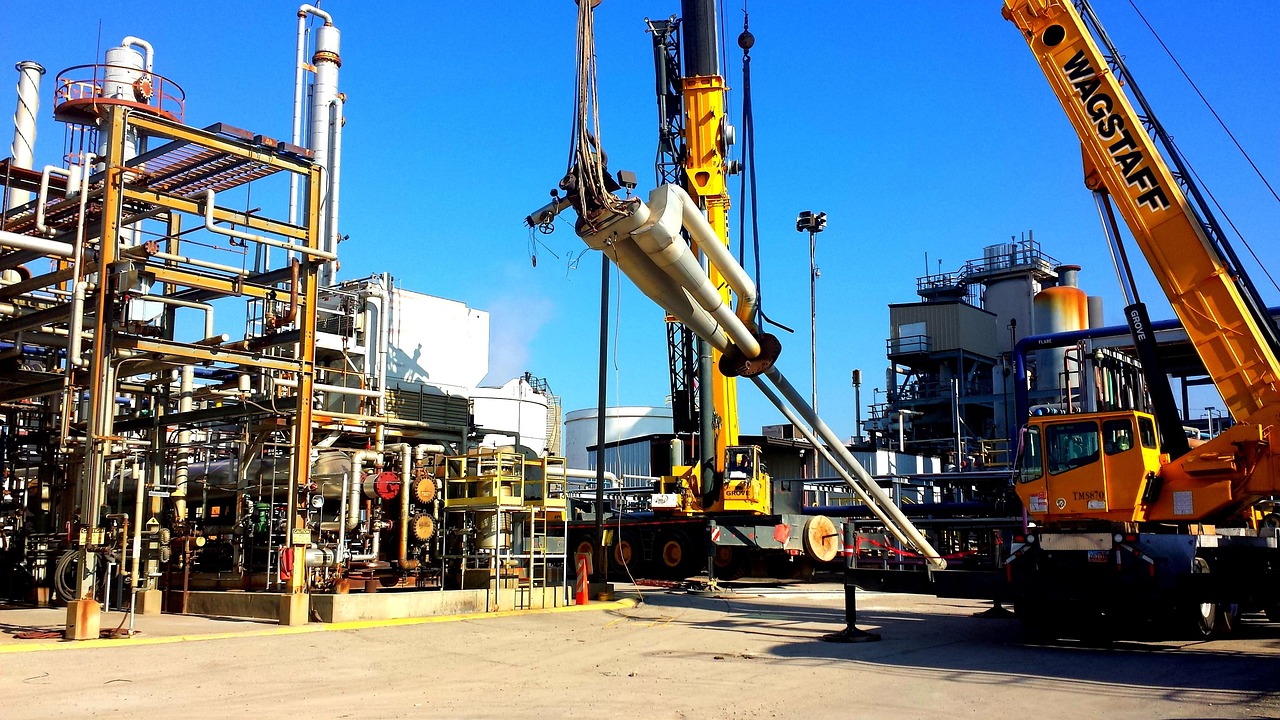
Oil prices were little changed in Asian trading on Tuesday after posting gains of more than 1% in the previous session, as investors weighed escalating tensions between the United States and Iran alongside fresh threats to Middle East oil shipments.
Brent crude futures for September slipped 0.3% to $88.96 per barrel, while U.S. West Texas Intermediate (WTI) crude traded nearly unchanged at $82.53 per barrel. Both benchmarks finished Monday's session higher after volatile trading driven by geopolitical uncertainty.
Market sentiment remains cautious as traders avoid taking aggressive positions while monitoring rapidly changing developments in the Middle East. Earlier reports suggesting a possible ceasefire proposal between Washington and Tehran briefly pressured oil prices. However, crude quickly recovered after Yemen's Iran-backed Houthi movement announced a maritime blockade targeting Saudi Arabia.
The blockade has raised concerns over shipping through the Bab al-Mandeb Strait, a strategic waterway connecting the Red Sea and the Gulf of Aden. The route handles around 12% of global trade and serves as a key transit point for international oil shipments. Any prolonged disruption could force oil tankers to reroute around southern Africa, increasing transportation costs and extending delivery times.
Meanwhile, military tensions continue to intensify. U.S. forces have expanded strikes on Iranian military targets, while Tehran has reportedly launched attacks against U.S. allies in the region. Although Iranian officials have indicated that diplomatic communication remains ongoing, energy markets are focused on the growing risk of broader regional instability affecting oil supplies.
Analysts noted that geopolitical risks continue to provide strong support for crude prices. However, gains have been limited by expectations that previous Middle East conflicts ultimately failed to cause lasting disruptions to global oil production or exports.
Investors are also awaiting fresh supply and demand data. The American Petroleum Institute is scheduled to release its weekly U.S. crude inventory report later Tuesday, followed by official figures from the U.S. Energy Information Administration on Wednesday. The reports are expected to offer additional insight into fuel demand and inventory trends in the world's largest oil-consuming nation.







