


 China’s ‘Lipstick King’ Says AI Won’t Replace Livestream Hosts
  U.S. 10-Year Treasury Yield Hits 2007 High as Fed Rate Hike Bets Rise
  Gold Drops Over 1% as Dollar, Treasury Yields Surge on Fed Rate Hike Bets
  Japan Private-Sector Growth Slows as Domestic Demand Weakens
  US Dollar Hits Two-Month High as Fed Rate Hike Bets Rise
  RBI Uses $10 Billion Currency Swaps to Drain Excess Rupee Liquidity
  Russian Envoy Dmitriev Heads to US for Ukraine Talks
  Dollar Hits Two-Month High as Fed Rate Hike Bets Rise
  Fed Unveils Stablecoin Rules Under GENIUS Act
  Wall Street Falls as Treasury Yields Surge, Oil Rebounds on Iran Tensions
  Wall Street Ends Flat as Oil, Treasury Yields and Fed Jitters Rattle Markets
  US 10-Year Treasury Yield at 6% Emerges as New Market Risk Threshold
  European Stocks Slip as Iran Tensions Offset Strong Eurozone Data
  Oil Prices Jump 3% as Houthi Attack Revives Supply Fears
  Trump, Xi Focus on Trade and AI at White House Summit
  Asian Stocks Fall as Bond Yields Surge Ahead of Trump-Xi Summit


 Add as a preferred source on Google
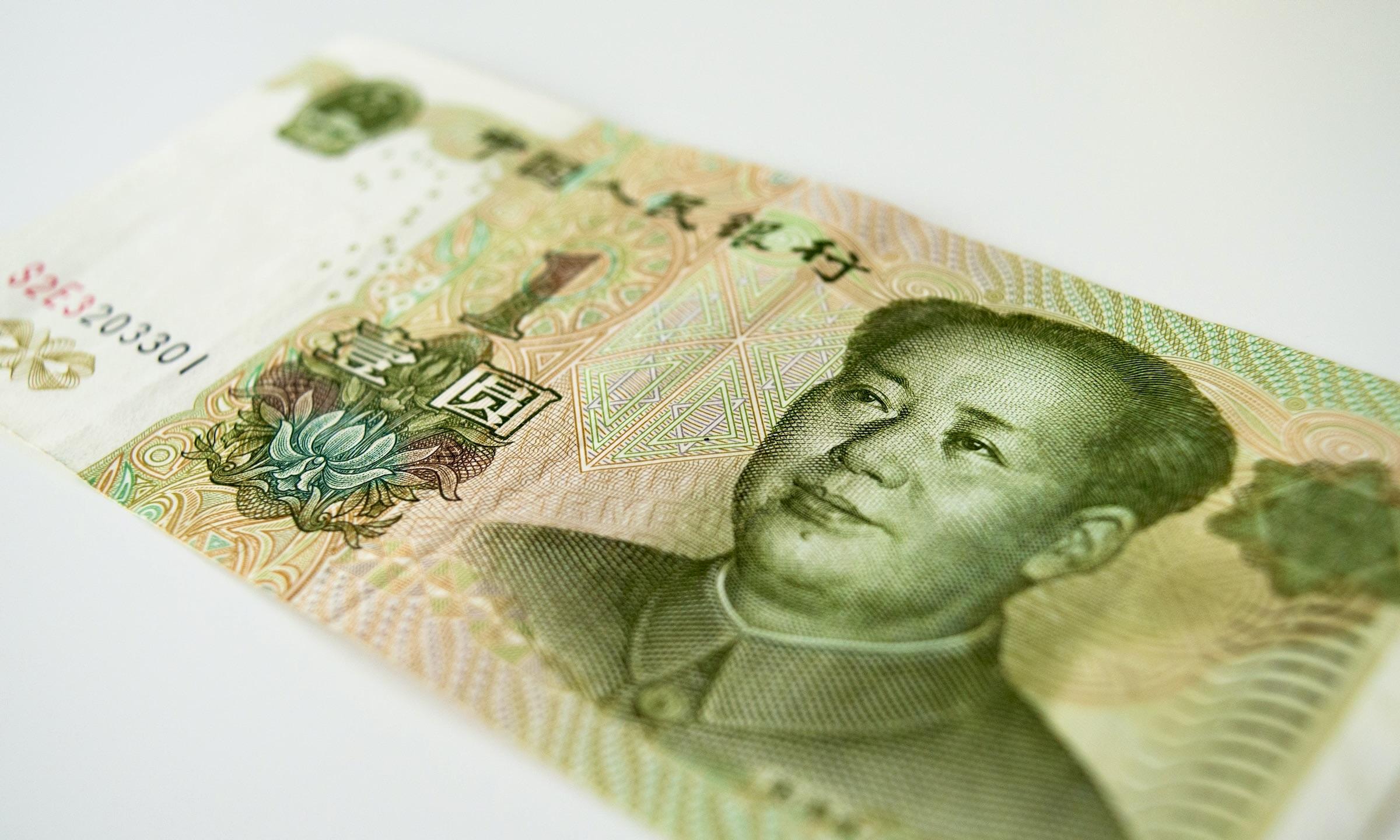
Asian currencies traded in a narrow range on Tuesday as investors remained cautious over escalating conflict in the Middle East, supporting the U.S. dollar while rising oil prices pressured currencies across the region’s energy-importing economies.
The U.S. Dollar Index hovered near 100.99, its strongest level since July 15, as markets balanced concerns over the expanding U.S.-Iran conflict with lingering hopes for a diplomatic solution. Demand for the safe-haven dollar strengthened after U.S. Central Command confirmed a ninth straight night of strikes on Iranian military targets, while Yemen’s Iran-backed Houthis announced a naval blockade on Saudi Arabia, raising fears of disruptions to global energy supplies.
Higher crude oil prices remain a challenge for many Asian economies that rely heavily on imported energy. Rising fuel costs can widen trade deficits, increase inflation, and reduce foreign investment, placing additional pressure on regional currencies. Commodity exporters such as Malaysia are expected to be less affected due to stronger export revenues.
The Japanese yen remained near multi-decade lows, with USD/JPY trading around 162.5 as elevated U.S. Treasury yields continued to favor the dollar. Investors remain concerned that persistent energy-driven inflation could keep the Federal Reserve cautious on interest-rate cuts.
China’s yuan was little changed after Beijing kept its benchmark lending rates unchanged, reinforcing expectations that policymakers will rely on targeted fiscal measures rather than broad monetary stimulus to support economic growth.
South Korea’s won outperformed many regional peers as investors welcomed the country’s recent foreign-exchange liberalization measures. Analysts said easing capital outflow concerns and improving economic fundamentals have strengthened sentiment toward the currency.
Meanwhile, the New Zealand dollar advanced after second-quarter inflation accelerated to 4.1%, exceeding market expectations and increasing the likelihood of an interest rate hike by the Reserve Bank of New Zealand in September.
Elsewhere, the Thai baht, Indian rupee, Indonesian rupiah, and Philippine peso remained under pressure as elevated oil prices weighed on market sentiment. Investors are now watching the Bank Indonesia policy meeting, South Korea’s GDP report, Australia’s employment data, Singapore’s inflation figures, and next week’s Federal Reserve meeting for further direction on Asian currencies and the U.S. dollar.







