


 Asia Stocks Rise on AI Demand as Oil Eases
  Canada Unveils Bill to Fast-Track Major Resource Projects
  RBA Says ASX Still Falls Short on Governance and Risk Controls
  Trump Administration Prepares Sanctions Against Entire ICC
  Scott Bessent Eyed as Trump’s New AI Czar
  Russian Strikes Kill Eight Across Ukraine as Energy Sites Hit
  Macron, Trump Discuss Ukraine-Russia Energy Strike Moratorium
  Vietnam, US Trade Deal Could Be Signed Soon, To Lam Says
  UK Home Asking Prices Rise for First Time Since May
  Europe Jet Fuel Deficit Drives South Korean Imports to Four-Year High
  Gold Prices Rise as Oil Slump Eases Fed Rate Hike Fears
  Carney Condemns Belleville Synagogue Shooting That Wounded Police Officer
  European Stocks Slip as Iran Tensions Offset Strong Eurozone Data
  Lula Meets Mamdani in New York as Elections Approach
  Asian Currencies Muted as Dollar Firms Ahead of Trump-Xi Summit


 Add as a preferred source on Google
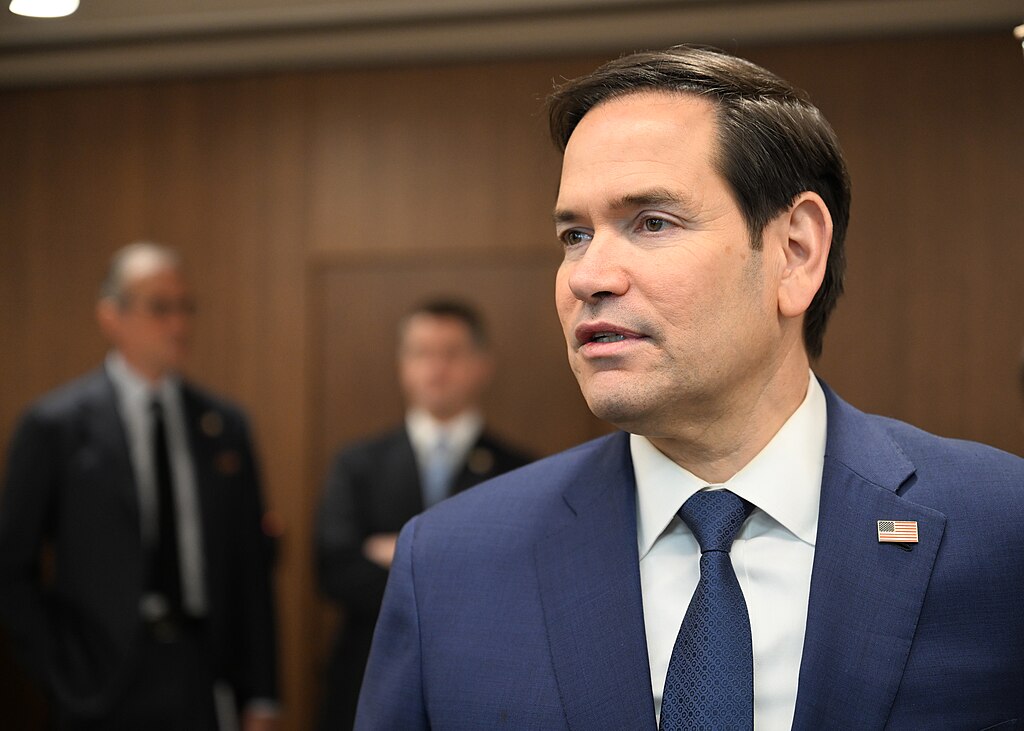
The escalating Middle East conflict dominated discussions at the ASEAN foreign ministers’ meeting in Manila on Tuesday, as leaders warned that renewed fighting could threaten global energy supplies, fuel inflation, and weigh on economic growth across Southeast Asia.
Foreign ministers from the 11-member Association of Southeast Asian Nations (ASEAN) and key global partners expressed deep concern over the worsening hostilities following the renewed conflict between the United States and Iran. The situation has become more volatile after Yemen’s Iran-backed Houthi movement announced a naval blockade on Saudi Arabia, raising fears of disruptions to shipping routes and oil exports through the Strait of Hormuz.
In a joint statement, ASEAN ministers said the latest developments undermine diplomatic efforts and reduce hopes for a peaceful resolution through dialogue. The bloc, whose combined economy is valued at roughly $3.8 trillion, remains particularly vulnerable to higher energy costs because many member states rely heavily on imported oil. To reduce potential supply shocks, ASEAN is accelerating plans for a regional oil-sharing mechanism.
Beyond the Middle East, ministers also turned their attention to Myanmar’s ongoing civil war, where ASEAN’s long-running peace initiative has struggled to produce results nearly five years after the military coup. The conflict has reportedly claimed around 100,000 lives, adding to the bloc’s growing security challenges.
Tensions in the South China Sea also featured prominently ahead of an expected meeting between Philippine Foreign Affairs Secretary Maria Theresa Lazaro and Chinese Foreign Minister Wang Yi. The diplomatic atmosphere worsened after the Philippines accused China’s Coast Guard of assaulting a Philippine sailor near the disputed Second Thomas Shoal, prompting protests from both governments.
China insisted ASEAN should not be used to address bilateral maritime disputes, while the U.S. State Department condemned what it described as China’s aggressive actions against Philippine maritime operations.
U.S. Secretary of State Marco Rubio, attending the ASEAN meetings, reaffirmed Washington’s commitment to freedom of navigation in the South China Sea. He also reiterated U.S. support for the 2016 international arbitration ruling that rejected China’s sweeping territorial claims, despite Beijing’s continued refusal to recognize the decision.







