


 Trump Says ‘Freedom’ Is Coming to Cuba
  Burnham Eyes UK Leadership Role in AI Ahead of Trump Meeting
  Oil Prices Extend Losses as U.S.-Iran Talks Ease Supply Fears
  Trump Scales Back Endangered Species Act Protections
  US-China Talks Target AI, Tariffs Ahead of Trump-Xi Summit
  European Stocks Slip as Iran Tensions Offset Strong Eurozone Data
  South Korea to Brief Lawmakers on $350 Billion US Investment Package
  Oil Prices Rise as U.S.-Iran Talks Fuel Diplomacy Hopes
  Asia Stocks Rise on AI Demand as Oil Eases
  Canada Unveils Bill to Fast-Track Major Resource Projects
  Europe Jet Fuel Deficit Drives South Korean Imports to Four-Year High
  Trump Board of Peace Unveils $2.45 Billion Gaza Recovery Plan
  US, Japan and South Korea Back Taiwan Ahead of Trump-Xi Summit
  Kremlin Says No Grounds Yet for Ukraine Peace Talks
  Lula Meets Mamdani in New York as Elections Approach
  Dollar Hits Two-Month High as Fed Rate Hike Bets Rise
  Yen in Focus as BOJ, Fed Rate Hikes Reshape Currency Markets


 Add as a preferred source on Google
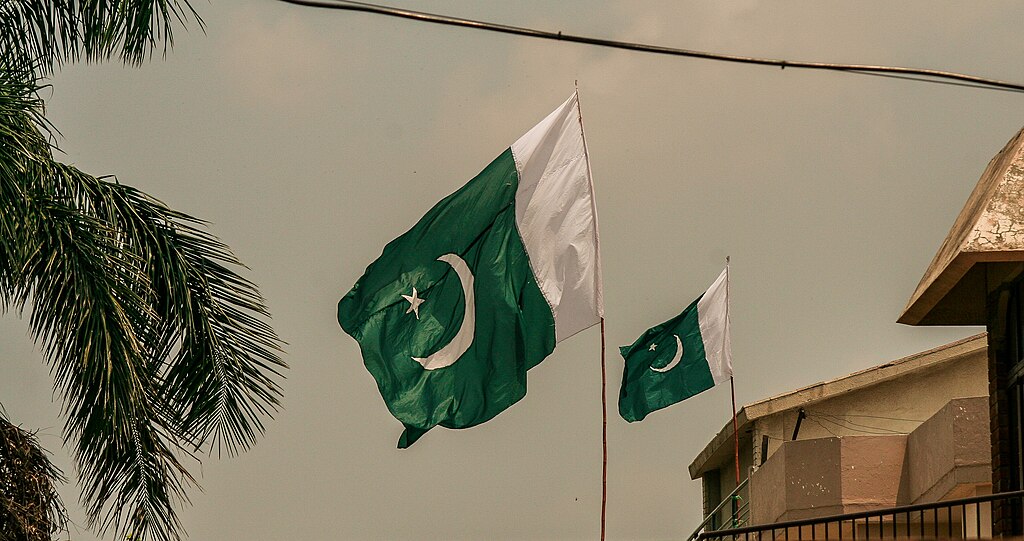
Pakistan has asked the United States for a $10 billion exchange stabilization facility to strengthen its foreign exchange reserves and reduce pressure on the Pakistani rupee, according to a Reuters report citing a source familiar with the matter.
The request comes after Pakistan played a role in facilitating talks related to the Iran conflict, a move that reportedly enhanced its diplomatic standing with Washington.
Reuters said Islamabad submitted the proposal to U.S. Treasury Secretary Scott Bessent, requesting the creation of a Bilateral Exchange Stabilization Support Facility worth $10 billion with a maturity of up to five years. Pakistani officials believe the funding would help stabilize the country’s external finances, ease pressure on the local currency, and reduce dependence on multilateral lenders.
The request comes as Pakistan continues implementing fiscal and monetary reforms under its International Monetary Fund (IMF) program. The country narrowly avoided a sovereign default in 2023 after securing a $3 billion IMF standby arrangement. It later received a $7 billion Extended Fund Facility, along with an additional $1.3 billion loan aimed at improving resilience against climate change and natural disasters.
Despite these financial packages, Pakistan’s foreign exchange reserves remain heavily dependent on official financing, loan rollovers, and deposits from key allies, including China and Saudi Arabia. This reliance leaves the country exposed to shifts in bilateral support and potential delays in IMF funding.
In April, Pakistan repaid approximately $3.5 billion—equivalent to about one-fifth of its foreign exchange reserves—to the United Arab Emirates. Saudi Arabia also extended fresh financial support totaling $3 billion during the same period, helping the country manage its external financing obligations.
If approved, the proposed U.S. exchange stabilization facility could provide Pakistan with greater financial flexibility, strengthen investor confidence, and improve its ability to manage external economic risks while supporting long-term currency stability.







